Ford’s set a troubling record this year that every car owner should have on their…
19 October, 2026
0 Comments
1 category
Ford no longer takes orders for the battery-electric F-150 Lightning, so in late 2026 you can only buy one from remaining dealer stock or on the used market. Ford is still supporting the trucks already on the road. It is also developing a next-generation Lightning built on extended-range electric (EREV) technology, and it has not announced when that truck will go on sale.
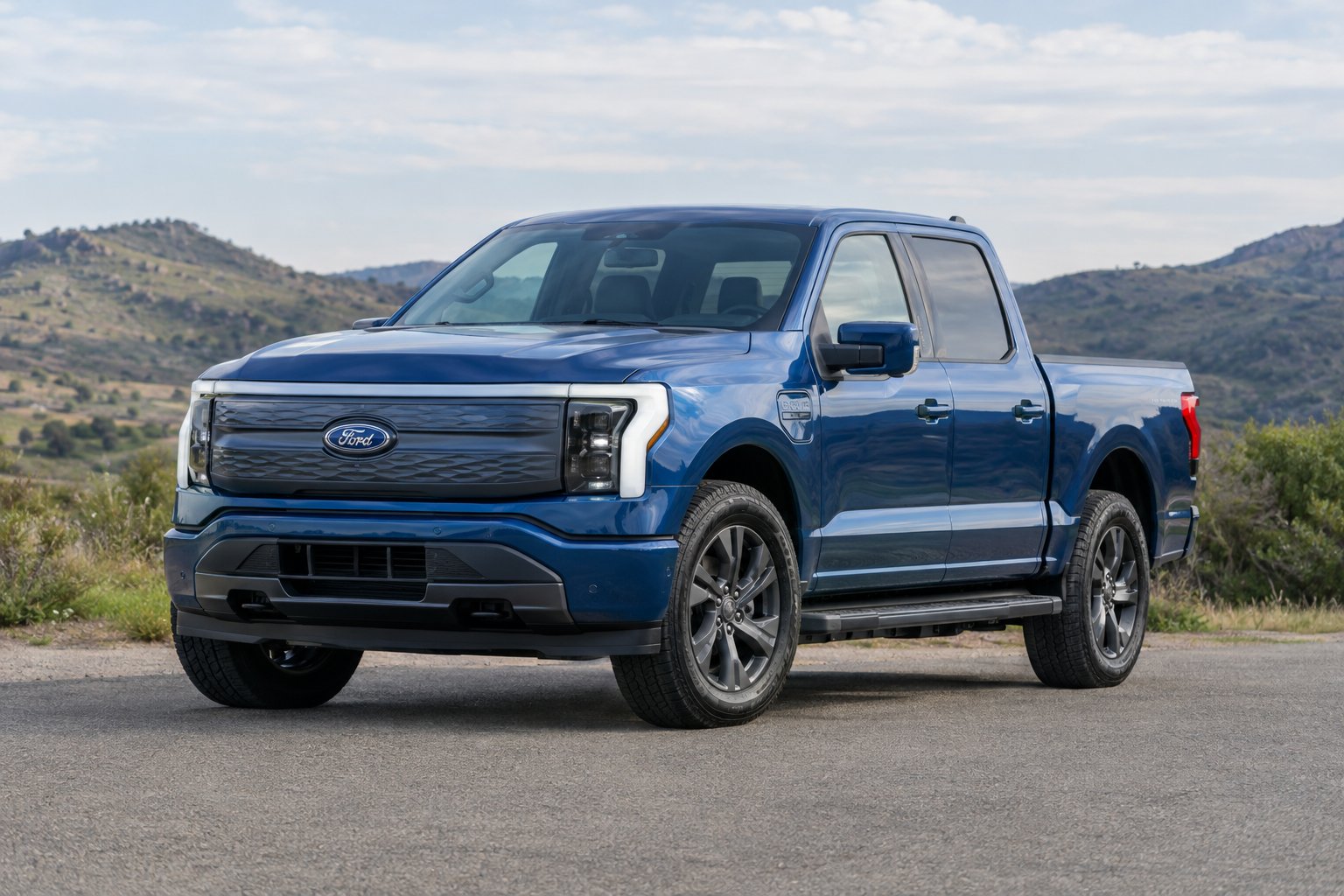
That puts shoppers in an odd spot. The F-150 Lightning you can buy today is a proven, fully electric truck with strong towing and onboard power. The version Ford is promoting is a different machine that still has no release date. If you know what the current truck does well, and what it asks of you as an owner, you can decide whether to buy now or wait.
Can You Still Buy a Battery-Electric F-150 Lightning?
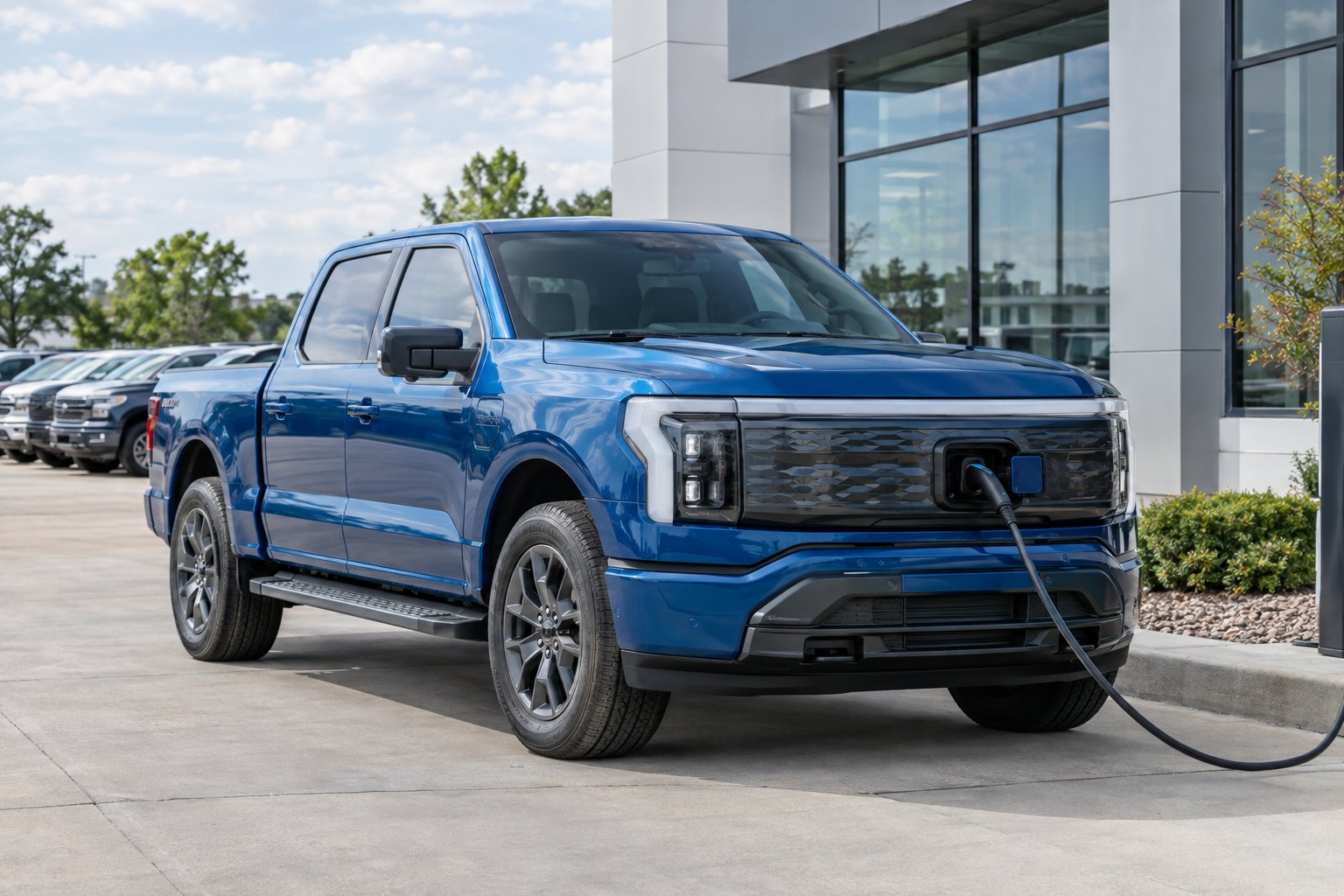
Yes, but only trucks that were already built. Ford ended production of the current model and stopped taking new orders. It has also said it will keep supporting owners and the trucks already on the road.
What Has Ford Said About New Orders?
Ford states the current truck “will no longer be available to order in its current form.” The company has also said it is transforming the Lightning as part of its Universal Electric Vehicle platform. In its December 2025 announcement of the next-generation truck, Ford said that production of the current F-150 Lightning would end that year.
For you as a shopper, the options are now limited to two:
- New, unsold inventory. Some dealers may still have 2025 model-year trucks on the lot. Selection by trim and battery will be thin and will vary by region.
- Used trucks. The 2022 through 2025 model years are on the used market. Equipment differs a lot by year, so check the window sticker or VIN build sheet before you compare prices.
You cannot place a factory order or choose a custom build. Whatever is in stock is what you can buy.
Are Existing Trucks Still Supported?
Ford says its support for existing owners “remains fully unchanged.” In practice, warranty coverage, dealer service, and roadside programs stay tied to each truck’s original warranty start date. The end of production does not shorten them.
Ford’s roadside program for the Lightning runs five years or 60,000 miles from the warranty start date, and you can extend it after that. If you run out of charge, Ford will tow the truck to your home, a public charger, or a Ford dealer within 50 miles. Beyond 50 miles, it goes to the closest public charger or EV-certified dealer.
When you buy used, ask the seller for the warranty start date. Every remaining coverage clock is measured from that date, not from the day you buy the truck.
What Can the Current Truck Do?
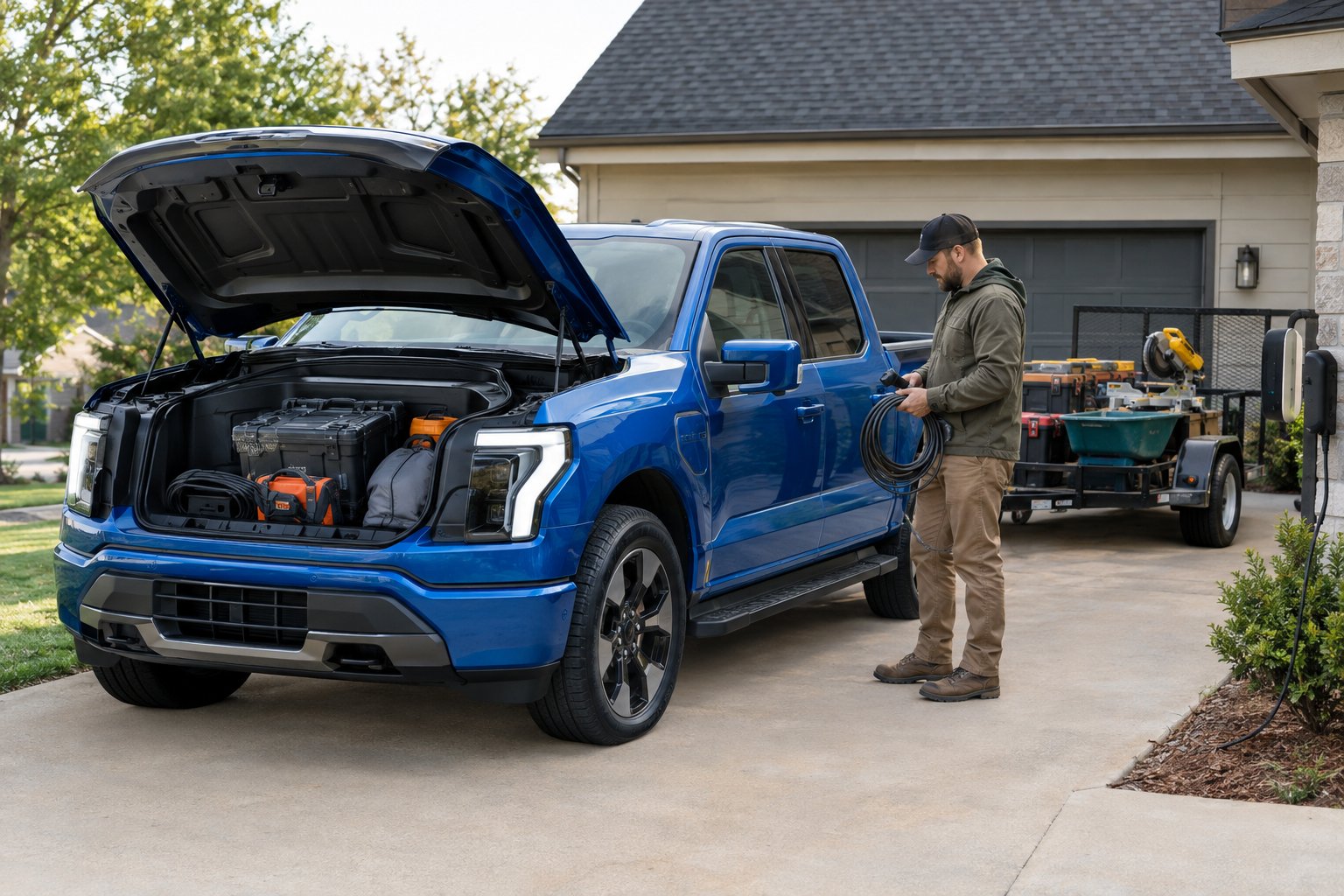
The current Lightning pairs dual electric motors with one of three battery sizes. With the right options it reaches 60 mph in about 4 seconds, tows up to 10,000 pounds, and can export up to 9.6 kW of power. Your truck’s battery, trim, and model year decide which of those numbers apply to you.
How Do Range and Performance Vary by Battery and Trim?
Ford offered a 98 kWh standard-range battery and two extended-range packs, rated at 123 kWh and 131 kWh. The company notes that capacity varies by model and year. Ford’s own data shows the 2025 truck with the 123 kWh pack reaching 0-60 mph in 4 seconds. The 131 kWh version runs just under 4 seconds.
| Battery | Usable capacity | 2025 DC fast charge (15–80%) | 2025 Level 2, 30A cord (0–100%) |
|---|---|---|---|
| Standard range | 98 kWh | ~32 minutes | ~18 hours |
| Extended range | 123 kWh | ~38 minutes | ~20 hours |
| Extended range | 131 kWh | ~38 minutes | ~23 hours |
Range figures change by model year and trim, so check the EPA label for the exact truck you are looking at. Do not rely on a generic number.
Every Lightning includes Intelligent Range. This feature adjusts the range estimate based on your past driving, the weather, your speed, the terrain, and the load. If conditions cut your range at the start of a trip, the cluster shows a new estimate and explains what changed.
What Should Buyers Know About Towing, Payload, and Onboard Power?
The 10,000-pound tow rating applies only to Pro, Flash, and Lariat trucks with both the extended-range battery and the max trailer tow package. A standard-range truck, or one without that package, is rated lower. Confirm the rating for the specific VIN before you hook up a camper. Payload also changes with configuration, so read the sticker on the driver’s door jamb.
Towing uses a lot of energy. Plan on far less range with a heavy trailer than you get from the empty-truck estimate. Intelligent Range helps by factoring in the trailer and, on trucks that have them, the onboard scales.
Pro Power Onboard is one of the most useful features on the truck:
- 2.4 kW (standard): enough for phones, laptops, and most corded power tools. That 2.4 kW is also what feeds the four outlets and two USB ports in the Mega Power Frunk.
- 9.6 kW (optional, standard on Platinum): adds a 240V outlet and allows Level 2 charging of another EV. You need the Mobile Power Cord and a NEMA L14-30P to 14-50R adapter to do this.
Home backup power requires a properly equipped house with a transfer switch. Ford bases its backup estimates on 30 kWh of use per day with the extended-range battery, so your results will depend on how much power your home uses.
How Practical Is Charging?
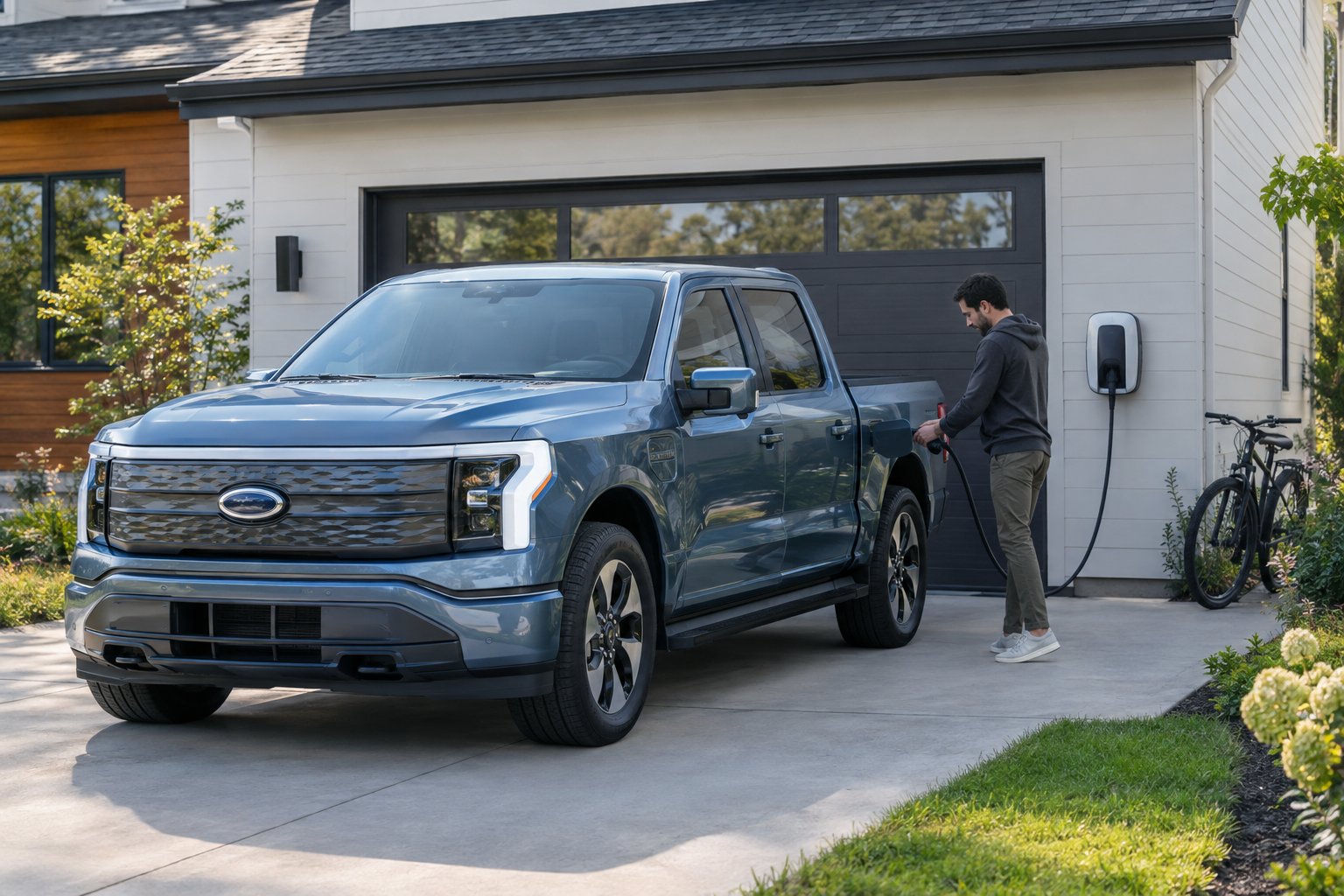
Charging is easy if you can install a 240V charger at home. It takes more planning if you depend on public stations, especially when you tow. The batteries are large, so slow charging takes a long time.
What Are the Home and Public Charging Options?
Two limits set your home charging speed: the truck’s onboard charger and your equipment. Ford lists these onboard charger ratings:
- 2022–2023 Extended Range: 80A (19.2 kW)
- 2022–2023 Standard Range: 48A (11.3 kW)
- 2024–2025, both batteries: 48A (11.3 kW)
On the equipment side, the Ford Mobile Power Cord delivers 7.2 kW on a 240V outlet. The Ford Connected Charge Station delivers up to 11.5 kW. A standard 120V outlet adds only about 2 miles of range per hour, which works as a backup and not much else.
Have a licensed electrician check your panel before the truck arrives. Permits and installation take time. For daily use, Ford recommends setting a 90% charge limit and charging to 100% only before long trips.
For public charging, Ford’s BlueOval Charge Network lets you start and pay for sessions on several networks through the Ford app. A Ford-branded fast charging adapter also gives you access to NACS stations, including Tesla Superchargers. Ford warns owners to use only adapters sold or provided by Ford or Tesla at Tesla Superchargers. Damage caused by other adapters may not be covered by the warranty.
How Do Road Trips Change with Speed, Weather, and Charger Availability?
Road trips work best when you plan your stops around fast chargers rated at 150 kW or more. Ford’s 15% to 80% times assume that kind of charger. Slower stations take longer, and charging slows down as the battery nears full.
Three conditions shorten the distance between stops:
- Highway speed: a full-size pickup’s shape pushes a lot of air at 75 mph.
- Cold weather: heating the cabin and the battery uses energy.
- Towing: a trailer can cut your range by a large share, and many charging stalls require you to unhitch.
Owner reports on towing range vary widely depending on the trailer and the route. Treat any single example you read as one data point. Before a trip, check that the chargers on your route are working, and keep a backup stop in mind.
What Should Buyers Check Before Purchasing?
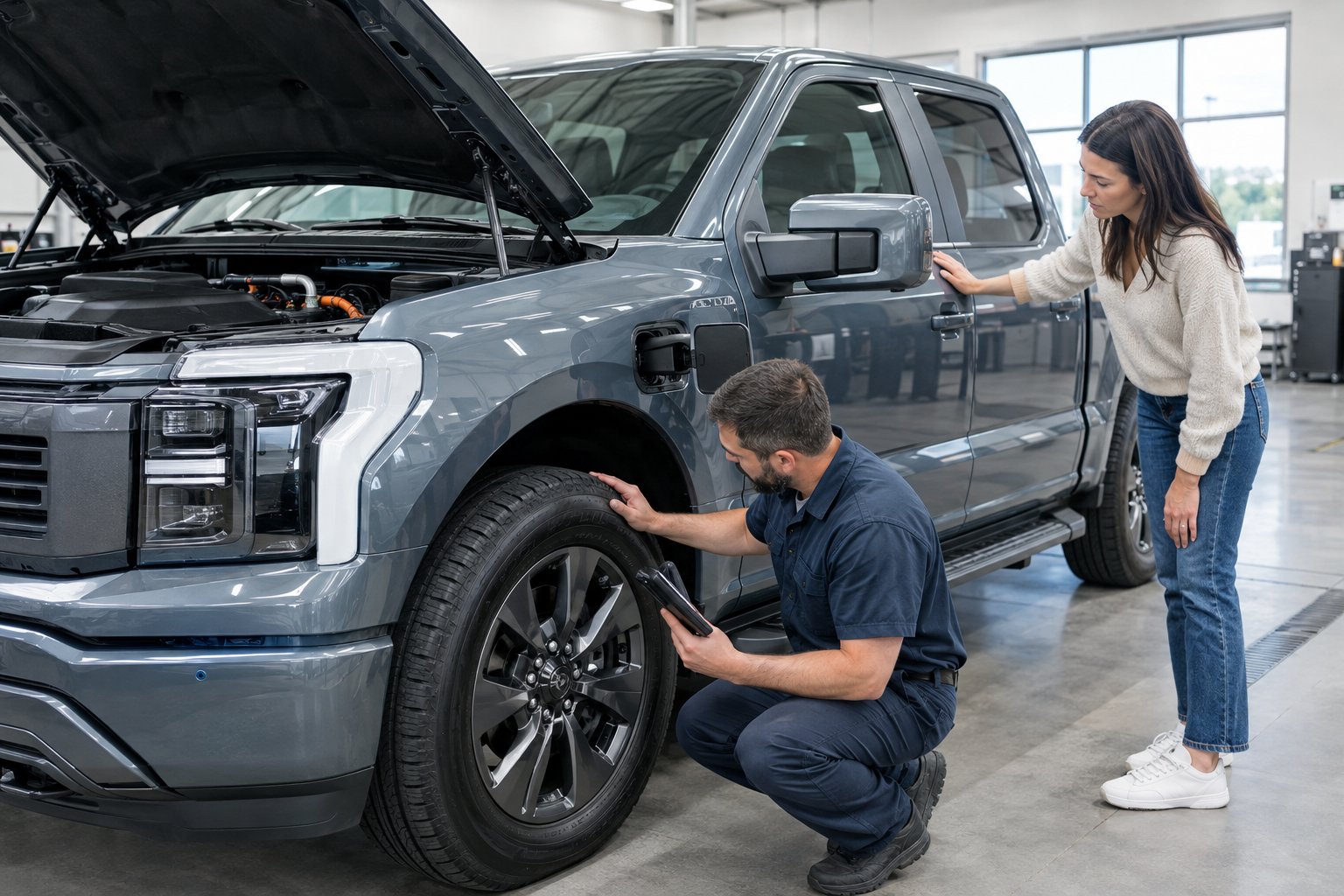
Before you buy, confirm the truck’s model year, battery, trim, and tow package, and find out how much warranty time remains. These factors affect charging speed, towing, and long-term protection more than the asking price does.
How Do Price and Features Differ Across Available Trucks?
Prices for leftover new trucks and used trucks change with local inventory. Compare trucks by their equipment first, and then by price. The trims differ in a few clear ways:
| Feature | Pro | Flash / Lariat | Platinum |
|---|---|---|---|
| 10,000-lb tow (with ER battery + max tow pkg) | Yes | Yes | Not listed |
| SYNC 4A, 15.5-inch screen | No | Yes | Yes |
| 9.6 kW Pro Power Onboard | Optional | Optional | Standard |
| Phone As A Key | Available on select trucks | Available on select trucks | Available on select trucks |
Model year also makes a difference. A 2022 or 2023 Extended Range truck can accept up to 19.2 kW on Level 2, while later trucks top out at 11.3 kW. That matters only if your home charger delivers more than 11.5 kW.
On a used truck, ask whether the Mobile Power Cord comes with it. Ford sold the cord as an option, not as standard equipment. Also check the charge port and frunk seals, and ask for the service history.
What Does Ford’s Battery Warranty Cover?
The high-voltage battery and EV components are covered for 8 years or 100,000 miles, whichever comes first, from the original warranty start date. The warranty covers repair or replacement for defects in materials or workmanship. It also applies if the battery’s capacity drops below 70% of the original during that period.
Other coverage, as published on Ford’s Lightning page:
- Bumper-to-bumper: 3 years/36,000 miles
- Powertrain: 5 years/60,000 miles
- Safety restraints: 5 years/60,000 miles
- Corrosion (perforation only): 5 years/unlimited miles
The battery warranty does not cover damage from improper use, unauthorized modifications, accidents, or exposure to extreme conditions. A 2022 truck bought in late 2026 may have used up most of its bumper-to-bumper coverage while still having years of battery coverage left.
What Is Next for the Lightning Name?
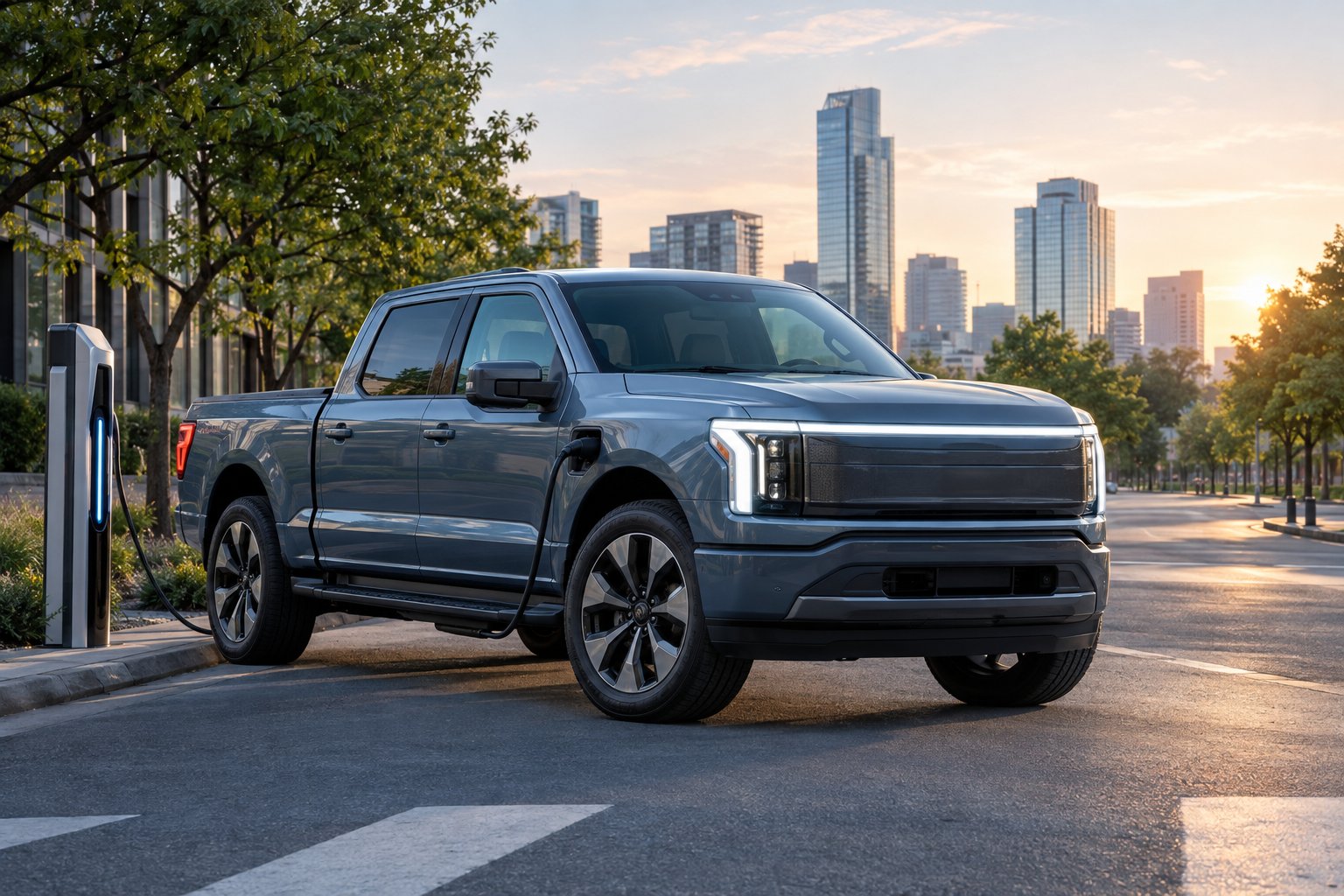
Ford plans to use the Lightning name on an extended-range electric truck that carries an onboard generator. It is a different design from the all-electric truck now in dealer lots, and it has no announced launch date.
How Will the Planned EREV Differ from the Battery-Electric Truck?
Ford says electric motors will drive the next-generation truck 100% of the time. A gas generator will recharge the battery, giving an estimated range of more than 700 miles. The goal is to let owners tow over long distances without stopping to charge. Ford also says the new truck will keep exportable power for job sites, camping, and home backup.
Keep in mind what this means. The 700-mile figure is Ford’s estimate for a truck that is still in development. Because it uses fuel, the EREV will not be a fully electric replacement. Ford says the truck will be assembled at the Rouge Electric Vehicle Center in Dearborn. It has not released battery size, tow ratings, or pricing.
Has Ford Announced a Release Date?
No. Ford says it is “not yet prepared to announce specific availability dates” and will share launch timing at a later date. Any release window you see from dealers or forums is a projection, not a Ford announcement.
Choosing Between Today’s Truck and the Next Generation
Buy a current Lightning if you can charge at home, your daily driving fits within one charge, and you value quiet power and onboard outlets. The truck is proven, and Ford’s battery coverage runs 8 years or 100,000 miles from the warranty start date. Owner support continues even though production has ended.
Waiting makes more sense if you tow heavy trailers long distances on a regular basis, or if you have no reliable place to charge. The EREV is designed for exactly those needs. You would be waiting for a truck with no published specs or date.
If you buy now, focus on these points:
- Choose an extended-range battery with the max trailer tow package if you plan to tow near 10,000 pounds.
- Pick the 9.6 kW Pro Power option if you want 240V tools or home backup power.
- Confirm the warranty start date and whether the Mobile Power Cord is included.
- Have a 240V home charger installed before you take delivery.
Category: Vehicle Reviews
Related Posts
Toyota Grand Highlander Hybrid Problems: What to Watch
Thinking about a Toyota Grand Highlander Hybrid? Or maybe you…
Best Electric Vehicles of 2026 for Every Budget and Need
For most U.S. shoppers, the 2026 Hyundai Ioniq 5 is…
Toyota Grand Highlander Hybrid Trim and Feature Guide
If you're hunting for a three-row hybrid SUV that actually…