If you’re digging into 2025 Chevy Silverado problems, you’re definitely not alone. More and more…
25 April, 2026
0 Comments
1 category
So, you’re eyeing a used 2015 Chevy Silverado? Makes sense. It’s got that classic V8 punch, a cushy cabin, and can tow a ton—literally. But, yeah, there are some things you’ll want to keep an eye out for.
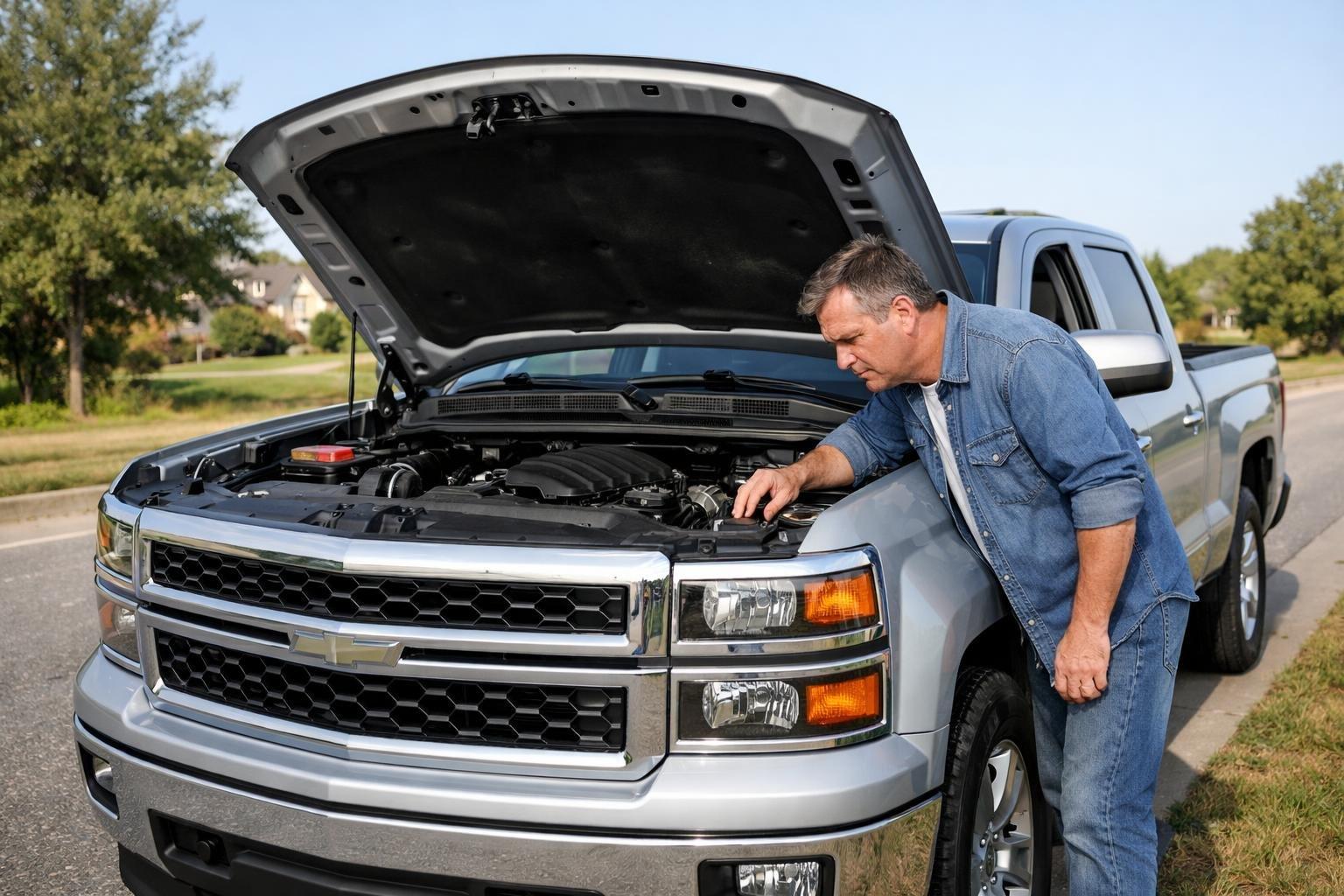
The 2015 Chevrolet Silverado 1500 has a pretty well-known list of issues. Engine, transmission, brake, steering, and electrical complaints show up over and over in owner reports. If you know what to look for and what it might cost, you can dodge a lot of expensive headaches.
This guide breaks down each main problem area. Whether you’re already driving one or just thinking about it, the details here should help you make a smarter call.
Most Reported Trouble Spots
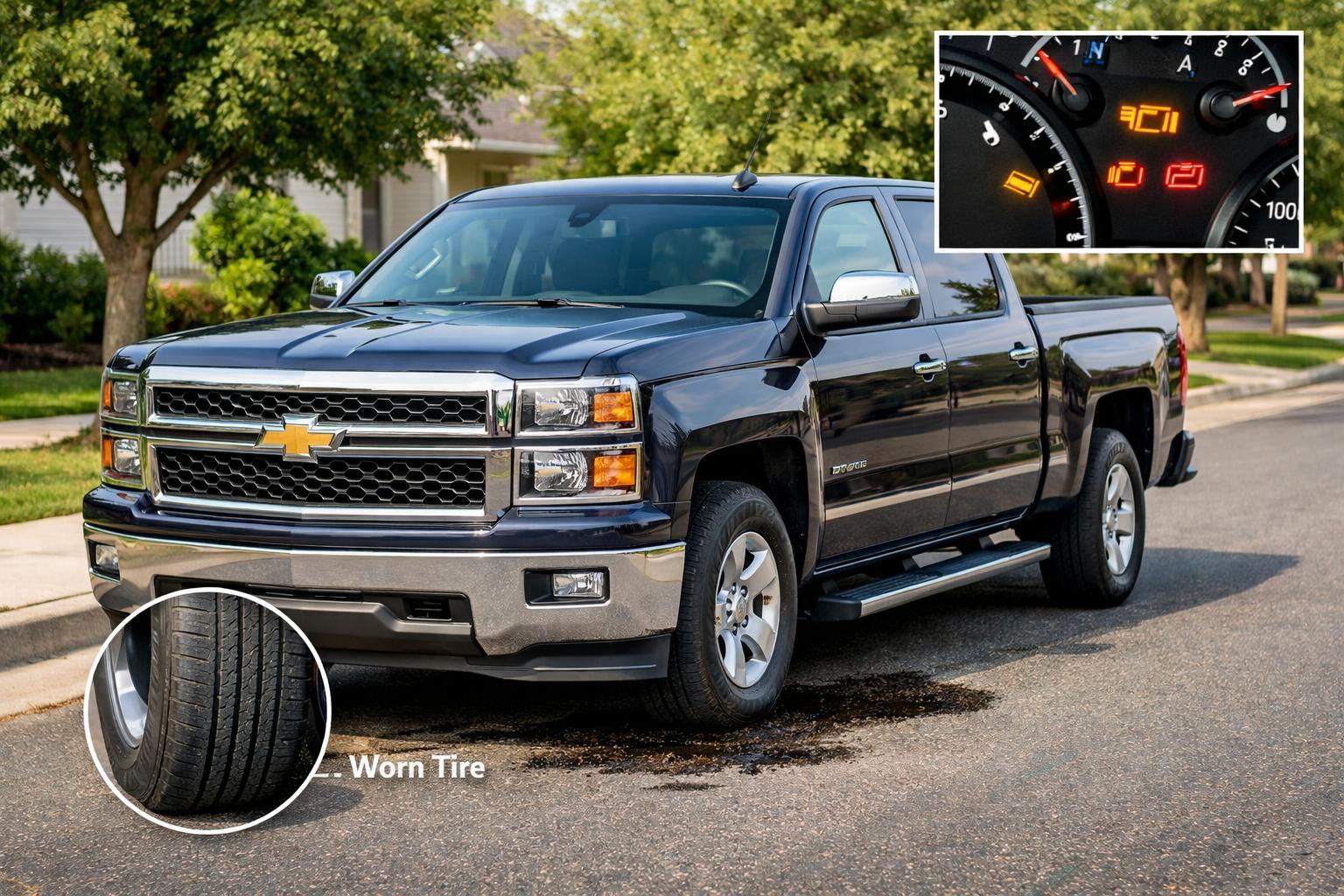
Owner complaints really zero in on a few trouble spots for the 2015 Silverado 1500. Engine and cooling issues are at the top, then come transmission, brakes, steering, and electrical gremlins.
Which Problems Show Up Most Often in Owner Reports
Here’s how the top five problem areas stack up, based on owner data:
| Category | Relative Frequency |
|---|---|
| Engine / Engine Cooling | Most reported |
| Transmission | Second most reported |
| Brakes | Third most reported |
| Steering | Fourth most reported |
| Electrical System | Fifth most reported |
Engine problems—especially lifter failures and burning oil on the 5.3L V8—are a big headache. Transmission shudder and rough shifts aren’t far behind.
Which Issues Tend to Be Most Expensive to Fix
Some of these issues are wallet-busters. Lifter failure and AFM-related engine damage can set you back $2,000 to $4,000, sometimes more if the camshaft gets chewed up. Transmission rebuilds or swaps are in that same ballpark.
Brake vacuum pump and A/C condenser repairs are cheaper, but you’re still looking at $500 to $1,200. Electrical stuff? Usually less per fix, but it can be maddening to track down.
How Complaint Trends Compare With Reliability Reports
NHTSA data and other reliability sources mostly agree on the Silverado’s trouble spots. Brakes and steering are big NHTSA concerns. On owner forums, transmission and A/C issues get a lot of attention. It’s not just bad luck—these are patterns you’ll want to plan for.
Engine Problems and Warning Signs
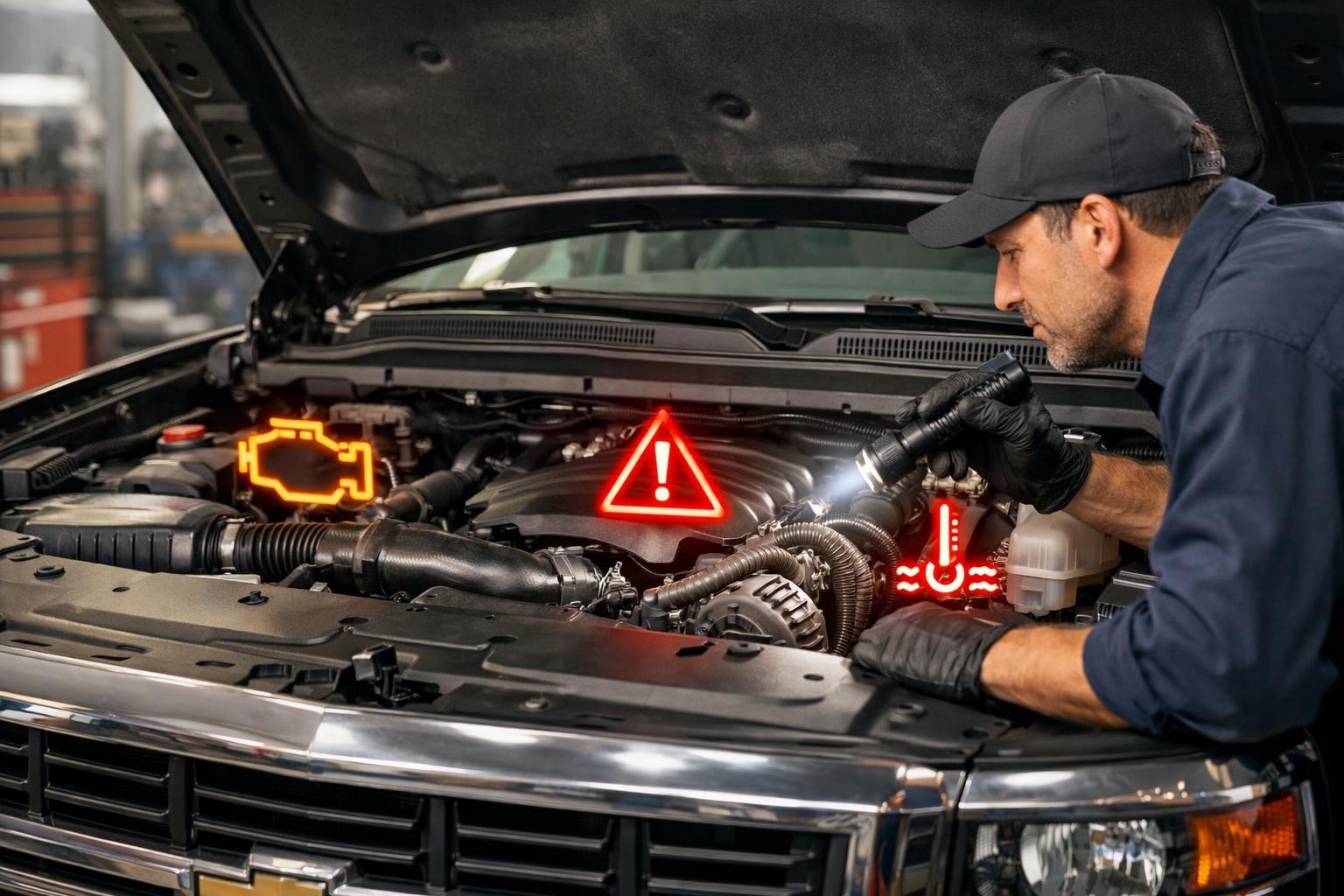
The 5.3L V8 in the 2015 Silverado 1500 is strong, but it’s got some recurring trouble spots. Lifter collapse, oil consumption, misfires, engine knock, and cooling system issues make up most of the complaints.
Lifter Failure and AFM-Related Damage
Active Fuel Management (AFM) is supposed to help with gas mileage, but on the 2015 Silverado, it’s a bit of a double-edged sword. AFM-related lifter failure is probably the most talked-about engine problem.
If a lifter collapses, you’ll usually hear a sharp ticking or knocking—especially at startup or when you’re on the gas. The check engine light can pop on with misfire codes. Ignore it, and you could end up replacing the camshaft too, which means a $1,500 fix just ballooned to $3,500 or more.
If you’re looking at a used truck, ask if the AFM system’s been deleted or if the lifters have already been swapped. Trucks with AFM delete kits usually don’t see this problem again.
Oil Leaks, Oil Consumption, and Low Oil Symptoms
Lots of 2015 Silverado owners complain about burning or losing oil between changes. It’s not weird to see a quart disappear every 1,000 to 2,000 miles on these engines.
Keep an eye out for blue smoke from the exhaust, low oil warnings, or oil spots under the truck. Valve cover and oil pan gasket leaks are also common. Regular oil checks are a must.
Engine Misfires, Engine Knock, and Rough Running
Misfires often come from worn spark plugs, carbon buildup, or those pesky lifters. If it idles rough or hesitates when you hit the gas, a fuel injector might be on its way out.
If you hear a pinging or knocking sound when accelerating, it could be carbon deposits or timing problems. A good diagnostic scan usually gets you pointed in the right direction.
Overheating and Cooling System Concerns
Overheating isn’t as common as lifter or oil issues, but it happens. Water pumps, radiator hoses, or thermostats are the usual suspects.
If the temp gauge climbs past halfway or you spot coolant puddles, don’t wait. Overheating this V8 can get expensive fast—think warped heads and big repair bills.
Transmission and Drivability Complaints
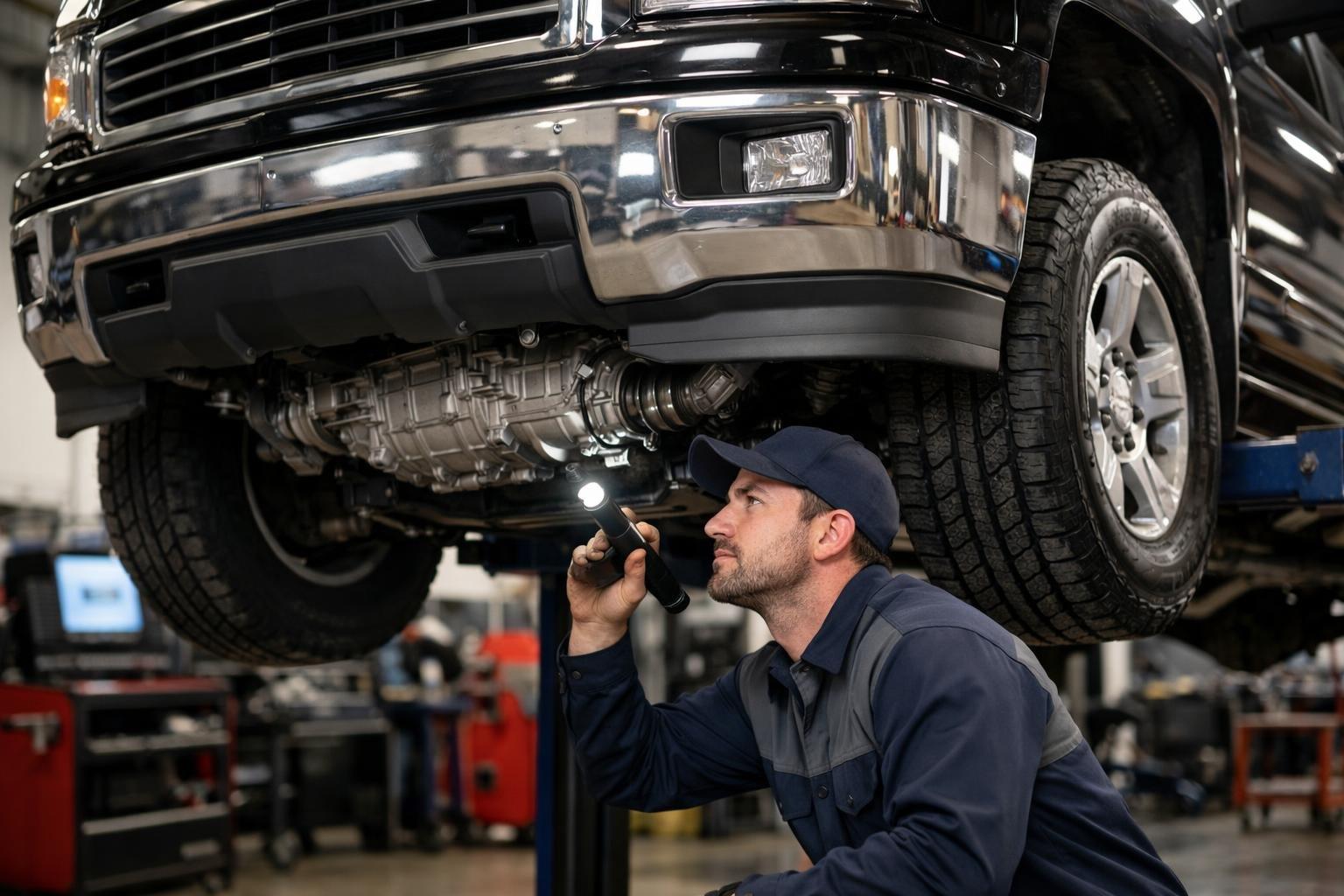
Transmission headaches are the second most common complaint for the 2015 Silverado. Both the 6-speed and 8-speed automatics have their issues, with hard shifts and torque converter shudder topping the list.
Hard Shifts, Shudder, and Gear Hunting
The most common symptom? A shudder or vibration—almost like you’re running over rumble strips—usually between 30 and 50 mph. That’s often the torque converter clutch wearing out.
Hard shifts, especially from 1st to 2nd and 2nd to 3rd, pop up a lot, too. Some folks mention the transmission “hunting” for gears on hills or at highway speeds. Sometimes a fluid flush helps, but if the torque converter is toast, it’ll need to be replaced.
When Vibration Points to Powertrain Trouble
Not every vibration is a transmission problem. Driveshaft balance, worn U-joints, or even engine misfires can feel similar.
If the vibration happens at certain speeds and goes away when you let off the gas, it might be the driveline. If it’s during gear changes, the transmission is more likely. Getting the right diagnosis is key—repair costs can be wildly different.
What Buyers Should Check on a Test Drive
On your test drive, pay extra attention to these:
- Acceleration from a stop: Any rough or delayed engagement in first gear?
- Light throttle at 35 to 50 mph: That’s prime torque converter shudder territory.
- Downshifts on hills: Listen for gear hunting or slow kickdown.
- Reverse engagement: A big clunk going into reverse isn’t a good sign.
If you notice any of this, you might be looking at $1,500 to $3,500 in transmission work down the line.
Brake, Steering, and Safety-Related Issues
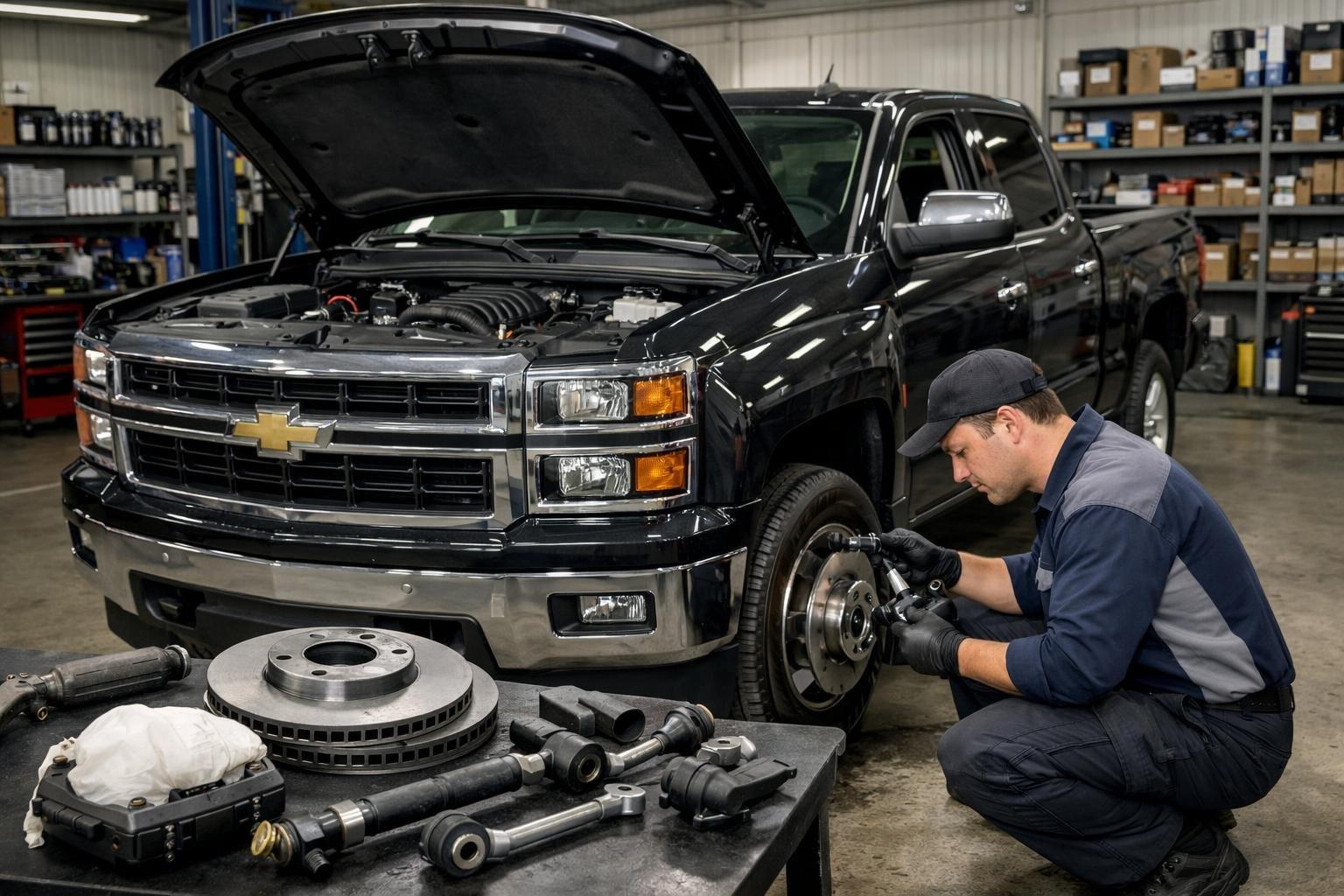
Brake and steering problems are among the top safety worries for the 2015 Silverado 1500. There’s a brake vacuum pump recall, and some owners have lost steering assist out of nowhere.
Brake Vacuum Pump and Reduced Assist Complaints
The brake vacuum pump can fail, which means you lose power brake assist. Suddenly, the pedal feels like a rock, and stopping takes way more effort.
People describe having to really stand on the pedal, especially at low speeds. This seems to hit trucks with the 5.3L V8 more often.
Steering Assist Loss and Heavy Steering Symptoms
Steering complaints make up about 12% of reports for this truck. The main issue is sudden heavy steering—electric power assist just drops out, sometimes for good.
A clunk in the steering column is also common, usually from the upper intermediate shaft. The clunk is annoying, but losing steering assist at highway speeds is downright scary.
Recalls and Safety Checks to Review Before Buying
The 2015 Silverado 1500 has a handful of recalls. One big one (NHTSA campaign 19V761000) involves the driveline-protection system randomly activating, which can brake one wheel and yank the truck to one side.
Before you buy, run the VIN through the NHTSA recall lookup. It just takes a minute and could save you from a major safety problem.
Electrical, Climate, and Body Problems
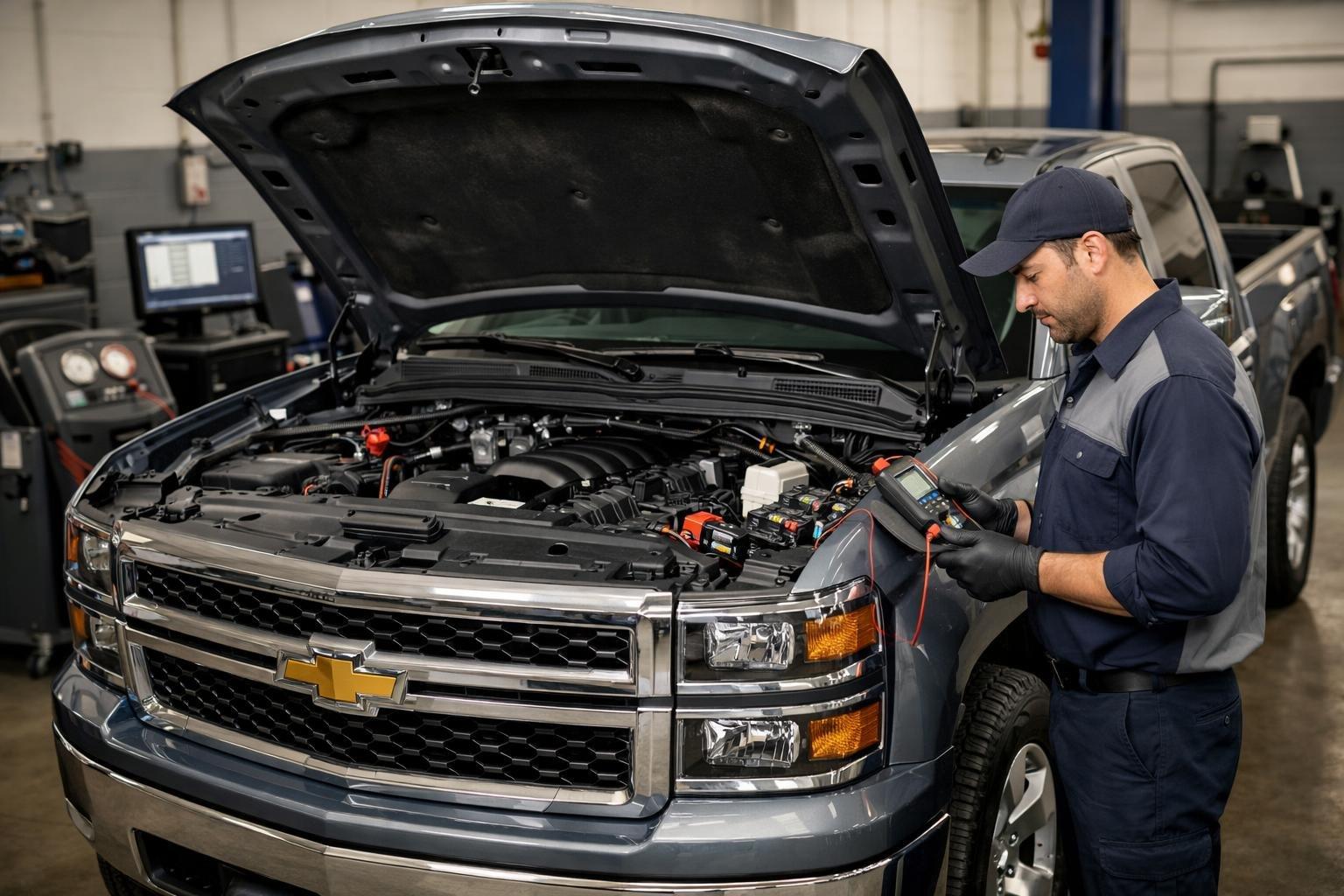
There are about 140 electrical complaints logged for the 2015 Silverado 1500, and A/C condenser failures are so common they’re almost expected. This stuff can make daily driving a pain.
A/C Condenser Failures and Weak Cooling
The A/C condenser likes to spring leaks, which means you get warm air instead of cold. Plenty of owners say the compressor fails soon after replacing the condenser, so sometimes you get a double whammy.
Plan for $600 to $1,200 for the condenser job, maybe more if the compressor goes too. If the A/C blows cold only sometimes during a test drive, that’s probably your culprit.
Infotainment, Sensors, and Electrical Glitches
Some common electrical headaches:
- Infotainment screen freezing or going dark
- Backup camera cutting out now and then
- Random warning lights for tire pressure or other sensors
- Battery draining from phantom electrical draws
Usually, these come from software bugs, bad body control modules, or corroded connectors. A quick scan with a code reader before you buy can reveal hidden electrical gremlins.
Leaks, Glass Issues, and Interior Annoyances
Some owners have noticed water leaks around the third brake light or rear window seal. This can leave the headliner or carpet damp—definitely not something you want to discover after a rainstorm.
There are also occasional reports of windshields cracking for no clear reason. That one’s not as common, but it does pop up in owner discussions.
Dashboard and door panel rattles come up a lot in forums. They aren’t going to put you in danger, but they can get under your skin during a long commute.
It’s worth listening for these noises if you’re checking out a used one. You might not notice them on a quick test drive, but they can make daily driving less enjoyable.
Ownership Costs, Maintenance, and Buying Advice
Honestly, keeping a 2015 Chevrolet Silverado 1500 in good shape is all about staying on top of maintenance. It helps if you know what to look for in the truck’s service records, too.
Good habits here can save you from some of the nastier and more expensive Silverado engine headaches down the line.
Scheduled Maintenance That Helps Reduce Risk
Here’s a quick rundown of the maintenance intervals that seem to make the most difference:
- Oil changes every 5,000 miles—seriously, don’t stretch it to 7,500 just because the oil life monitor says so, especially with the 5.3L V8’s appetite for oil.
- Transmission fluid change every 45,000 to 60,000 miles—helps with shuddering and keeps the transmission alive longer.
- Spark plug replacement at 100,000 miles, or earlier if you notice any misfires.
- Coolant flush every 50,000 miles—overheating isn’t fun, and this helps prevent it.
- Brake fluid should be flushed every 30,000 miles to keep the brakes working as they should.
Best Questions to Ask Before Buying Used
If you’re looking at a used 2015 Chevy Silverado, ask these questions up front:
- Have the lifters or camshaft ever been replaced?
- Has the transmission fluid been changed, and if so, when?
- Are all NHTSA recalls completed? (Check with the VIN to be sure.)
- Has the A/C condenser or compressor been replaced?
- Is there any record of steering or brake assist complaints?
Trucks with clear, documented answers here? Way less risky than those with no records at all. It’s always better to know what you’re getting into.
When Repair History Makes a Truck Worth Considering
A 2015 Silverado that’s already had its lifters replaced and the transmission serviced? That can actually be a smart buy. If the recalls are done too, you might be looking at a truck where the priciest headaches are already history.
The frame, body, and basic drivetrain on these trucks are built tough. With some care, they’ll easily push past 200,000 miles.
Try to find trucks with a steady service record, ideally from just one owner. Honestly, a Silverado with 120,000 miles and a stack of maintenance receipts feels like a safer bet than one with 80,000 miles and no paperwork at all.
Category: Vehicle Recalls
Related Posts
In 2024, Mercedes-Benz Has Issued Recalls for Various Models Due to Safety Concerns
Mercedes-Benz, a brand known for luxury and innovation, has faced…

Ram 1500 Recall: 2026 Affected Trucks and What to Do
Ford-style surprises aside, the newest safety notice for Ram owners…

BMW Integrated Brake System Recalls in 2024: What Owners Need to Know
BMW, a leading German automaker, has faced challenges with its…