Reports are emerging of a 2025 Honda Civic recall and owners are concerned. While details…
21 April, 2026
0 Comments
1 category
The 2020 Honda Accord is a popular midsize sedan, but it’s not immune to a few headaches. If you’re thinking about buying one used, already own one, or just comparing model years, it’s worth knowing the most common 2020 Honda Accord problems before you get too serious.
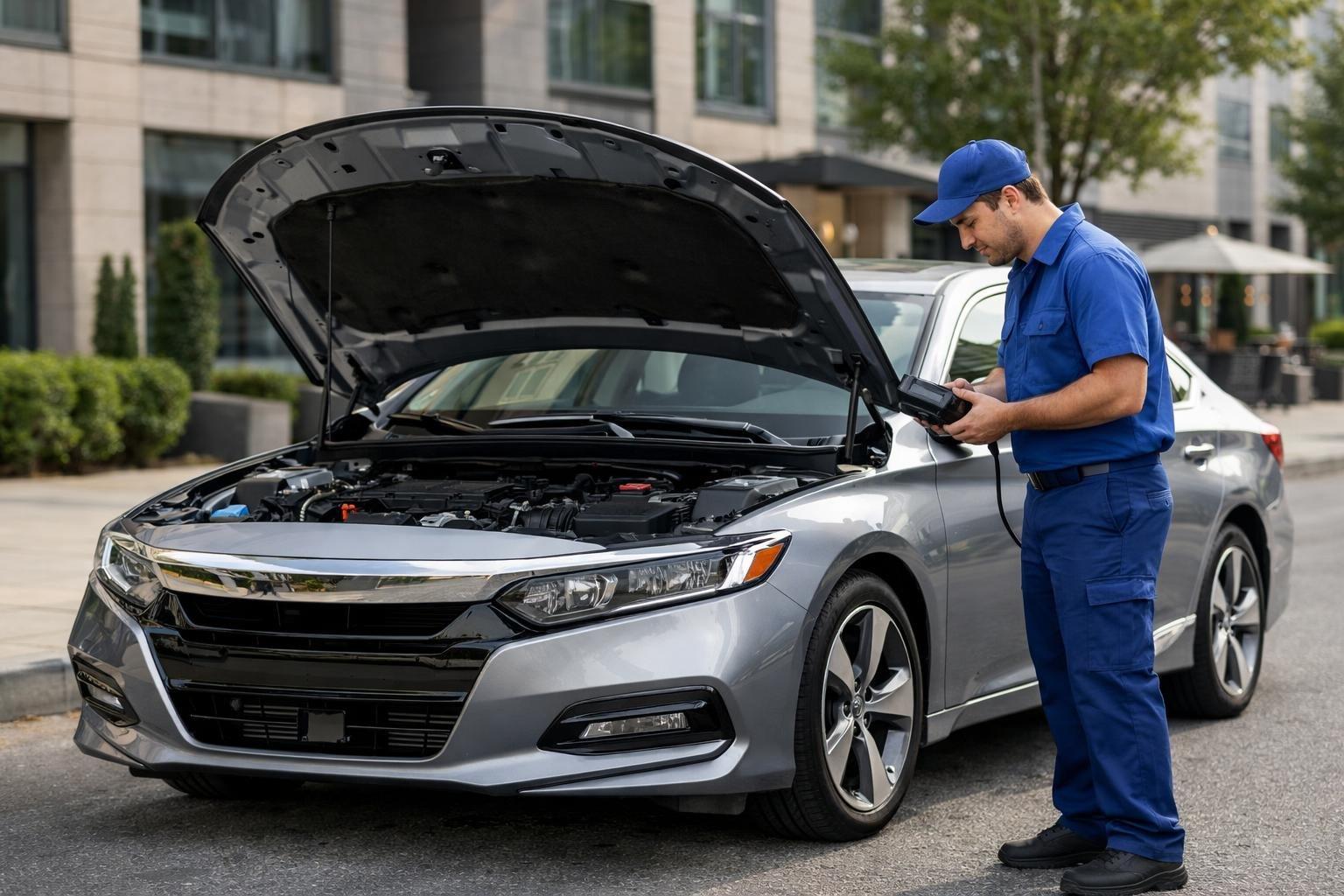
This model falls in the middle of Honda’s 10th-generation Accord lineup (2018–2022). So, it’s had a bit of time for some issues to be ironed out, but a few trouble spots still pop up.
The big ones? A major fuel pump recall, some forward collision warning hiccups, weird electrical gremlins, and early head gasket failures on certain 1.5-liter turbo engines. If you know what to look for, most of these are manageable.
Honda Accord reliability is usually above average in this class, and the 2020 is generally no exception. According to JD Power’s reliability score for the 2020 Accord, it gets an 82 out of 100—solidly in the “Great” range.
Still, complaint data points to a few weak spots you really ought to check out before signing anything.
This guide covers the most common trouble areas, active recalls, engine and steering quirks, and what to keep an eye out for during a test drive or pre-purchase inspection. It’s all about helping you make a confident decision.
Most Reported Trouble Spots
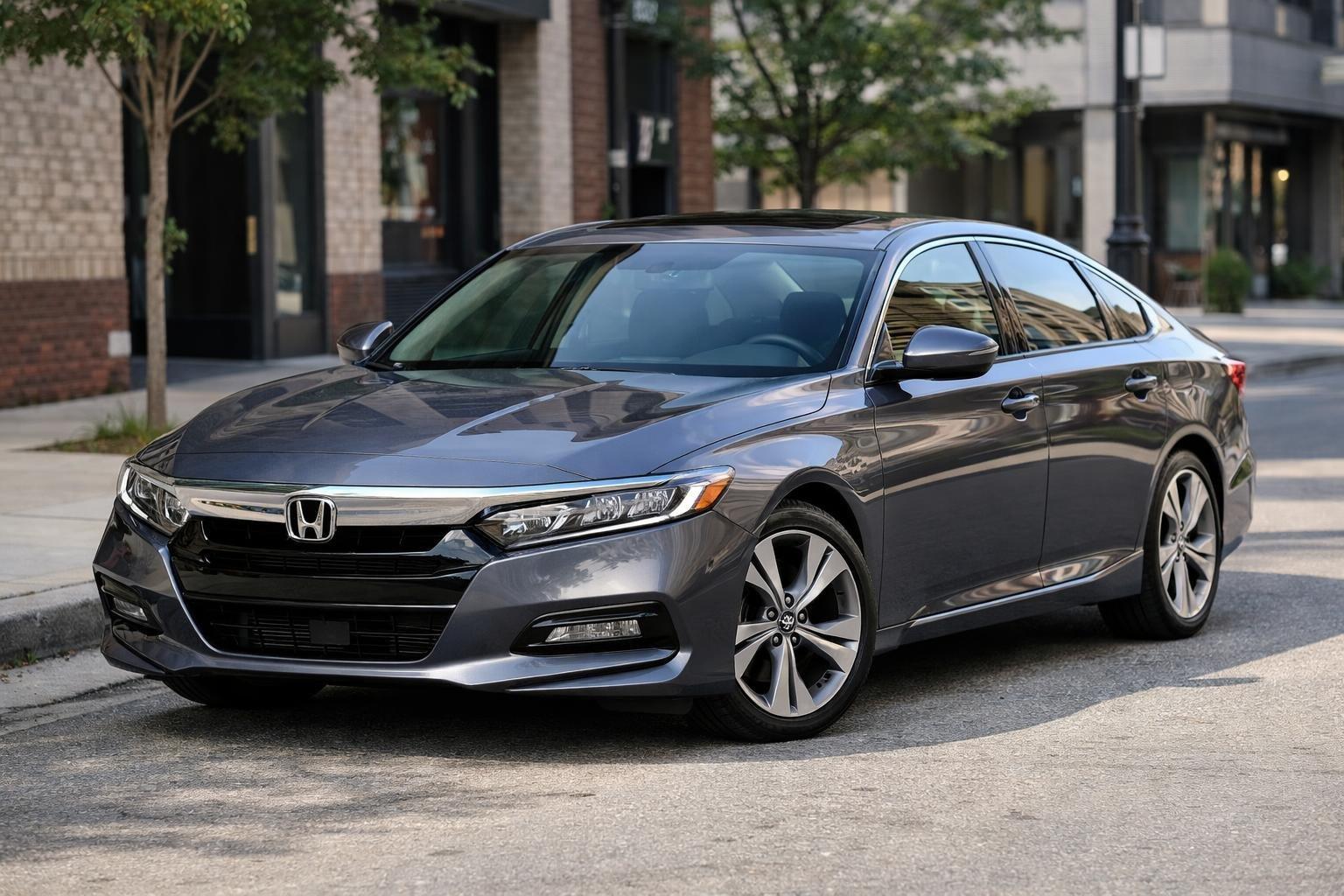
For the 2020 Accord, most owner complaints cluster around three areas: the forward collision avoidance system, electrical gremlins and warning lights, and the fuel system. There are close to 287 owner complaints filed with NHTSA, and most fall into these buckets.
Forward Collision Avoidance and Brake Complaints
The 2020 Accord’s Honda Sensing suite includes forward collision warning and automatic emergency braking. Some owners say the system slams on the brakes for no reason—often on highways, near overpasses, or in thick traffic.
This “phantom braking” is more than just irritating. It can really catch you off guard, and in the worst case, could cause someone behind you to rear-end your car. Some folks have had the system recalibrated by a dealer, but the results seem hit-or-miss.
If you’re test-driving a 2020 Accord, pay close attention to how the collision system acts, especially in busy traffic.
Electrical System and Warning Light Issues
Random dashboard warning lights are another common gripe. The TPMS (tire pressure monitoring system), traction control, and check engine lights sometimes pop on for no obvious reason.
Usually, these are traced back to flaky sensors or software bugs, not actual mechanical problems. A diagnostic scan should help, but if the issue comes and goes, it can be maddening—and costly—to track down.
Fuel System and Engine-Related Concerns
Fuel pump failure is probably the most serious mechanical issue tied to this model year. A bad low-pressure fuel pump can cause the engine to stall or hesitate, sometimes even at highway speeds.
Honda did a recall for this (more on that below), but not every car has been fixed yet. If you notice engine hesitation, rough idling, or sudden power loss, that’s a red flag.
Recalls and Known Defects to Check First
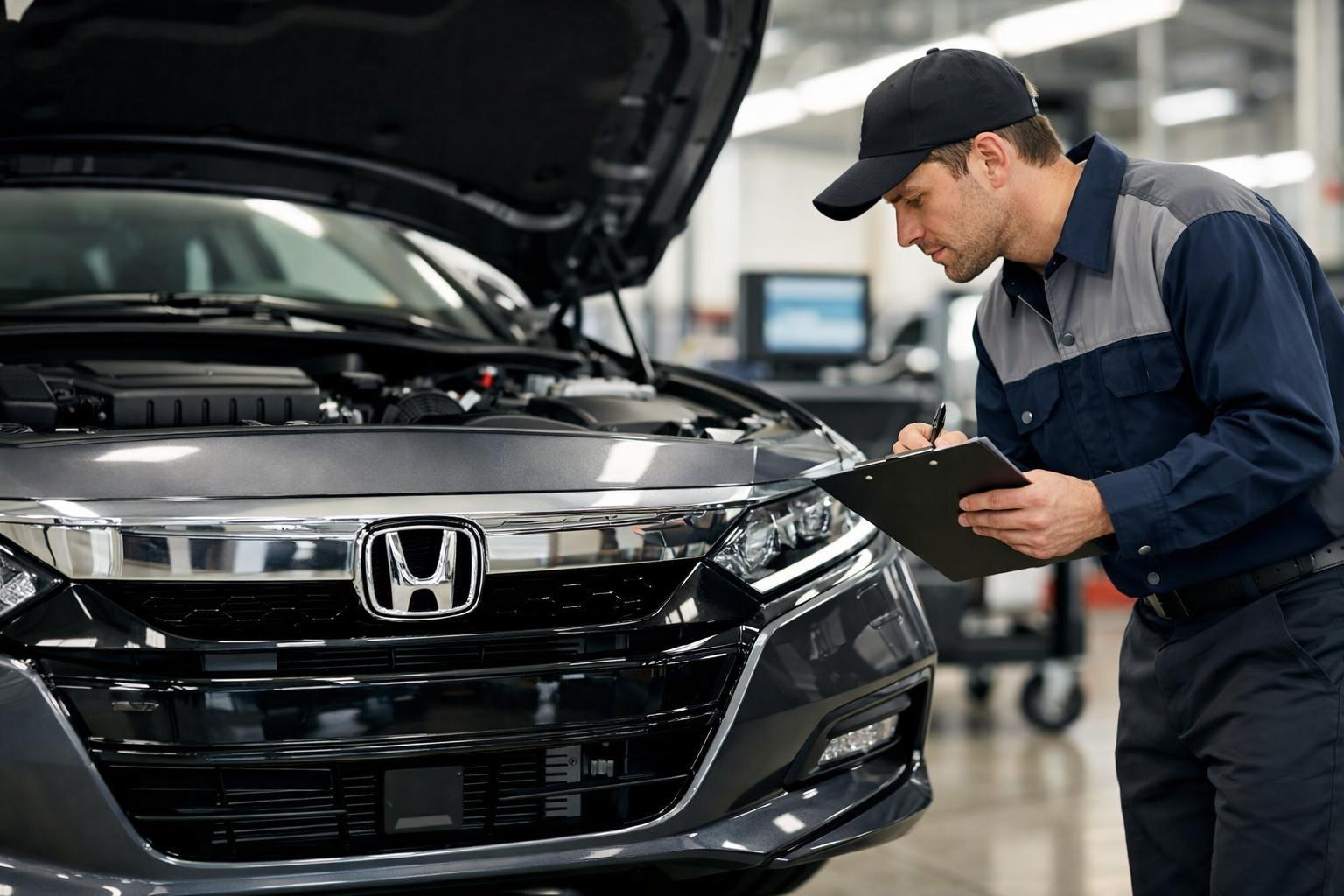
If you’re looking at a used 2020 Accord, check its recall history first. Several safety recalls hit this model year, and if a recall hasn’t been done, the risk is still there. You can run any VIN for free through NHTSA’s recall lookup tool or Honda’s owner portal.
Fuel Pump Recall and Stalling Risk
The fuel pump recall is the one you don’t want to ignore. A defective impeller inside the low-pressure fuel pump can get deformed, restricting fuel flow and causing the engine to stall. If that happens at highway speed, it’s a real safety risk.
This recall covered hundreds of thousands of Hondas. The fix is a free fuel pump replacement. If you’re considering a used 2020 Accord, double-check that this recall has been done before you buy.
Airbag and Seat Sensor Recalls
Some 2020 Accords also had recalls for the front passenger occupant position detection system. A faulty sensor could misread whether the seat is occupied, and that might keep the airbag from deploying in a crash.
Honda’s fix involves inspecting and, if needed, replacing the sensor. The 2020 Accord recall list on Cars.com has details, and checking for recalls on a specific VIN is quick and easy.
Why Recall Completion Matters on Used Cars
Dealers have to complete open recalls before selling certified pre-owned cars, but private sellers don’t. So, if you’re buying from an individual, the car might still have open safety recalls.
Always check the recall status. If there’s an open recall, any Honda dealer will do the fix for free, even if you’re not the original owner.
Engine, Steering, and Ownership Concerns
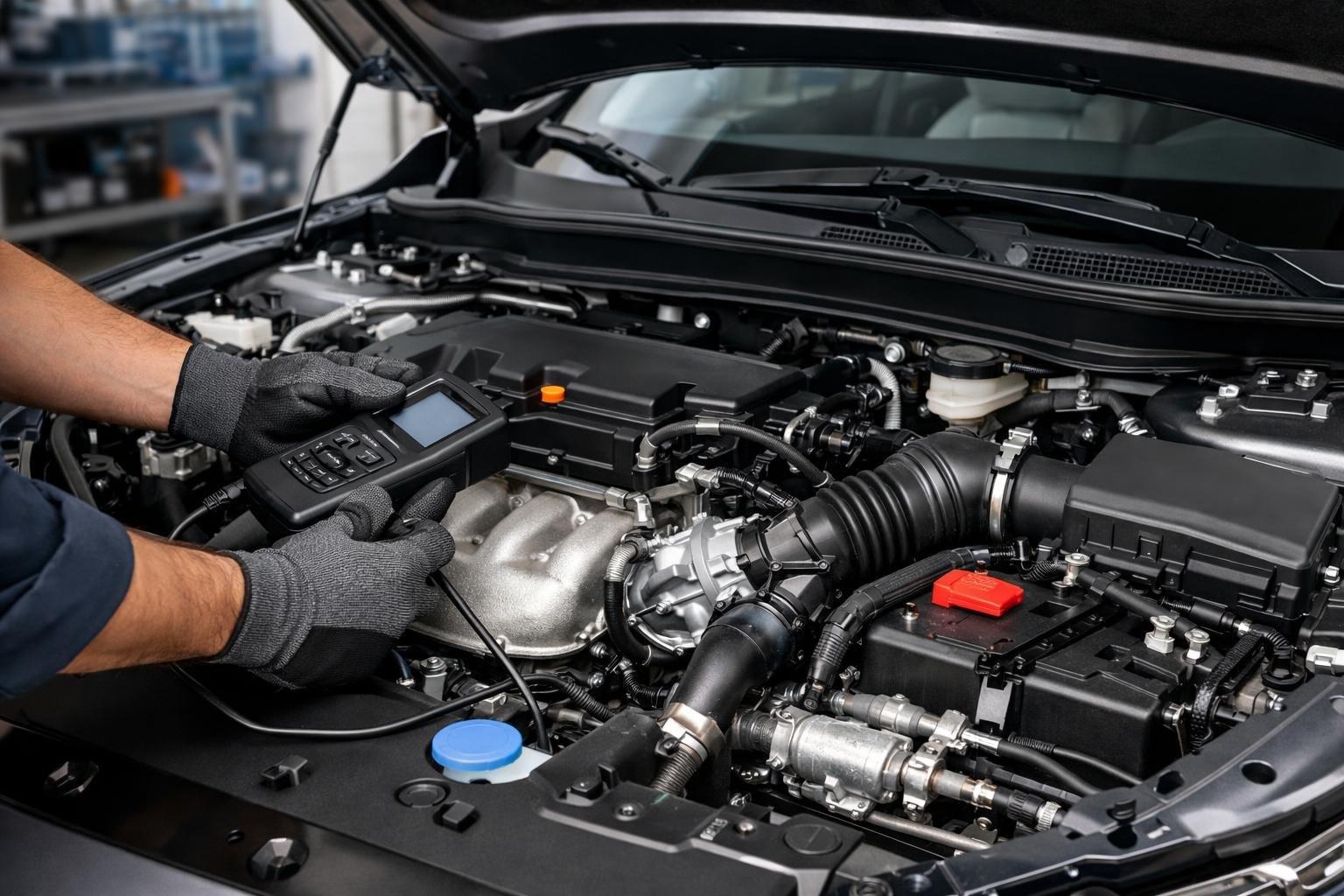
Outside of recalls and the biggest complaints, there are three areas worth a closer look: head gasket longevity on the 1.5T engine, steering feel and noises, and sensor reliability. These aren’t as common, but when they happen, repairs can get pricey.
Head Gasket Issues on 1.5T Models
The 1.5-liter turbo engine has gotten some attention for premature head gasket failure. There’s at least one well-known case of a head gasket failing at just 49,000 miles, and there’s even a class action lawsuit out there.
Watch for coolant loss (with no obvious leaks), a milky look on the oil cap, white smoke from the exhaust, or engine overheating. If you’re looking at a 1.5T Accord, check the oil cap and dipstick for weird residue, and ask about any coolant top-offs in its service history.
This doesn’t hit every 1.5T engine, but it’s something to keep an eye on, especially if the car is over 40,000 miles.
Steering Issues and Suspension Complaints
About 20 steering-related complaints have been filed with NHTSA for the 2020 Accord. People mention a loose or vague steering feel, pulling to one side, and sometimes a weird noise from the steering column.
Some of this is just alignment or tire wear, but other times it’s the electric power steering system acting up. On your test drive, check for play in the wheel at highway speeds and listen for any clunks or groans when turning at low speed.
Battery, Electronics, and Sensor Problems
The 12-volt battery in the 2020 Accord sometimes fails early, even in just two or three years. A weak battery can set off a bunch of warning lights, including TPMS and traction control, even if those systems are fine.
If you see dashboard warnings during your inspection, test the battery first before assuming it’s a pricey sensor or module problem.
How Reliable Is the 2020 Model Overall
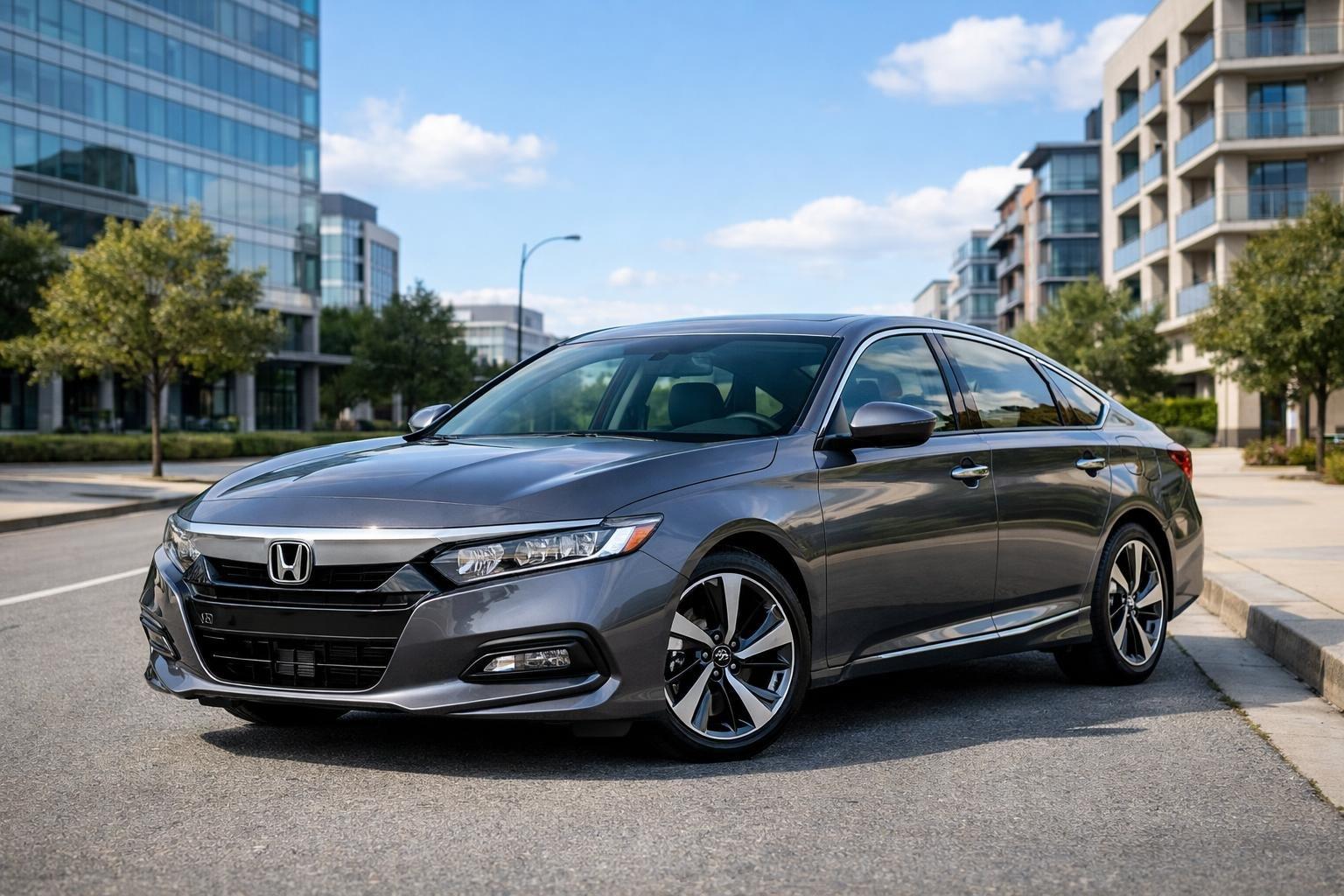
The 2020 Accord gets good reliability ratings, but things get a bit more complicated when you compare it to other years in the 10th generation and look at owner complaints. It’s not the best Accord year, but it’s far from the worst.
How the 2020 Model Compares With Other Accord Years
In the 10th generation (2018–2022), the 2018 Accord racks up the most complaints since it was the first year for the new platform. By 2020, Honda had worked out some early bugs, but issues like the fuel pump and 1.5T head gasket still lingered.
The 2021 and 2022 models usually get fewer complaints, so they’re a bit safer if your budget allows. If you’re wondering which Accord year to avoid, 2018 is probably the one.
What Reliability Ratings and Complaint Data Suggest
JD Power gives the 2020 Accord a reliability score of 82 out of 100, which is pretty strong for a midsize sedan. Owner satisfaction and resale value are still high.
NHTSA data shows a moderate number of complaints compared to rivals. The main issues are concentrated in a few categories, so they’re easier to spot during an inspection.
Is the 2020 Model a Safe Buy With Inspection
The 2020 Accord can be a solid used buy if you’re careful. Make sure all recalls are done, check the 1.5T engine for head gasket issues, and really put the Honda Sensing system through its paces on your test drive.
Getting an independent mechanic to do a pre-purchase inspection and reviewing the service history can save you a lot of trouble. There might be Accord years with fewer problems, but the 2020 is still a dependable pick for most folks.
What to Inspect Before Buying or Keeping One

A focused inspection can catch most of the common 2020 Accord issues before they become your headache. Here are the main things to prioritize during your test drive and under-the-hood check.
Test Drive Checks for Brakes, Steering, and Driver Aids
On your test drive, keep an eye on three things:
- Braking behavior: Drive in different traffic conditions and see if the forward collision system does anything weird. Pay attention to how the brake pedal feels.
- Steering feel: Look for looseness, pulling, or strange noises at both low and highway speeds.
- Honda Sensing alerts: Watch for any surprise warnings or error messages from the driver aids on the dashboard.
Try to drive for at least 15 or 20 minutes in mixed conditions. A quick spin around the block probably won’t reveal those annoying intermittent issues.
Under-the-Hood and Service History Review
Pop the hood and take a look at a few key things:
- Oil cap and dipstick—keep an eye out for any milky residue. That’s often a hint of head gasket issues, especially on 1.5T models.
- Coolant reservoir level—check if it’s low or if there are signs someone just topped it off.
- Battery age and condition. If the car’s older than three years, the battery might be on borrowed time.
Ask the seller for the full service history if you can. Regular oil changes and maintenance usually mean the car’s been cared for. If there are gaps in the records, especially between 40,000 and 60,000 miles, that could be a yellow flag—head gasket problems often pop up there.
Tires, TPMS, and Dashboard Warning Signs
Take a good look at all four tires. Uneven wear might mean an alignment or suspension issue is lurking under the surface.
Check that the tire pressure monitoring system (TPMS) light is off. It should stay off after a short drive—if it doesn’t, that’s not a great sign.
If you spot the TPMS, traction control, or check engine light popping up during your test, don’t ignore it. Ask a technician to run a quick diagnostic scan before you go any further.
Sometimes these warnings are just minor sensor glitches, but they could also point to something pricier. Sorting these out before you buy can give you some bargaining power—or a reason to just walk away.
Category: Vehicle Recalls
Related Posts

Ram 1500 Recall: 2026 Affected Trucks and What to Do
Ford-style surprises aside, the newest safety notice for Ram owners…
Hyundai Brake Fluid Leak Recall: What Owners Need to Know About the 2025 Safety Issue
Hyundai has recently issued a recall for certain vehicle models…
2025 Ford F150 Problems: Common Issues to Know
The 2025 Ford F150 has drawn attention not just for…