Ford’s set a troubling record this year that every car owner should have on their…
20 April, 2026
0 Comments
1 category
Thinking about a Toyota Grand Highlander Hybrid? Or maybe you already have one in your driveway, and you’re trying to make sense of some weird issues? You’re not the only one. Toyota rolled out the Grand Highlander Hybrid for 2024, aiming it at families who want a big three-row SUV that doesn’t guzzle gas.
It’s gotten plenty of love for its roomy cabin and solid fuel economy. Still, early owners are flagging a handful of recurring problems you’ll want to know about.
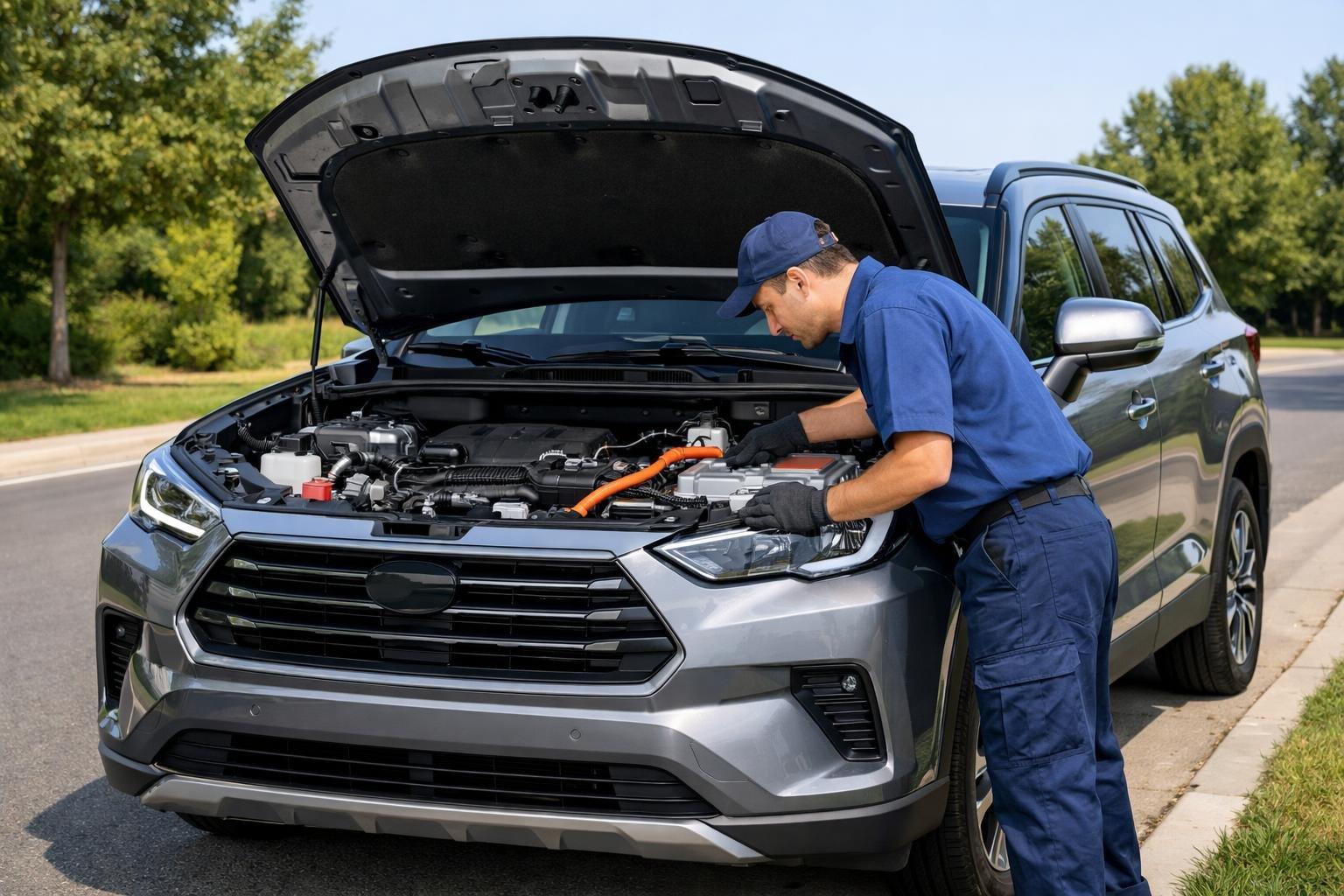
The most common trouble spots? Transmission hesitation at low speeds, electrical and infotainment glitches, airbag and camera system recalls, highway cabin noise, and a fuel tank filling issue that limits how much gas you can actually use. Some of these are covered by recalls or technical service bulletins. Others are just all over owner forums and complaint sites.
This guide breaks down every verified problem and owner complaint by category. I’ll also point out which model years seem riskier, what to watch for on a test drive, and how to check recall status before you buy. Whether you’re eyeing a 2024 or 2025 Grand Highlander Hybrid, a little info goes a long way.
Most Reported Trouble Spots
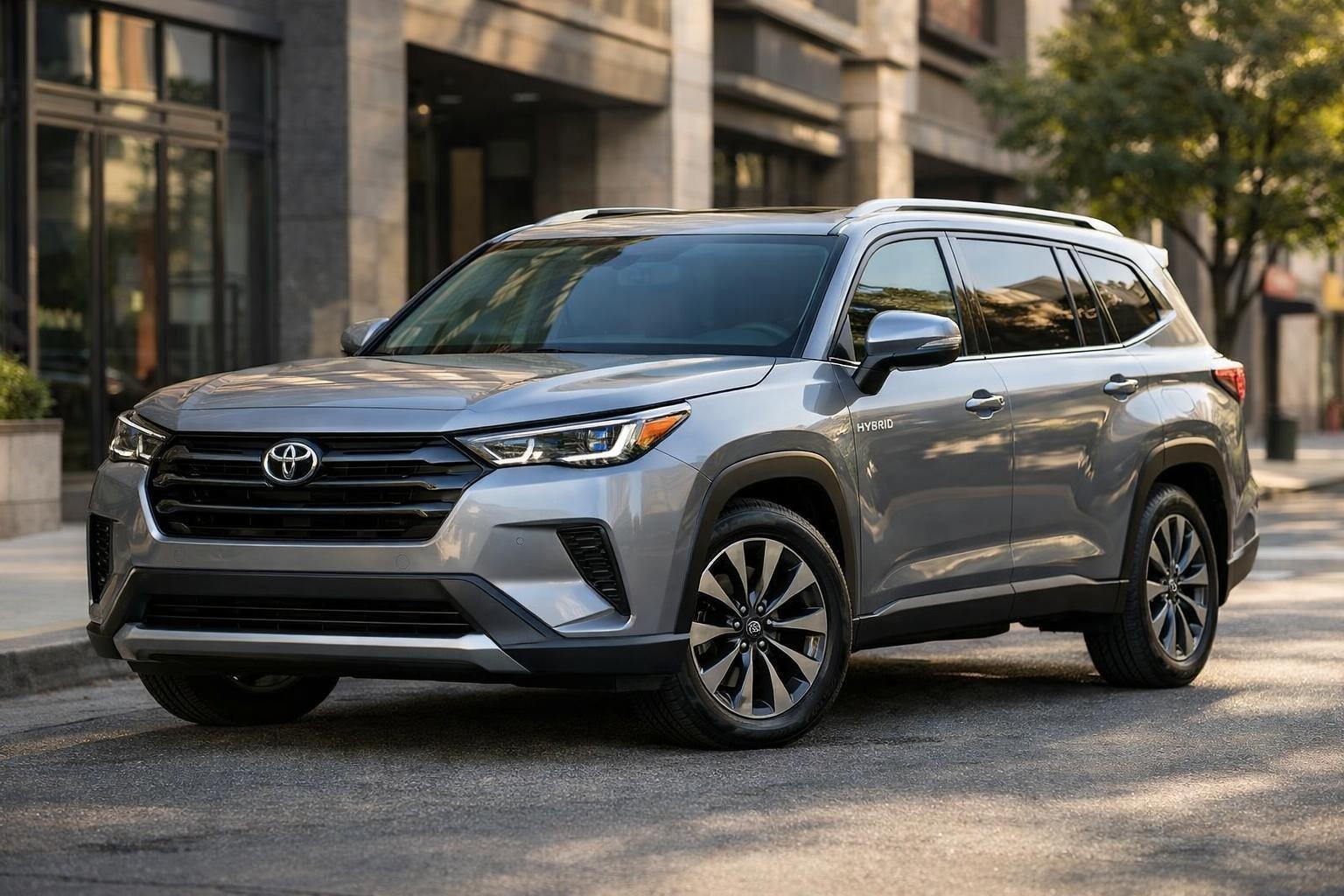
Owner complaints on NHTSA, Carcomplaints.com, and various forums keep circling back to a few main issues. The 2024 Grand Highlander Hybrid especially gets dinged for transmission quirks, electrical gremlins, and brake oddities.
Transmission Hesitation and Low-Speed Clunking
A lot of owners talk about rough or hesitant shifting at low speeds, especially when gently accelerating from a stop. Some mention a clunk as the SUV switches between electric and gas power. Toyota did put out a technical service bulletin about this shifting weirdness.
Dealers can update the software, which has helped some folks. If you’re test-driving and notice a jerk or delay at low speeds, it’s worth asking if the latest transmission calibration has been done.
Electrical and Infotainment Glitches
There have been headaches with the Toyota app’s remote key feature. The app will lock and unlock doors, maybe even start the engine, but then the car says “key not found” and blares the alarm. This is extra annoying since early 2024 models often shipped with just one physical key fob due to supply chain hiccups.
Infotainment freezes and lag pop up too, though not as often. Sometimes, over-the-air or dealer-installed software updates smooth things out.
Brake Feel, Warning Lights, and Driveability Complaints
Some owners aren’t thrilled with the brake pedal feel. It can be soft or spongy—pretty typical for hybrids with regenerative braking—but the transition to regular brakes isn’t always smooth.
Adaptive cruise control has gotten flak as well. More than a few drivers say it brakes too hard when the car ahead slows down, even at a distance, making highway driving uncomfortable. No dealer fix for that one yet.
Recalls and Safety Issues Buyers Should Check First
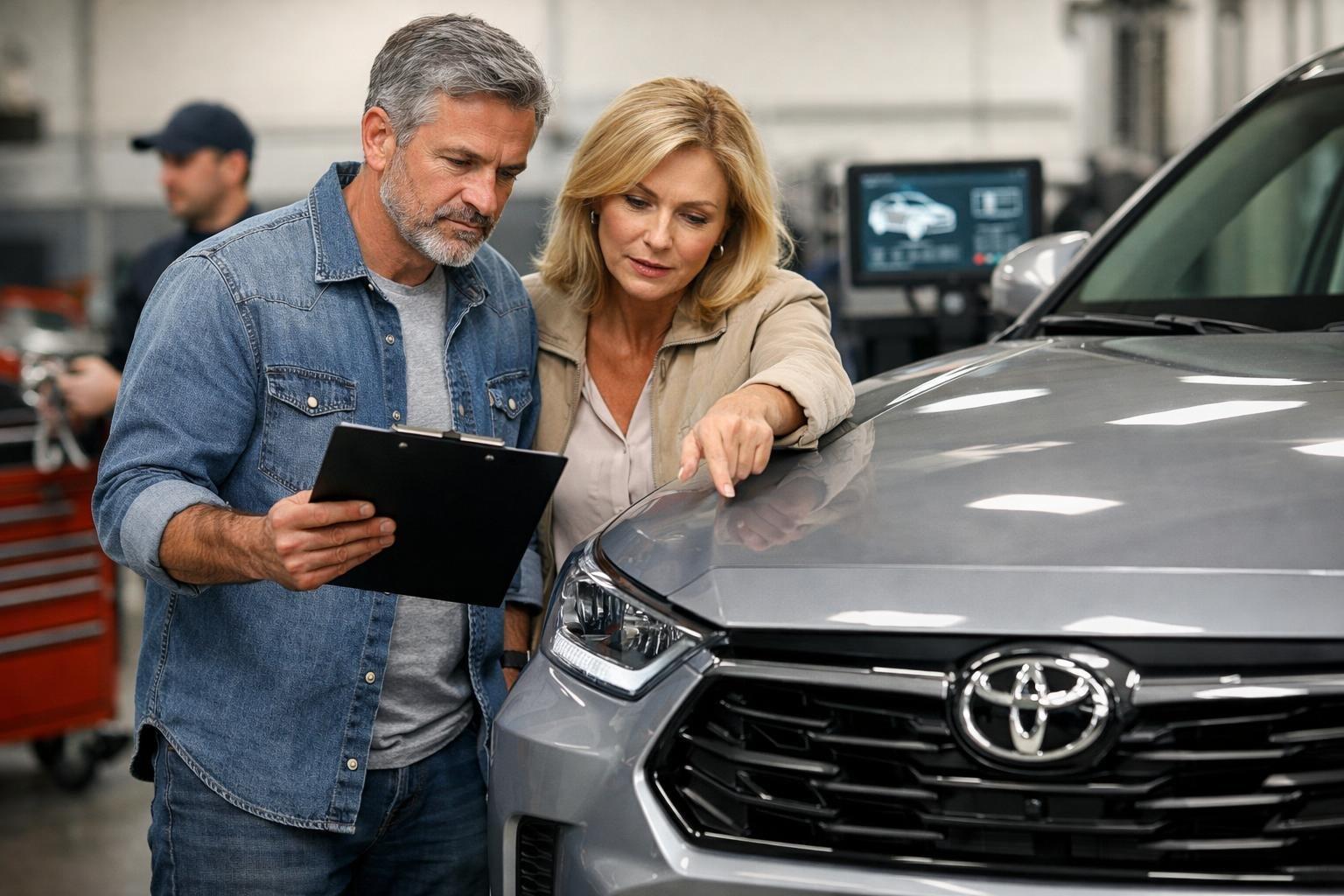
The 2024 Grand Highlander has already seen several recall campaigns. NHTSA lists seven recall actions and over 265 complaints for the 2024–2026 models. Some recalls were big enough to trigger stop-sale orders.
Airbag Recall and Repair Delays
The biggest recall involved the front curtain shield airbags. Turns out, if the front windows were down during a crash, the airbags could partially inflate outside the car. That’s a federal safety violation, and it led to a stop-sale on about 145,000 Grand Highlanders and Lexus TXs.
Production paused, and dealers couldn’t sell affected SUVs until they had a fix. If you’re looking at a 2024, run the VIN to make sure this recall was actually completed. Some buyers waited weeks for repairs.
Instrument Cluster Software Recall
Another recall was for a software bug in the instrument cluster. Sometimes the display would go blank or show the wrong info, which is a problem when you can’t see your speed or warning lights.
Dealers can update the software in under an hour. Always check that this was done on any used Grand Highlander you’re considering.
Rear Camera and Panoramic View Monitor Concerns
There are reports about the rear camera and panoramic view monitor glitching out, especially on higher trims. Sometimes the screen goes blank, the image is distorted, or it just lags when you shift into reverse.
Not every camera issue has triggered a recall, but they pop up in owner complaints. Definitely worth testing during any pre-purchase inspection.
Reliability Outlook by Model Year
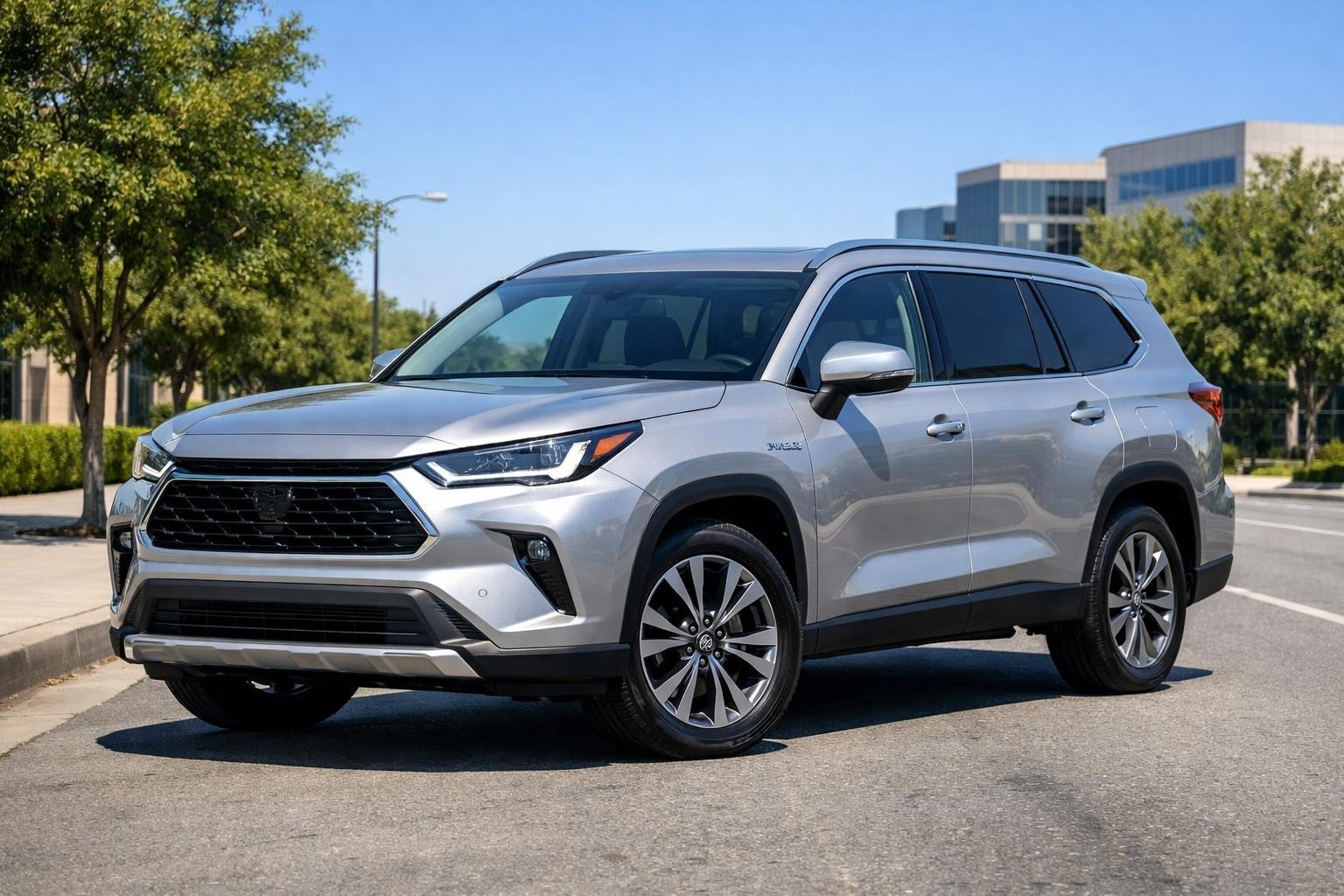
Since the Grand Highlander only launched in 2024, there’s not a ton of long-term reliability data yet. Still, early reports from Carcomplaints.com, NHTSA, and consumer surveys give a decent first impression, even if the sample size is small.
What Early 2024 Reports Suggest
The 2024 model year has the most complaints and recalls so far. That’s pretty normal for a first-year vehicle. Most of the issues are airbag recalls, transmission hesitation, and electrical bugs.
Consumer Reports gave the 2024 Grand Highlander Hybrid only so-so reliability marks at first. Across review sites, it averages around 75 out of 100 for reliability—good, but not quite up to Toyota’s usual standard.
How 2025 Reliability Data Changes the Picture
The 2025 model year looks better, at least early on. The airbag recall was addressed in production, and a bunch of software bugs were sorted out before delivery.
There are fewer complaints so far for 2025s, but you still see some of the same stuff: transmission quirks, sunroof gripes, and infotainment bugs. It’s too soon to call it trouble-free, but things seem to be improving.
Why First-Model-Year Caution Still Matters
The Grand Highlander shares its platform with other Toyota and Lexus models, which should help reliability. But new body styles, features like the panoramic roof, and first-gen software always bring extra risk.
If you’re the cautious type, a late production 2024 or a 2025 with all recalls done is probably your safest bet.
Hybrid-Specific Concerns and Real-World Ownership Drawbacks
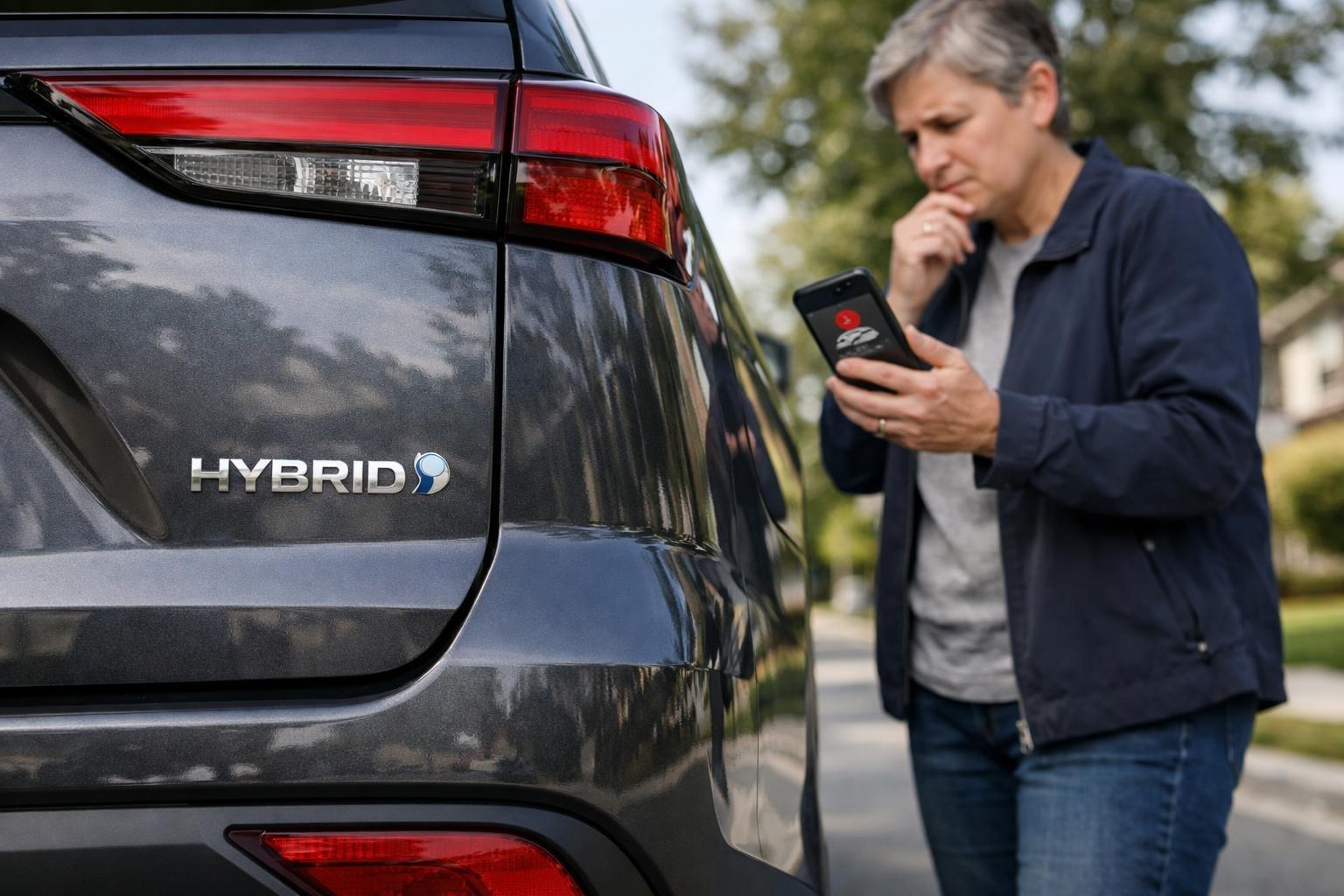
The hybrid system brings its own quirks. These aren’t necessarily defects, but the gap between expectations and reality can catch people off guard.
Fuel Economy Versus Real-World Range
EPA ratings for the Grand Highlander Hybrid look great, but plenty of owners say they’re not hitting those numbers. Some Hybrid Max drivers report around 21 MPG, even though Toyota claims 26–27 MPG combined.
There’s also a widely mentioned issue with the fuel tank. It’s supposed to hold 17.2 gallons, but many folks can only pump in 12 or 13 gallons when the gauge is nearly empty. Toyota knows about it, but there’s no real fix yet. That means you’re stopping for gas more often than you’d expect.
Hybrid Max Performance and Powertrain Complexity
The Hybrid Max gives you more horsepower, but it also adds complexity. The switch between electric and gas power can feel abrupt in city driving—see those low-speed transmission complaints above.
If you’re torn between the standard hybrid and the Hybrid Max, just know the regular hybrid gets better mileage and has fewer reported driveability issues.
Cabin Noise at Highway Speeds
Lots of reviewers and owners have noticed the Grand Highlander Hybrid is louder than they’d like on the highway. Wind and road noise can make it tough to talk to people in the third row.
This hasn’t changed for 2026 models either. More sound-deadening or thicker glass would help, but Toyota hasn’t announced any fixes as of early 2026.
What to Inspect Before You Buy
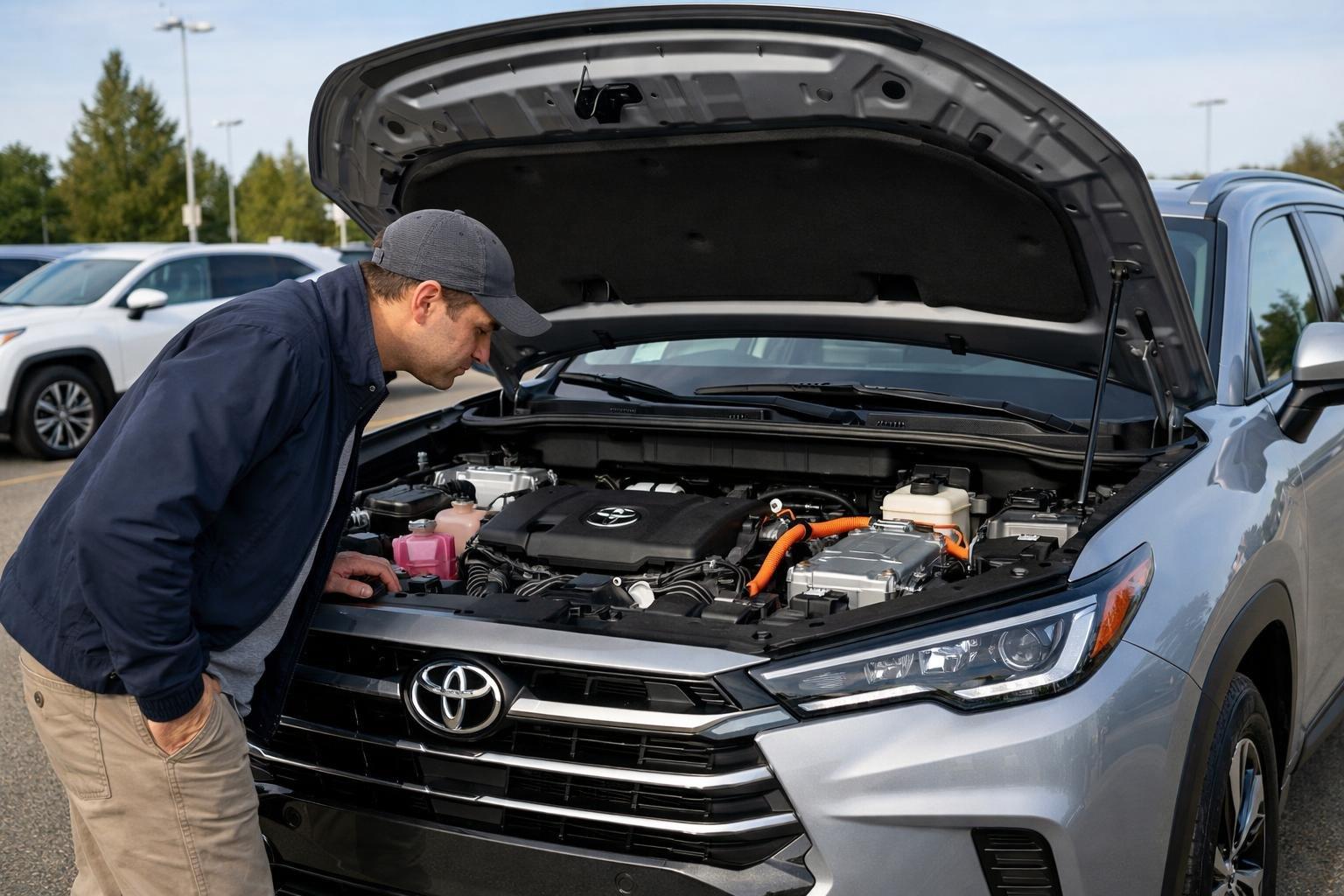
Shopping new or used? A careful once-over can save you a ton of headaches later. Focus on the powertrain, recall status, and tech features that seem to cause the most complaints.
Test Drive Checks for Powertrain and Braking
On your test drive, pay close attention to these:
- Low-speed acceleration: Cruise through a parking lot and make a few stops. Listen and feel for clunks or hesitation as it switches between electric and gas.
- Brake pedal feel: Try the brakes at different speeds. Is the pedal super soft? Does the transition from regenerative to friction braking feel weird?
- Adaptive cruise control: Test it on a highway if you can. See how it reacts when traffic slows down ahead.
- Highway noise: Drive with the radio off at highway speed. Is the cabin louder than you’d like?
Service History, Recall Status, and VIN Research
Run the VIN through Toyota’s recall checker and the NHTSA site. Make sure all seven possible recalls are done and dusted.
For used models, ask for service records. Look for proof of transmission software updates and instrument cluster fixes. If the only service history is oil changes, there may still be outstanding technical bulletins.
Tech Features, Camera Systems, and Interior Wear
Test every camera angle—rear, front, all of them. If you’ve got a panoramic view monitor, give that a try too. Shift into reverse a few times and watch for any lag, blank screens, or weird distortion. If something feels off, trust your gut and ask about it.
Open and close the panoramic moonroof if the vehicle is equipped. It’s worth noting that some folks have had issues with spontaneous cracking—especially when aftermarket window film was added to the roof glass. Not exactly what you want to deal with down the road.
Check how responsive the infotainment system is. Try Bluetooth pairing and, if you can, mess around with the Toyota app to see if everything connects smoothly. Take a look at the second- and third-row seats for wear and tear; this is a family SUV, so those seats have probably seen their share of spilled snacks and muddy shoes.
Before you leave, make sure you’re getting two physical key fobs. There were some early 2024 units that only came with one, which feels like a hassle waiting to happen.
Category: Vehicle Reviews
Related Posts
Best Electric Vehicles of 2026 for Every Budget and Need
For most U.S. shoppers, the 2026 Hyundai Ioniq 5 is…
Toyota Grand Highlander Hybrid Trim and Feature Guide
If you're hunting for a three-row hybrid SUV that actually…
F-150 Lightning in 2026: Availability, Specs, and What’s Next
Ford no longer takes orders for the battery-electric F-150 Lightning,…