Preparing your car for a long road trip is an essential task that can significantly…
11 October, 2026
0 Comments
1 category
For most U.S. shoppers, the 2026 Hyundai Ioniq 5 is the EV to beat: it starts around $36,650, offers up to 318 miles of EPA-estimated range, and gives you crossover space without a luxury price. The Tesla Model 3 is the stronger pick if you want a sedan, the Lucid Air leads on range and luxury, and the Rivian R1T is the pickup to try first.
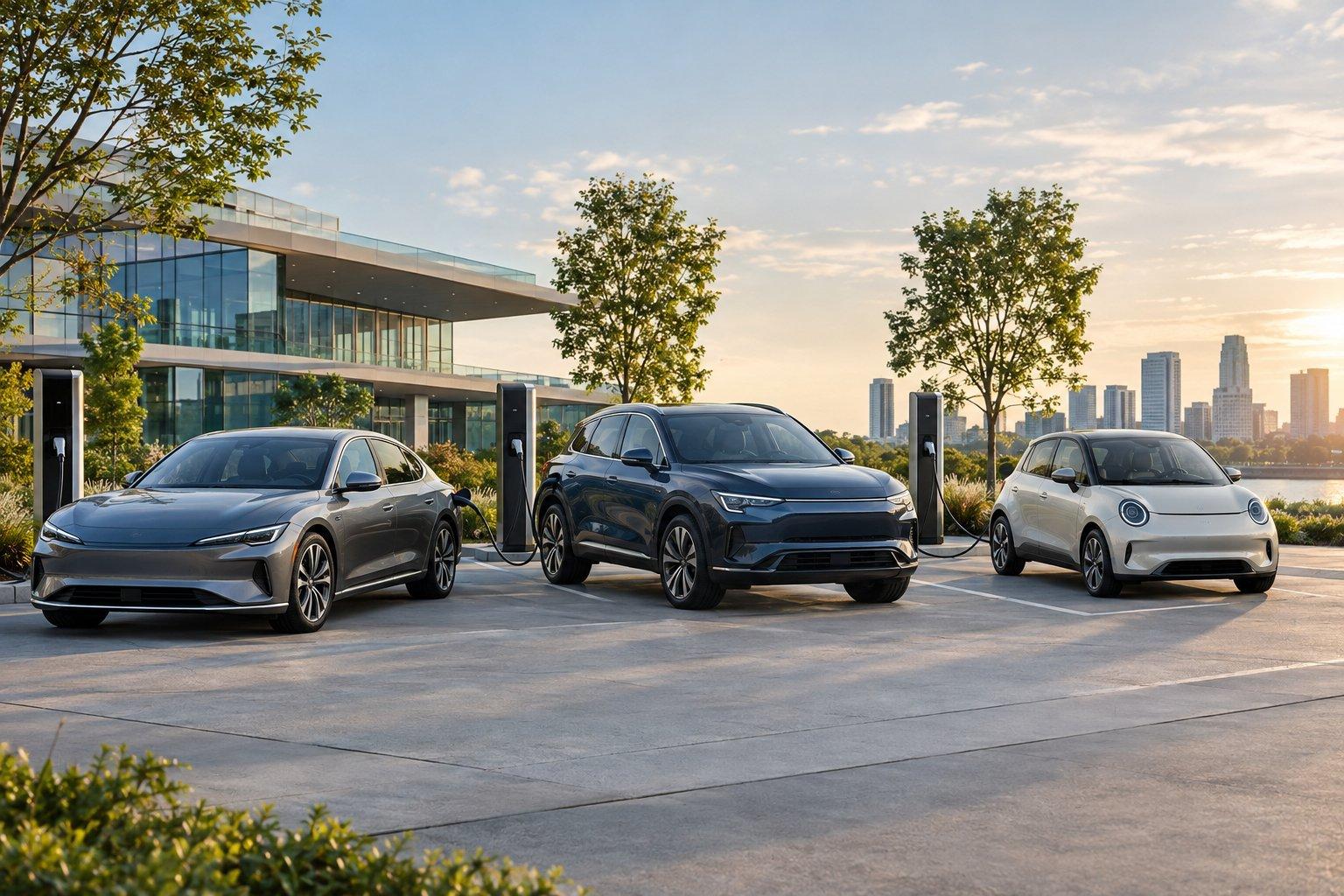
The best electric vehicles for you come down to fit. A commuter with a home charger, a family of six, and a contractor who tows on weekends need very different EVs. Prices now run from under $28,000 to well past $100,000.
One change hits every budget. The federal clean vehicle tax credit no longer applies to cars bought after September 30, 2025, so the sticker price and any state or maker offers carry more weight than they did a year ago. With the picks below, you can build a shortlist that matches your driving, your parking, and your wallet.
Which EVs Belong on Your Shortlist?
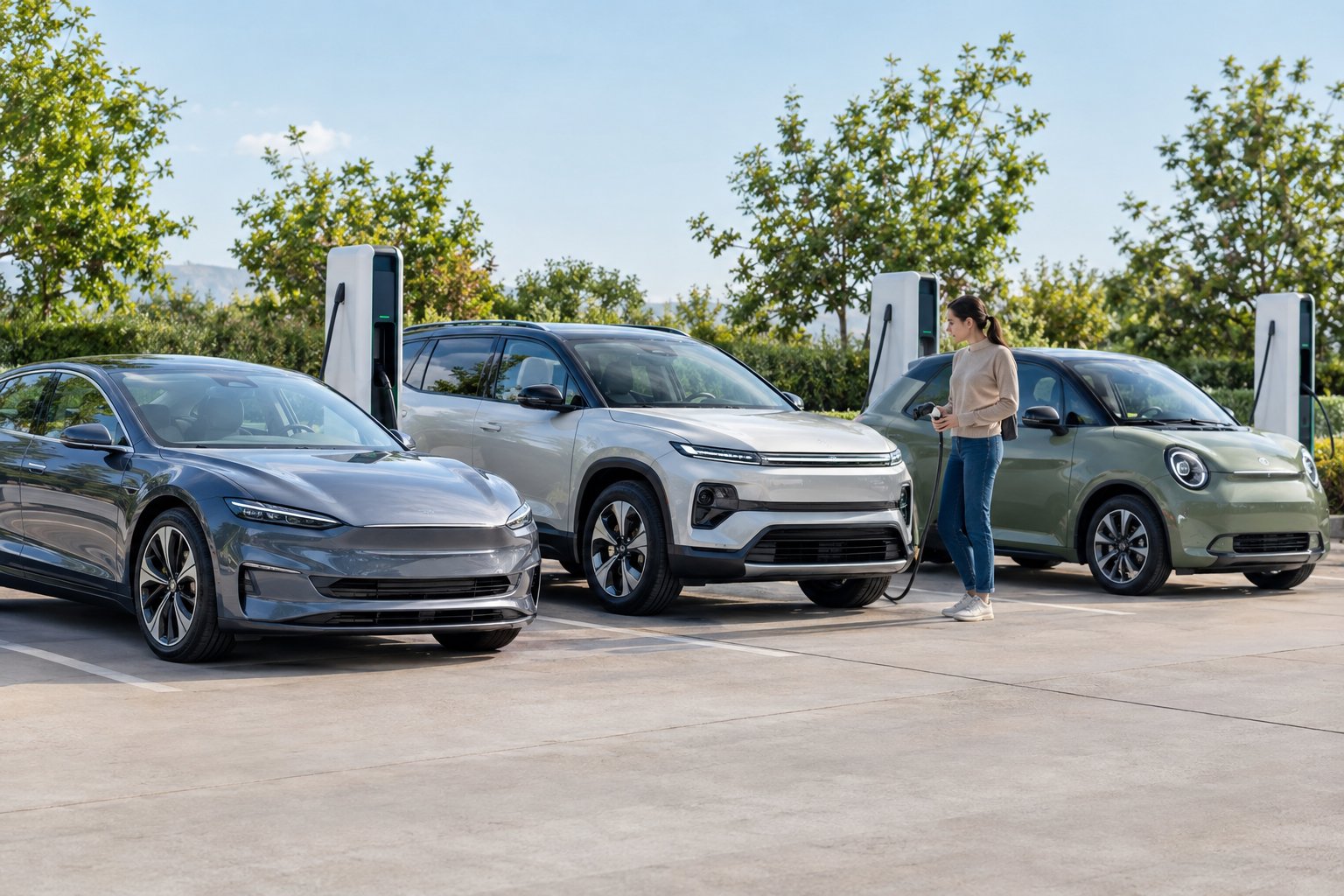
Four models cover most needs: the Ioniq 5 for all-around value, the Model 3 for efficient sedan driving, the Lucid Air for range and comfort, and the R1T for truck work with an adventure streak. Here is how their key numbers compare.
| 2026 Hyundai Ioniq 5 | Tesla Model 3 | 2026 Lucid Air | Rivian R1T | |
|---|---|---|---|---|
| Body style | Compact crossover | Sedan | Luxury sedan | Pickup |
| Starting price | About $36,650 | $36,990 | About $72,400 | About $74,885 |
| Top EPA range | 318 miles | 321 miles (RWD) | Up to 512 miles | Varies by battery |
| Best for | Most buyers | Commuters | Long trips, luxury | Towing, off-road |
Best All-Around Choice: 2026 Hyundai Ioniq 5
The Ioniq 5 earns the top spot because it does many things well at a fair price. It works as a commuter, a family hauler, and a road-trip car without forcing big trade-offs.
The Hyundai spec sheet shows 318 miles of EPA range for rear-wheel-drive models with the 84 kWh battery, with all-wheel-drive versions rated from 259 to 290 miles. The base 63 kWh model drops to 245 miles. On a 240-volt home charger, the larger battery goes from 10% to 100% in about 7 hours 20 minutes, so an overnight plug-in covers you.
Every trim has a 12.3-inch screen, wireless Apple CarPlay and Android Auto, and rear seats that slide and recline. U.S. News named it the best electric SUV with a 9.3 out of 10 score. If you want rugged looks, the XRT trim adds all-terrain tires and black cladding, though it is rated at 259 miles.
Best Sedan Choice: Tesla Model 3
The Model 3 suits you if you drive a lot of highway miles and want low running costs. It is light, slippery, and very efficient.
The rear-wheel-drive version starts at $36,990 with 321 miles of EPA range and a 5.8-second 0-60 mph time. Tesla also says a Supercharger can add up to 170 miles in 15 minutes. Add destination and order fees, and the price is $38,630.
Tesla’s Supercharger network is the biggest selling point. Charging on road trips stays simple, and the car plans stops for you. The minimal cabin puts nearly every control on a 16-inch screen, which some drivers love, and others find distracting. Sit in one before you buy.
Best Luxury Choice: 2026 Lucid Air
The Lucid Air is the long-distance champion. Kelley Blue Book lists it first among longest-range electric cars at 512 miles in its best configuration, and most trims land between 420 and 480 miles.
That range pays off on trips where chargers are spaced far apart. U.S. News scores it 9.6 out of 10 as its top luxury electric car. Lucid offers a Lucid Air Pure lease from $699 a month for 36 months, plus two years or 24,000 miles of free scheduled maintenance.
The ride is quiet and the rear seat is roomy for a sleek sedan. Expect a starting price near $72,400 and sharp jumps for faster trims.
Best Pickup Choice: Rivian R1T
The R1T is the most well-rounded electric pickup for buyers who mix daily driving with camping, towing, or trail runs. It is quick, clever with storage, and capable off pavement.
Gen 2 trucks (2025 and newer) carry a maximum payload of up to 2,172 pounds on the Dual Large setup. Towing reaches 11,000 pounds with the Max battery. Pricing starts around $74,885, so it costs more than many gas trucks.
Which Electric Cars Offer the Best Value and Performance?
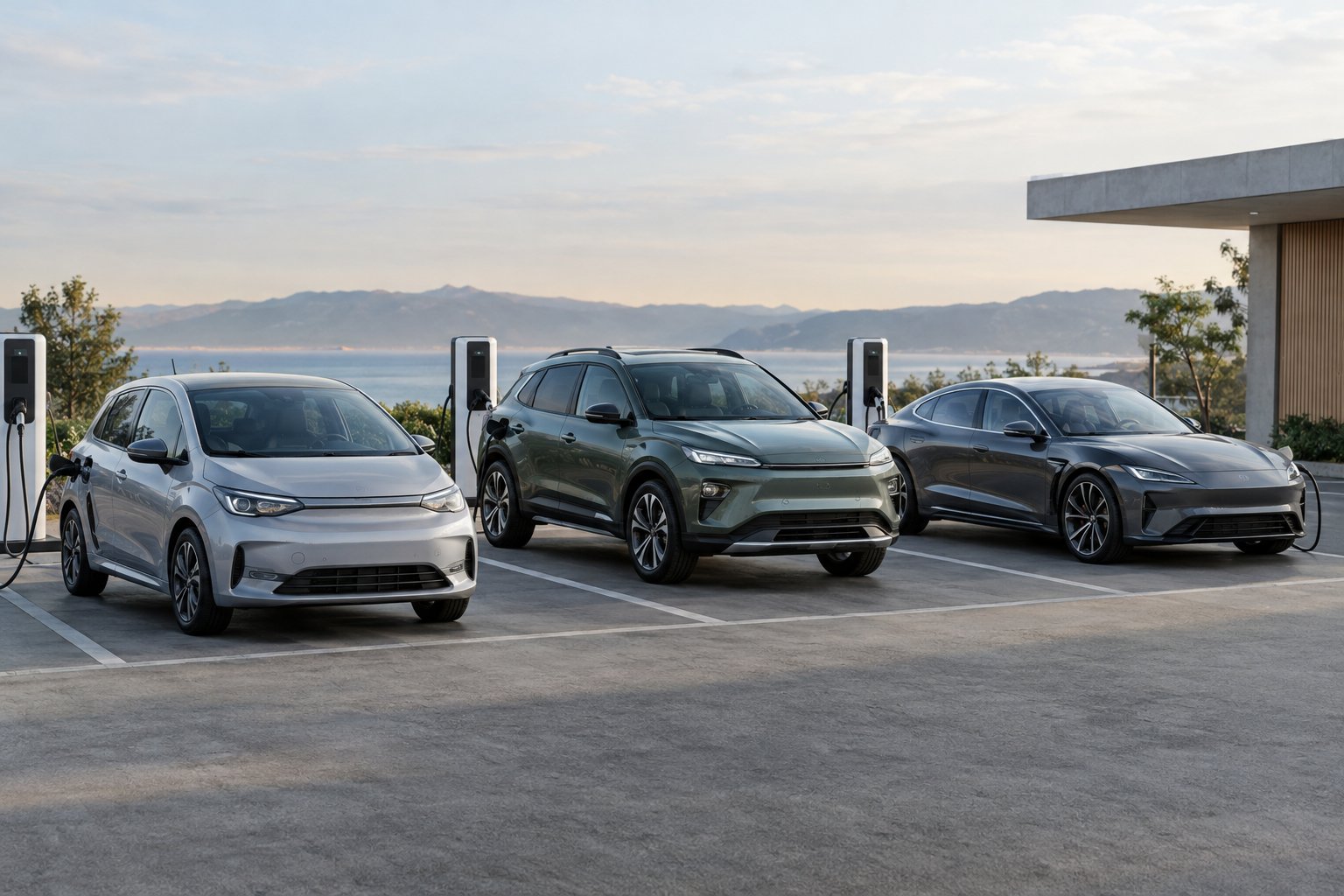
The best value electric cars now start under $30,000 and still deliver more than 250 miles of range. Spend more and you get efficient sedans with 340-plus miles, or a muscle car with serious punch.
Affordable Choices and Upcoming Arrivals
The 2027 Chevrolet Bolt is the price leader. It starts at $27,600 with 262 EPA-estimated miles and charges from 10% to 80% in about 25 minutes at a fast charger, per GM’s estimate. It uses the NACS port, so you can plug into Tesla Superchargers without an adapter, and its battery carries an 8-year/100,000-mile warranty.
Chevy says to charge the Bolt to 100% regularly, unlike most EVs where 80% is the daily target. That detail is easy to miss and affects how fast it charges on trips.
The redesigned 2026 Nissan Leaf is now a small SUV. The S+ trim starts at $29,990 before a $1,575 destination charge and is rated at 303 miles and 121 MPGe combined. Higher trims lose range: the Platinum+ drops to 259 miles.
The Leaf has two charge ports: a NACS port for fast charging and a J1772 port for home and public Level 2. That makes it easy to use existing chargers at home or work.
The 2027 Kia EV3 rounds out this group. It starts near $31,385 with 221 to 321 miles depending on battery. As a 2027 arrival, check dealer stock in your area before you plan around it.
Efficient Sedans for Daily Driving
The 2025 Hyundai Ioniq 6 is a carryover model, but it still tops Kelley Blue Book’s electric car list with a 4.6 out of 5 rating. It starts at $39,095 and offers up to 342 miles of range.
Its smooth, rounded shape cuts wind drag, which helps highway range. Rear headroom is tighter than the Ioniq 5’s, so tall passengers should try the back seat. Because it is a 2025 model, you may find discounts on remaining stock.
The Model 3 covered above is the other strong choice here. Pick it for Supercharger access, or the Ioniq 6 for a more traditional cabin with physical buttons.
An Electric Muscle Car Alternative
The 2026 Dodge Charger Daytona is for drivers who want speed and attitude. It starts at $61,990, comes with two or four doors, and is rated at 267 miles.
U.S. News ranks it as its best electric car at 8.7 out of 10, and KBB gives it 4.5 out of 5. You pay for that power with less range than cheaper EVs. If your commute is short and you charge at home, the trade is easy to live with.
Which Electric SUVs Suit Families and Luxury Buyers?
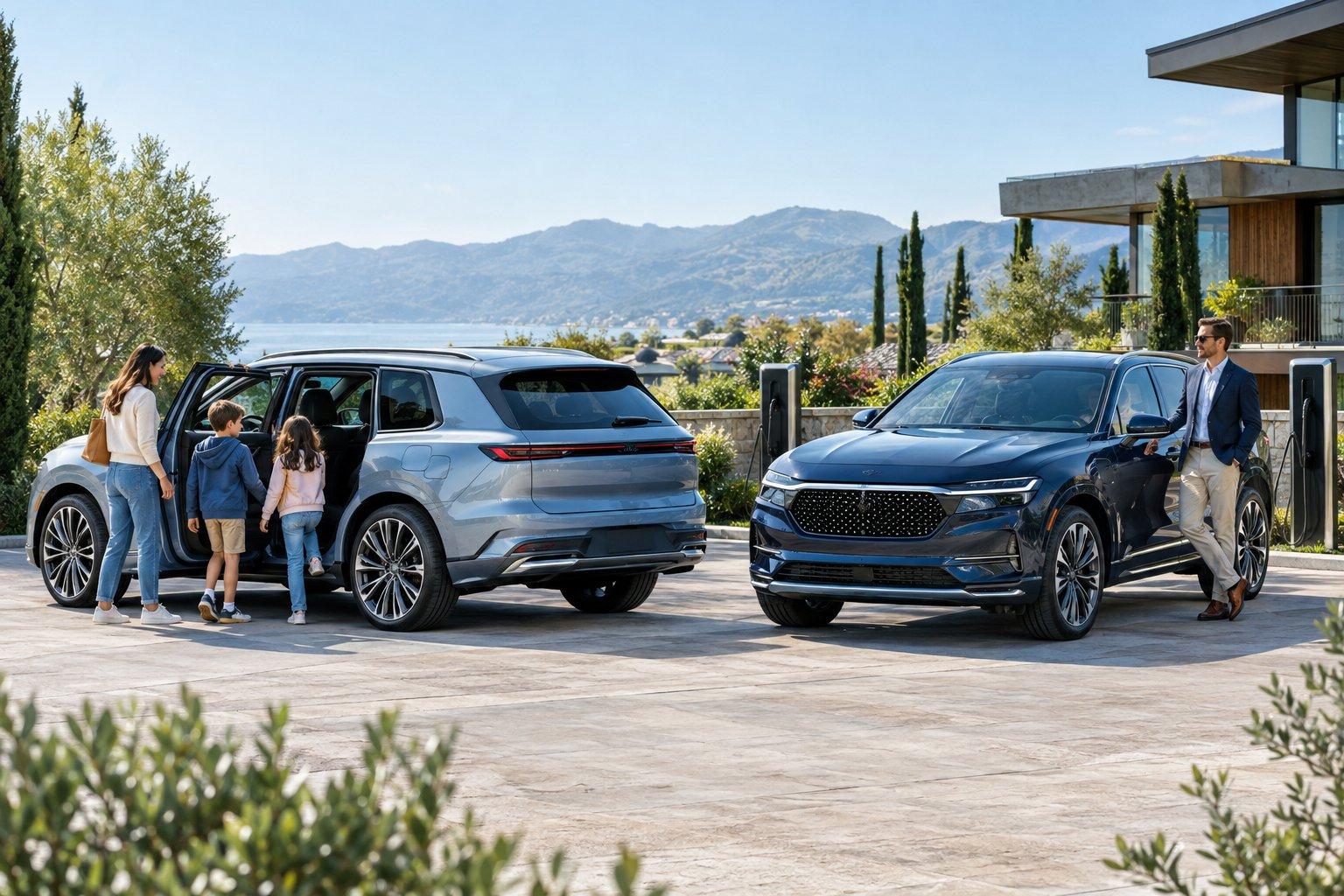
Families get the most from the Hyundai Ioniq 5 for two rows and the Hyundai Ioniq 9 for three. Luxury buyers should start with the Lucid Gravity and the 2027 Rivian R2.
Practical Crossovers and Three-Row Options
For a family of four, the Ioniq 5 covers most needs with sliding rear seats and a flat floor. Car seats go in easily, and the cargo area handles strollers and groceries.
If you need a third row, compare these two:
- 2026 Hyundai Ioniq 9: KBB’s top electric SUV at 4.8 out of 5. It starts near $60,605 with 311 to 335 miles of range.
- 2026 Kia EV9: Starts near $56,545 with 230 to 304 miles. A new GT model aims for over 500 horsepower.
The Ioniq 9 has more range in every version. The EV9 costs less to start. Bring your car seats to the test drive and check how easy the third row is to reach with them installed.
The 2026 Subaru Trailseeker, near $41,445 with up to 281 miles, is worth a look if you drive dirt roads.
Luxury SUVs Worth Comparing
The Lucid Gravity scored a perfect 10.0 from U.S. News, the best luxury electric SUV on its list. Lucid quotes up to 450 miles of EPA range, seating for seven, and up to 120 cubic feet of cargo space, all varying by trim. It can add 200 miles in under 11 minutes on the right charger. Leases for the Touring start at $749 a month.
The 2027 Rivian R2 brings Rivian’s adventure style to a smaller, cheaper package. KBB rates it 4.9 out of 5 as its top luxury electric SUV. It starts near $55,485 with 330 miles of range and tows 4,400 pounds with the tow package.
Which Electric Trucks Make the Most Sense?
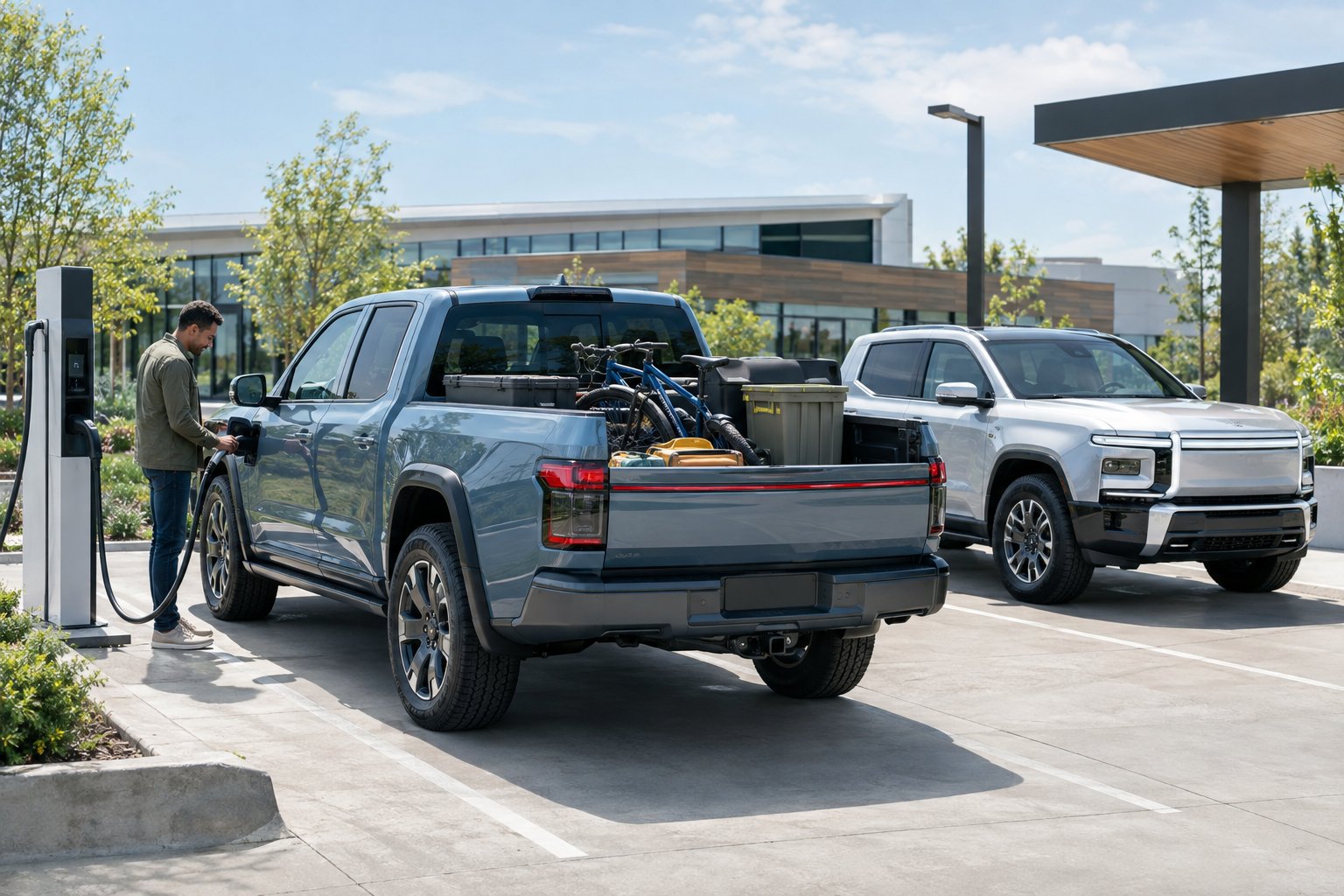
Pick the Rivian R1T if you want a fun, versatile truck, and the 2026 Chevrolet Silverado EV if you need maximum range and full-size utility. U.S. News scores the R1T and GMC Sierra EV tied at 9.2 out of 10 as the top electric pickups.
Rivian R1T for Versatility and Adventure
The R1T feels more like a quick SUV with a bed. Storage spots like the gear tunnel behind the cab make it easy to stash tools and camping gear.
Towing is strong but depends on setup. Gen 2 trucks with the Max battery tow up to 11,000 pounds, while Standard and Large batteries top out at 7,700. You need a weight-distributing hitch to hit those figures; without one, the limit is 5,000 pounds.
Towing cuts any EV’s range sharply, so plan charging stops closer together when you pull a trailer.
2026 Chevrolet Silverado EV for Range and Truck Utility
The Silverado EV is the range leader among full-size electric trucks. Chevy lists up to 478 miles of GM-estimated range, a $55,895 starting price, and up to 12,500 pounds of towing. A 350 kW fast charger adds about 120 miles in 10 minutes.
It also works as a mobile power source, with up to 11 outlets and 10.2 kW of power for tools or campsites. When properly equipped, it can power your home during a blackout.
Check the trim before you buy. Chevy’s trailering chart shows the Max Range LT tows 7,000 pounds while the Extended Range LT reaches 12,500. The longest-range truck is not the best towing truck.
How Should You Compare EVs Beyond the Rankings?

Compare EVs on how you drive, where you charge, and what you will pay over time. Rankings disagree because each publisher weighs things differently. Kelley Blue Book editors drive each car and rank it against its class on features, comfort, value, and range. Consumer Reports blends its own road tests with owner-reported reliability, satisfaction, and safety. That is why one list may crown the Ioniq 6 and another the Charger Daytona.
How Much Range Do You Really Need?
Most EVs cover 250 to 350 miles on a charge. Consumer Reports’ 70-mph highway tests found some fall up to 50 miles short of their EPA estimates, while others beat them.
Use this rule: take your longest regular day, double it, and buy at least that much range. Cold weather and highway speed both cut range. If you road-trip often, the longest-range electric cars like the Lucid Air save you stops.
What Should You Check About Charging and Efficiency?
Home charging is the biggest convenience factor. The Department of Energy notes that most EV owners charge at home, with public stations filling gaps. A 240-volt Level 2 charger in your garage makes almost any EV easy to live with.
If you rent or live in a condo, read the federal guide to charging at multifamily buildings before you buy, and ask your landlord about outlets.
For efficiency, look at MPGe. It shows how far a car goes on energy equal to one gallon of gasoline. Higher is cheaper to run. Also check whether the car has a NACS port for Tesla Supercharger access.
How Do Safety, Driver Assistance, and Ownership Costs Compare?
Look up crash results in NHTSA’s 5-Star Safety Ratings, which cover frontal, side, and rollover tests. Then check which driver assistance features are standard. Some EVs include adaptive cruise and lane centering on every trim, while others charge extra.
For costs, factor in insurance, tires, and electricity rates. Heavy EVs wear tires faster. The federal credit ended for cars acquired after September 30, 2025, so ask about state rebates and maker offers.
One caution: an HEV, or standard hybrid, runs on gasoline and cannot plug in. If you see hybrids mixed into luxury electric cars lists, sort them out before you compare.
Choosing the EV That Fits Your Life
The best electric vehicles for you match your daily miles, your charging setup, and your budget. For most buyers, the Ioniq 5 hits that balance. Commuters get the most from the Model 3 or Ioniq 6, while budget shoppers should start with the Bolt and Leaf.
Families needing three rows should drive the Ioniq 9 and EV9 back to back. Luxury buyers who road-trip should test the Lucid Air or Gravity. Truck owners should pick the R1T for versatility or the Silverado EV for range, and match the trim to the trailer.
Before you sign, confirm your home charging plan, check the exact trim’s EPA range, and ask the dealer for current local incentives.
Category: Vehicle Reviews
Related Posts
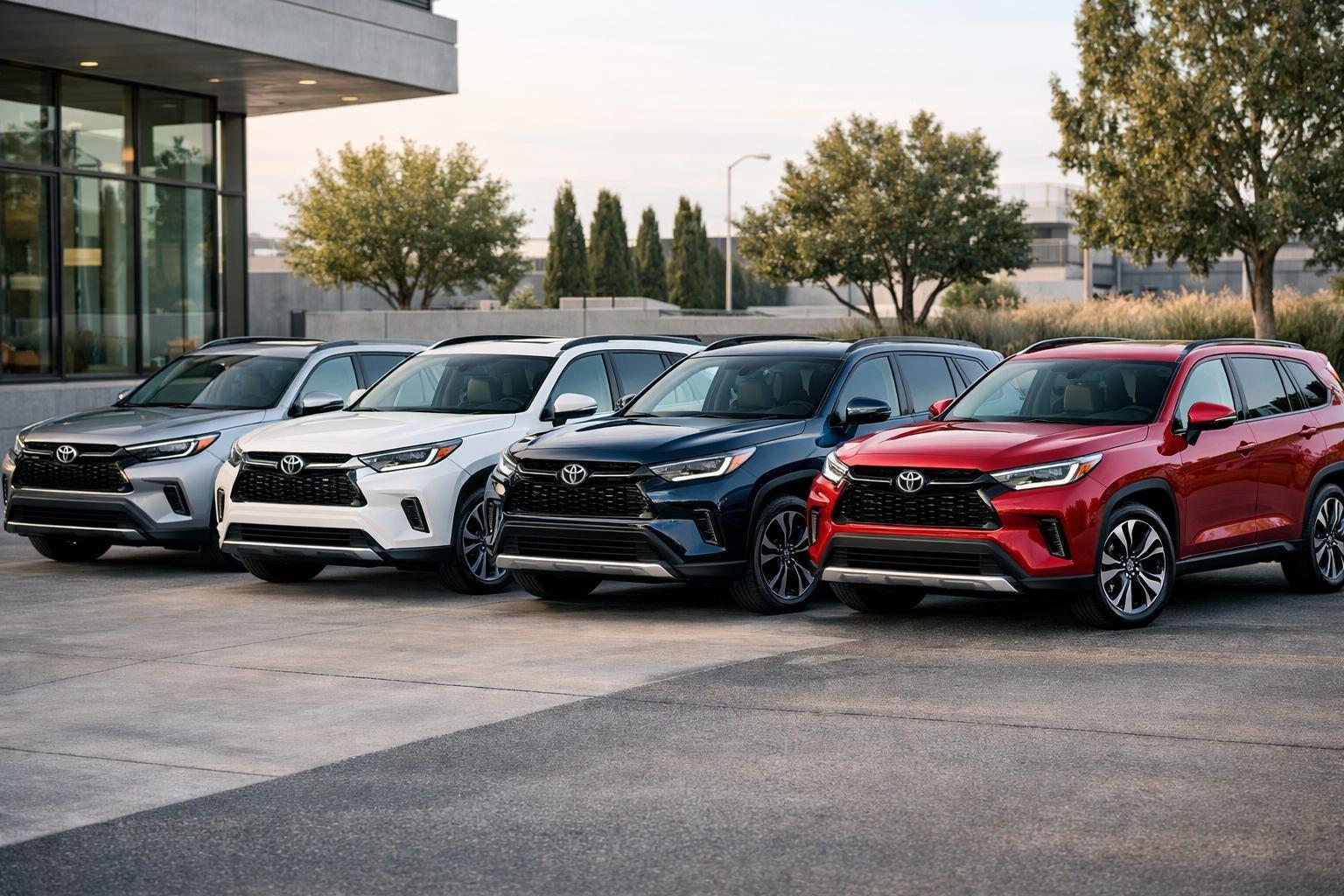
Toyota Grand Highlander Hybrid Trim and Feature Guide
If you're hunting for a three-row hybrid SUV that actually…
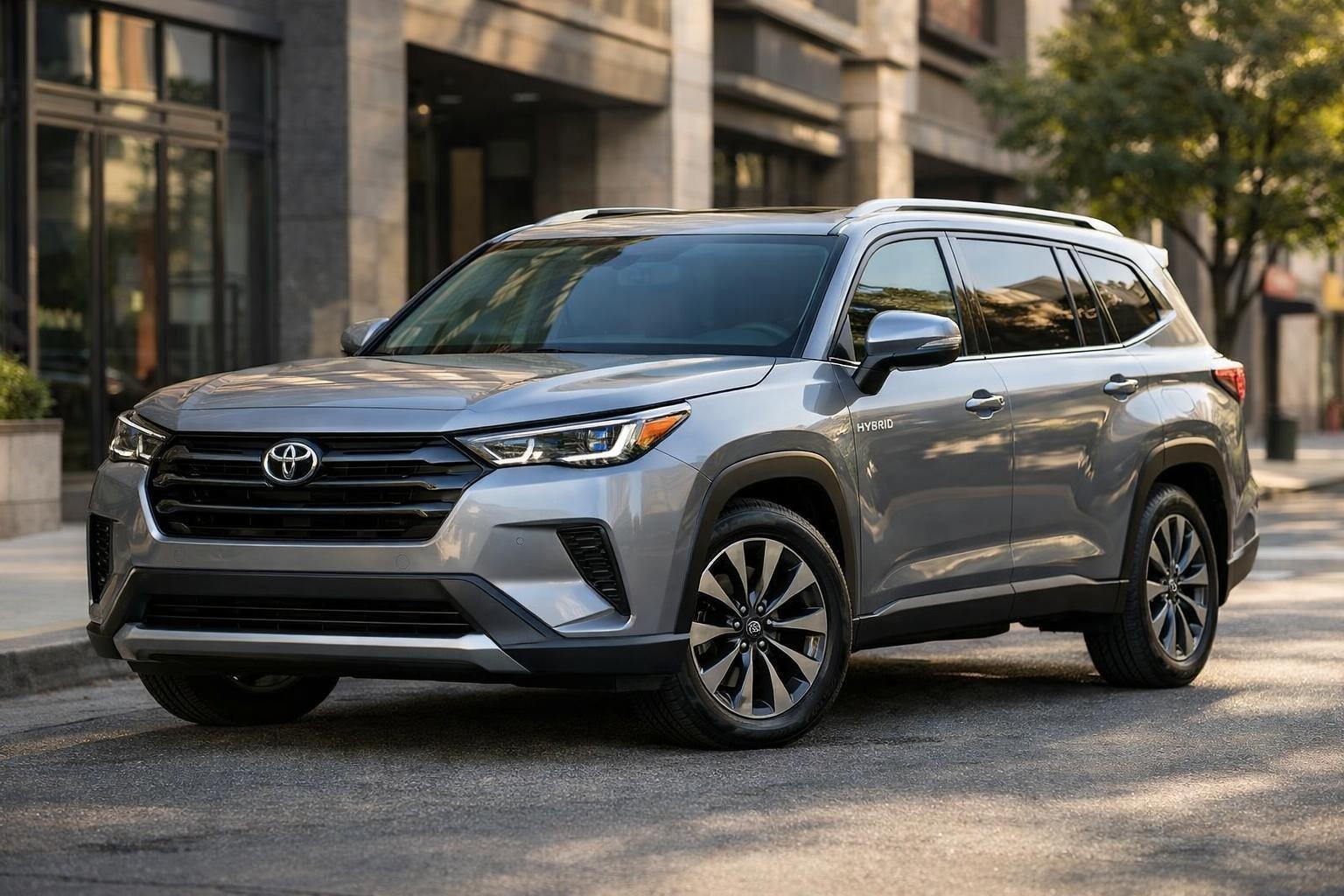
Toyota Grand Highlander Hybrid Problems: What to Watch
Thinking about a Toyota Grand Highlander Hybrid? Or maybe you…