If you have properly maintained the battery (and the vehicle in general), you should seldom…
6 April, 2026
0 Comments
1 category
Your car battery does more than just start your engine. It powers your lights, radio, and other electrical systems while keeping your vehicle running smoothly.
Without proper care, a battery that’s supposed to last three to five years might give up in just two years or less. That’s a headache nobody wants.
Regular maintenance can prevent unexpected breakdowns and extend your battery’s lifespan, saving you money and hassle on the road. Many drivers skip simple things like cleaning terminals or checking fluid levels until they’re stuck with a dead battery.
Taking care of your car battery really isn’t rocket science. You don’t need fancy tools or special skills.
This guide is here to walk you through the basics of keeping your battery healthy. You’ll find practical steps, warning signs, and what to do if things go south.
Whether you drive every day or your car sits for weeks at a time, these tips can help you dodge expensive replacements and keep your ride ready to go.
Understanding Car Battery Maintenance
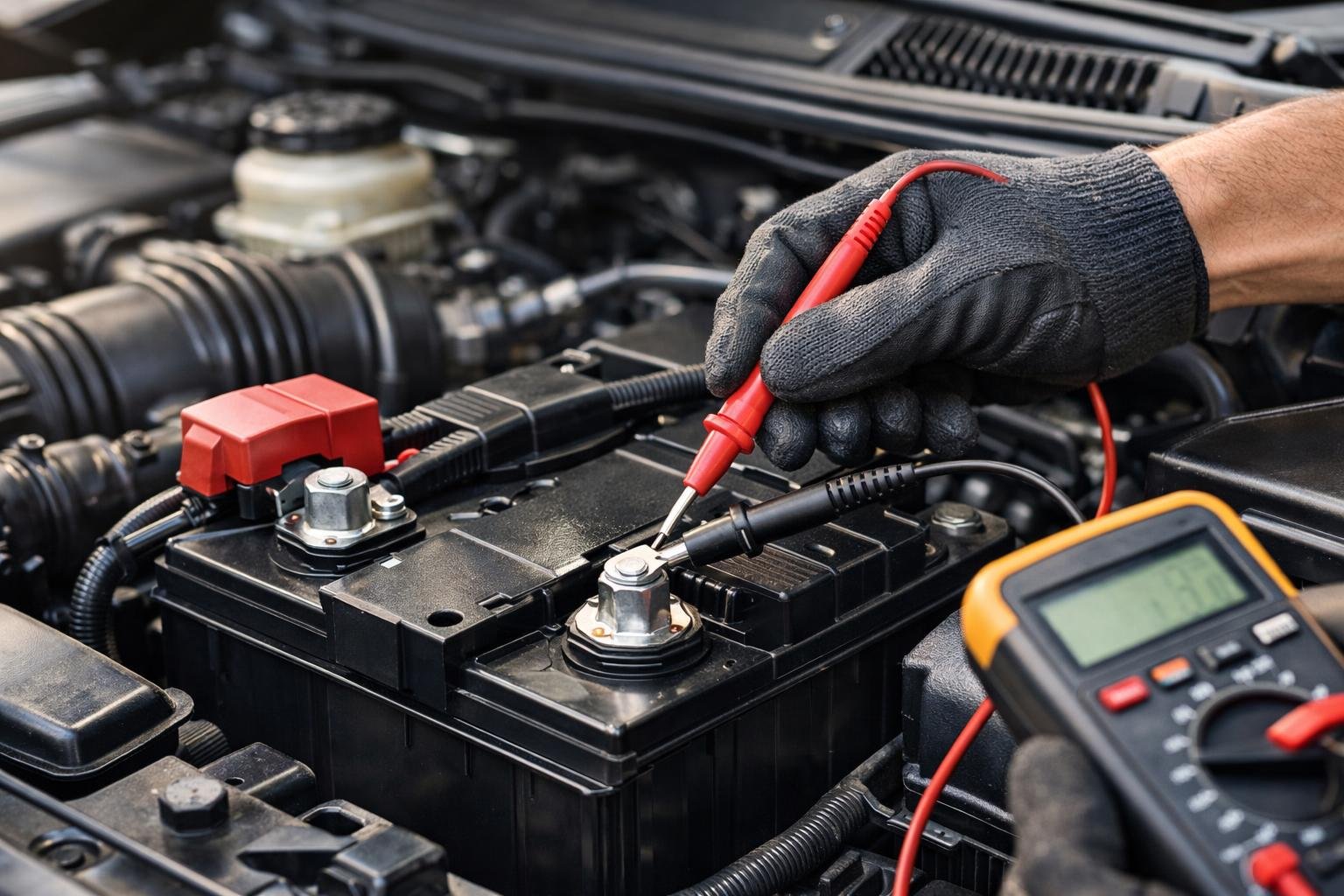
Car batteries need a bit of regular attention if you want them to last. Most will give you three to five years, but that’s only if you treat them right.
Why Battery Maintenance Is Crucial
Proper maintenance can extend the life of your battery and help you avoid getting stranded. If you ignore it, your battery might lose capacity much faster and let you down at the worst moment.
A neglected battery can struggle to start your car, especially in extreme weather. Cold drains its power by up to 50%, and heat can actually evaporate the fluid inside lead-acid batteries.
When your battery is struggling, it puts extra strain on things like your alternator and starter motor. That can snowball into even pricier repairs.
Just checking your battery monthly—cleaning terminals, testing voltage—can add months or even years to its life. It really doesn’t take long.
How Car Batteries Work
Your car battery stores electrical energy and delivers it when you turn the key. Most cars use a 12-volt lead-acid battery that gives the engine that first jolt to get going.
Once the engine’s running, the alternator recharges the battery. This cycle repeats every time you drive, and the battery also powers things like lights and radio if the alternator can’t keep up.
Inside, lead plates and sulfuric acid react to create electricity. A flooded battery has liquid electrolyte covering the plates entirely.
If your charging system isn’t working right—say the alternator fails or connections get corroded—the battery won’t recharge as it should. That drains its power and shortens its lifespan, sometimes a lot.
Types of Car Batteries
Flooded lead-acid batteries are the old standby. They’re affordable and common, but you have to check and top off the water levels now and then. They’re fine for most basic cars.
AGM (Absorbent Glass Mat) batteries are pricier but don’t need maintenance. They handle tough weather better and tend to last longer. You’ll find them in a lot of luxury cars or vehicles loaded with electronics.
Lithium-ion batteries are what you’ll see in electric and hybrid vehicles. These can last eight to fifteen years, but they require special care and cost a lot more to replace.
Brands like Interstate Batteries offer all three types. Your choice really depends on your car’s needs, the climate where you live, and your budget. Always check your owner’s manual before buying a new one.
Routine Car Battery Maintenance Best Practices
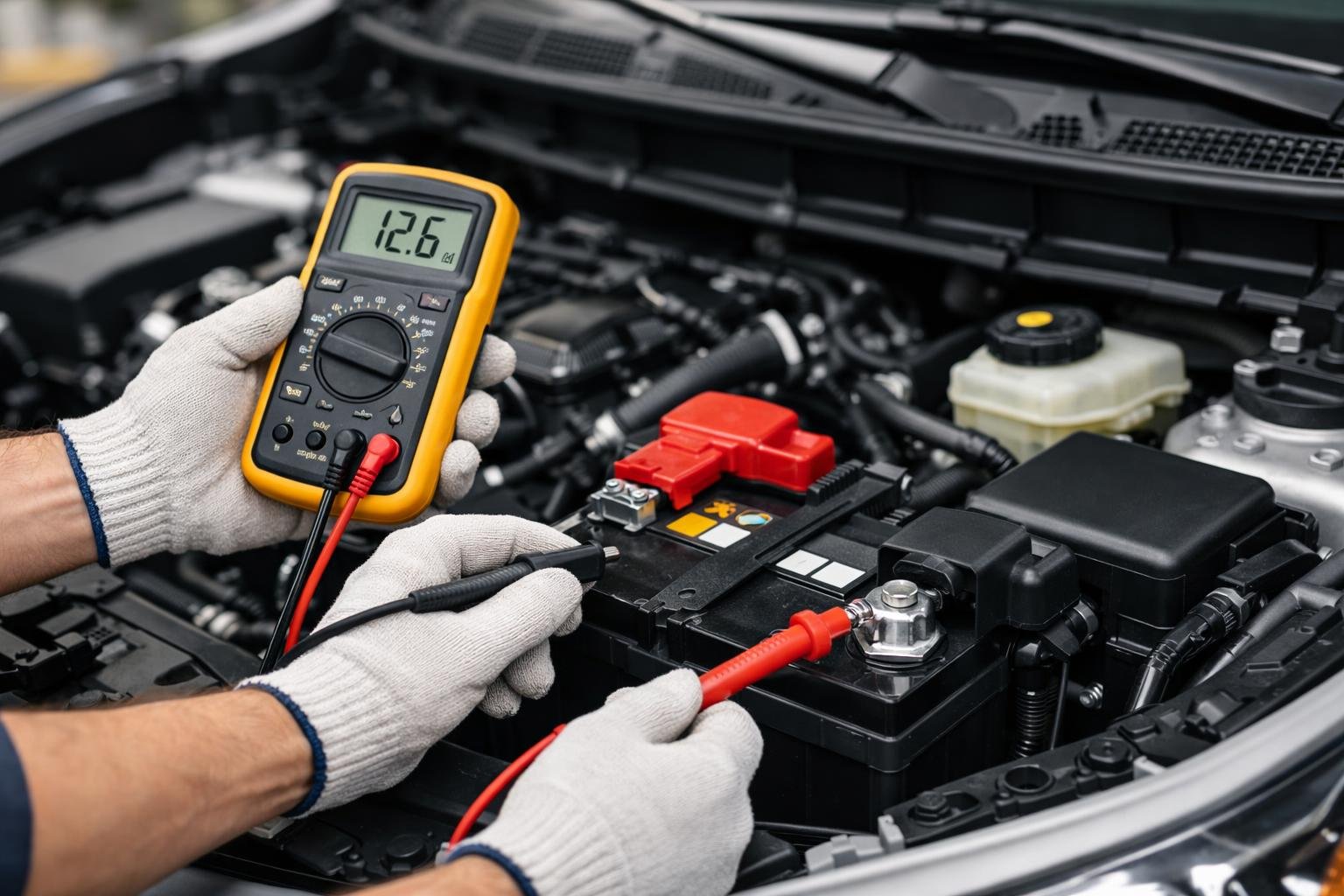
Basic battery care means keeping terminals clean, checking fluid, making sure the battery’s held down tight, and keeping connections free from corrosion. These habits can help your battery last 5 to 7 years and save you from surprise breakdowns.
Regular Inspection and Cleaning
Take a look at your battery every six months for any signs of trouble. Cracks, bulges, or a bloated case mean it’s time for a replacement—don’t wait on that.
What to check during inspection:
- Damage to the battery case
- Corrosion on terminals
- Loose or frayed cables
- Leaking fluid
Corrosion hurts performance, so clean it off. Mix baking soda and water for a cleaning solution. Always wear goggles and gloves—battery acid isn’t friendly.
Start by disconnecting the negative terminal (turn the bolt counterclockwise), then the positive (usually marked red). Use a hard-bristle brush dipped in your cleaning mix to scrub both terminals. Wipe everything down with a wet rag before hooking it all back up.
Checking Battery Fluid Levels
Some newer batteries still need their fluid levels checked. Unscrew the vent caps and peek inside with a flashlight. Fluid should cover the plates completely.
If it’s low, add distilled water until it just reaches the bottom of the refill holes. Skip tap water—minerals in it can mess up your battery.
Try to check battery fluid levels every oil change or at least every six months. If you spill, wipe it up with a clean rag and make sure the caps are tight when you’re done.
Ensuring Secure Mounting
A loose battery can vibrate and wear out faster. Pop the hood and see if the battery moves when you nudge it. If it does, the hold-down needs tightening.
Common hold-down types:
| Type | Location | Adjustment |
|---|---|---|
| Bar mount | Across battery top | Tighten bolts on bar |
| Pad mount | Battery base | Tighten base bolts |
Look for bolts holding down your battery. Usually, there’s a bar across the top—just tighten those bolts until the battery doesn’t budge.
If the hold-down is damaged, grab a replacement from the auto parts store. In cold areas, you might want a battery heater or blanket to help you survive winter.
Battery Terminal Maintenance
Keeping terminals clean keeps electricity flowing. After cleaning and reconnecting, spray them with terminal protector to fight off future corrosion. Hold the can about 4 inches away and coat each connection.
When reconnecting, always hook up the positive terminal first. That helps avoid sparks. Make sure everything’s snug and bolts are tight.
Test your battery every six months with a voltmeter. Red leads to positive, black to negative. A good battery should read 12.6 volts or higher. If it’s lower, you’ll want to recharge it soon.
For cars that sit a lot, a trickle charger keeps the battery topped up. Connect the negative lead first, then the positive, and leave it plugged in if the car isn’t being used.
Maximizing Battery Performance and Lifespan
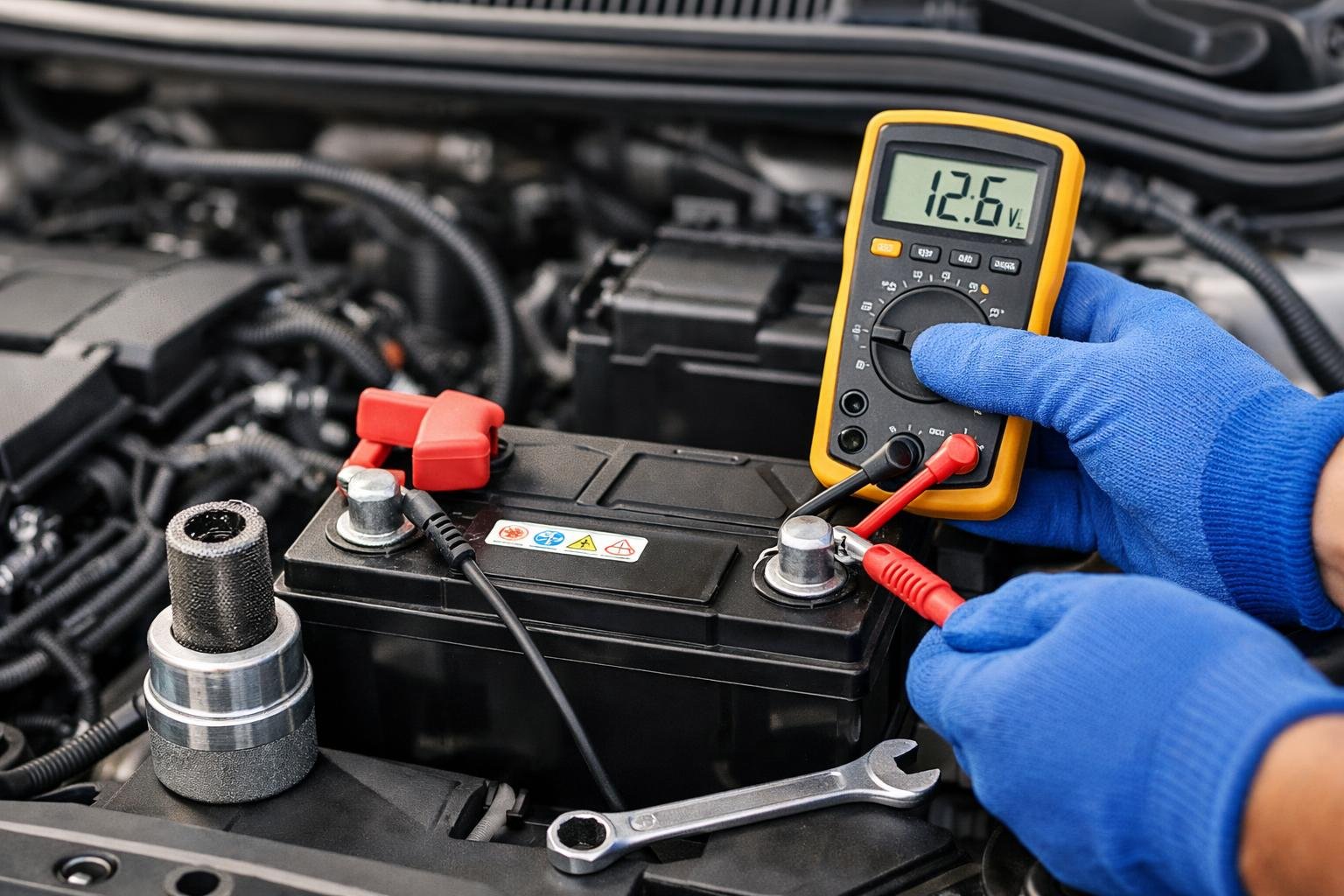
How you drive, where you park, and how you maintain your battery all matter. A few small changes can actually make a big difference in how long your battery lasts.
Driving Habits and Battery Life
Short trips are rough on your battery. Starting the car takes a lot of power, and the alternator needs time to recharge what you used.
If your drives are always five or ten minutes, the battery never gets fully charged. Over time, it just gets weaker. Try to combine errands into longer drives when you can.
Driving at least once a week helps, too. Even when parked, things like the clock and alarm drain a little power.
If your car will sit for a while, disconnect the negative terminal to keep the battery from running down.
Avoiding Extreme Temperatures
Temperature swings are tough on batteries. Heat speeds up chemical reactions inside, which can dry up the fluid and cause damage. Cold slows everything down, making it harder to start your car.
Parking in a garage or at least in the shade helps a lot. If you live somewhere hot, keeping your car out of the sun protects your battery.
Cold weather—especially below freezing—can cut your battery’s power in half. Even a decent battery might struggle in winter if it’s already weak. Parking indoors or using a battery insulation kit can help.
Charging and Maintenance Devices
Trickle chargers and battery maintainers are handy if your car sits for weeks at a time. They keep the battery charged without overdoing it.
Key differences between chargers:
| Device Type | Best Use | Features |
|---|---|---|
| Trickle Charger | Long-term storage | Continuous low-level charging |
| Battery Maintainer | Seasonal vehicles | Auto shut-off when fully charged |
| Standard Battery Charger | Quick recharge | Fast charging, requires monitoring |
Smart chargers with auto shut-off are probably the safest bet. They stop charging when your battery’s full, so you don’t have to worry about overcharging.
If your car’s parked for more than a couple of weeks, it’s worth using one of these devices.
Preventing Battery Drain
Modern cars always draw a bit of power, even when off. That’s normal, but if something’s draining too much, your battery could die in just a few days.
Always turn off lights, radio, and AC before shutting down. Headlights left on are a classic way to kill a battery.
Stuff like dash cams, GPS units, and phone chargers can also drain power if left plugged in. Unplug them before you park.
Check your battery voltage with a multimeter once a month. Healthy batteries read between 12.6 and 12.8 volts with the car off. If you see anything below 12.4, it’s time for a recharge. Regular voltage checks can save you from getting stuck somewhere.
Identifying Car Battery Problems
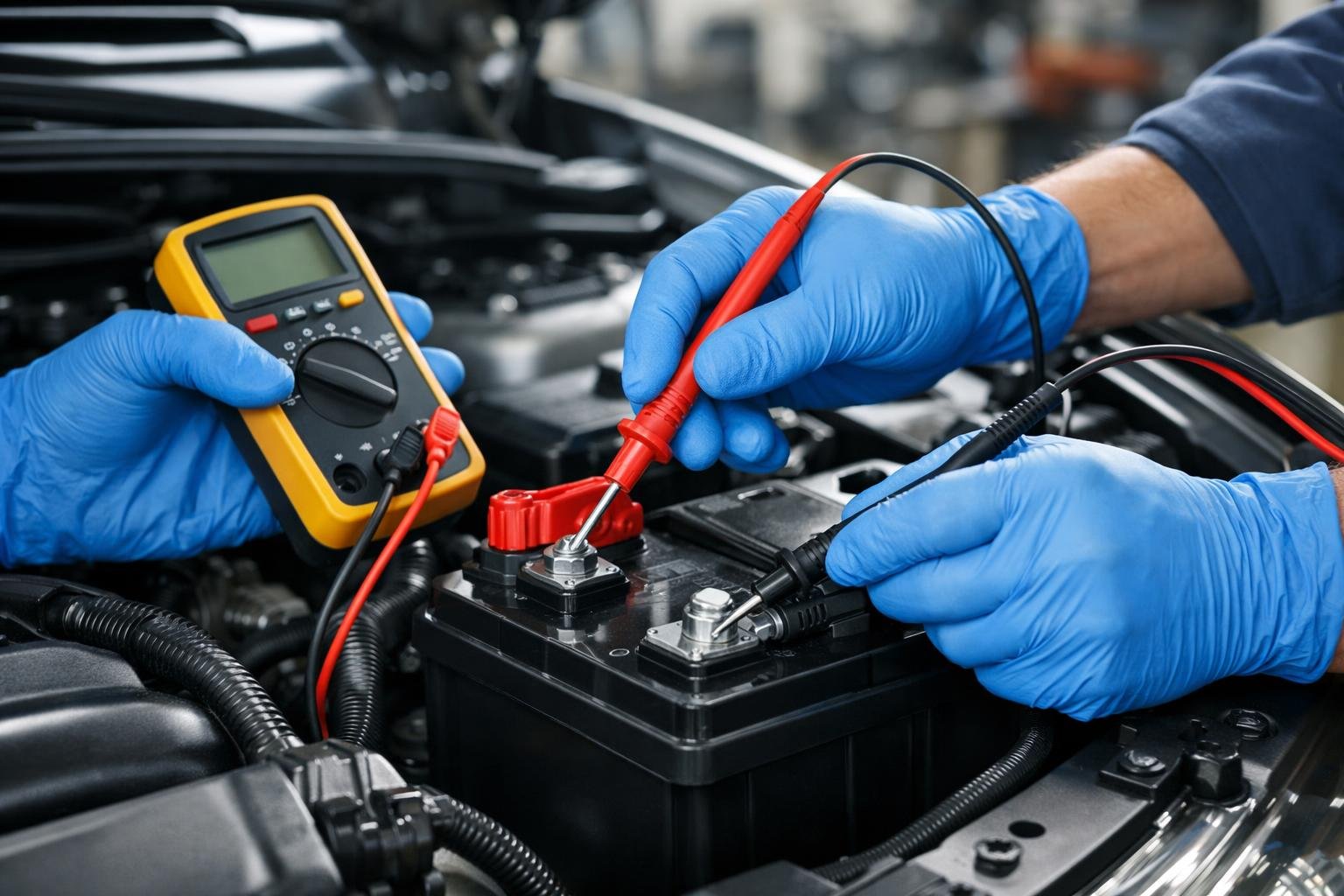
A failing battery gives off warning signs, both physical and electrical. Spotting these early can save you from being stranded and help you fix things before they get out of hand.
Signs of a Failing Battery
Your car will usually drop hints when the battery is on its way out. The clearest sign? The car won’t start or needs a few tries to turn over.
Sometimes you’ll hear nothing but a click when you turn the key. That’s your battery not having enough juice for the starter motor.
A slow engine crank is another big red flag. When you turn the key, the engine should turn over fast and smoothly.
If it sounds sluggish or just drags, chances are your battery’s struggling to deliver enough power.
Dimming headlights when you’re idling or running other electronics can mean weak battery output. Ideally, your lights should stay bright and steady no matter what else you’re using.
Physical and Electrical Symptoms
Battery voltage tells you a lot. A fully charged battery should read at least 12.6 volts with the engine off.
If it drops to 12.0 volts or below, you’ve probably got a dead battery that needs attention ASAP.
Check for these physical issues:
- Corrosion—white or blue-green gunk on the terminals
- Swollen or bulging battery case, often from overheating or overcharging
- Leaking fluid, sometimes with a nasty rotten egg smell
- Loose terminals that wiggle when you touch them
Your alternator should be cranking out between 13.6 and 14.6 volts while the engine’s running. If it’s lower, your charging system might be the real culprit.
Early Warning Indicators
The battery warning light on your dashboard is there for a reason. It’s usually a little battery symbol, and if it stays on while you’re driving, something’s up with the charging system.
Weird behavior from your car’s electronics can also point to battery trouble. Maybe your power windows crawl, your radio keeps losing its presets, or the dashboard lights flicker for no good reason.
Test your battery regularly, especially once it’s three years old. Most batteries last three to five years, so age alone is a pretty big clue.
Testing and Replacing Your Car Battery
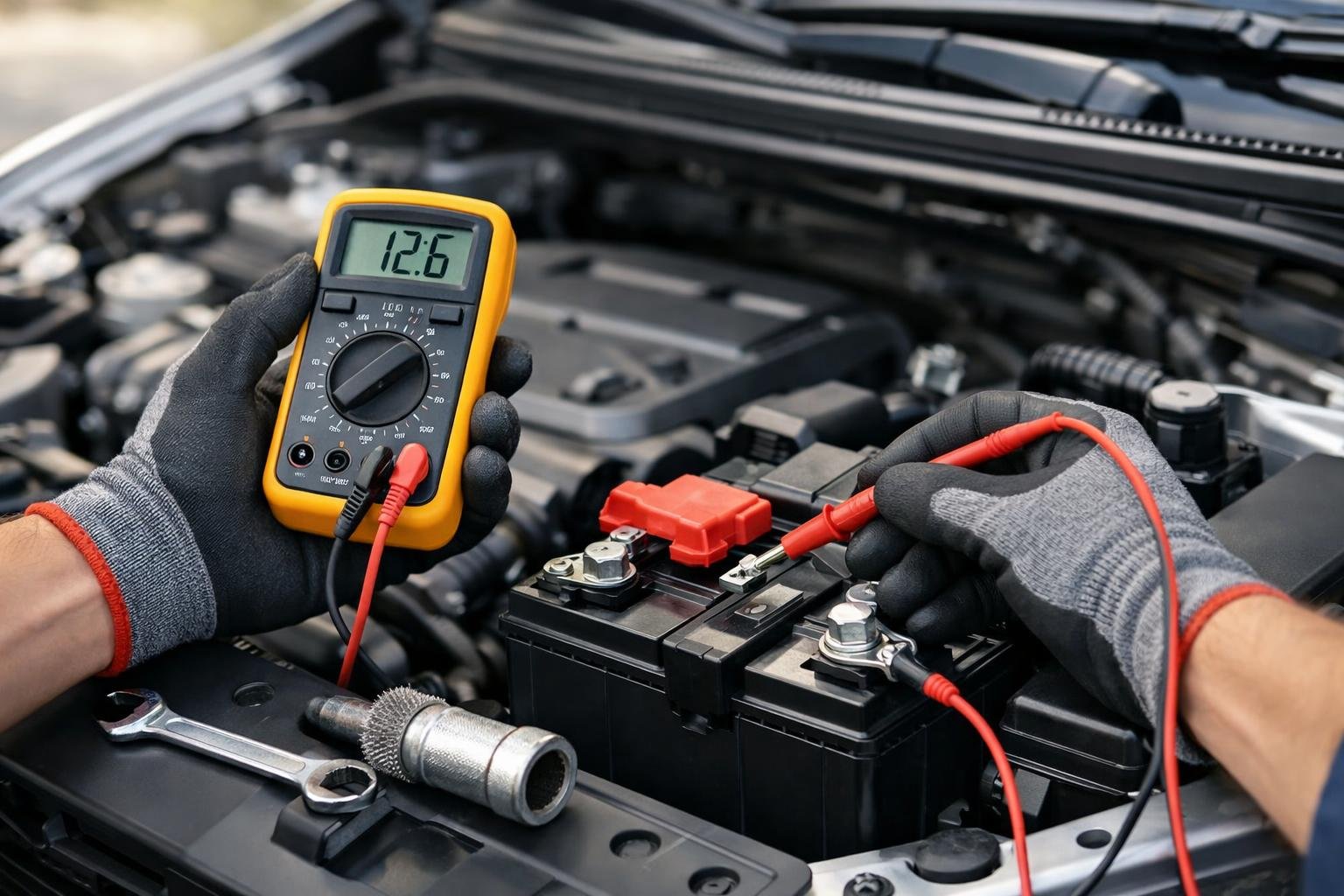
Testing your battery once in a while is honestly just smart. It lets you catch problems before you’re stuck somewhere, and you get to pick when to replace it instead of getting caught off guard.
Battery Testing Methods
There are a few ways to check your battery’s health. The easiest? Grab a digital multimeter and check the voltage.
If you see 12.6 volts or more with the engine off, you’re good. Anything under 12.4 volts means your battery probably needs a charge.
A battery load test gives you a better picture than voltage alone. This test puts the battery under a load and checks if it can hold up.
Most auto parts shops will do this for free, which is handy if you don’t have the gear.
You can also swing by places like AutoZone, O’Reilly, or Advance Auto for free battery testing. They’ll check both the battery and your charging system, and usually hand you a printout with the results.
When to Replace Your Battery
Most car batteries last three to five years, depending on the climate and how you drive. Hot weather actually wears them out faster, even though cold makes starting harder.
Watch for slow cranking, dim headlights at idle, clicking when you turn the key, or that battery warning light. Physical stuff like a swollen case, corrosion, or cracks means it’s probably time.
If your battery tests below 12.2 volts or fails a load test, don’t wait—replace it. Batteries older than four years, especially in hot places, should be checked twice a year before summer and winter roll around.
Choosing the Right Replacement
Your owner’s manual lists what you need—group size, CCA (cold cranking amps), and terminal layout. Get those right, and you’re set.
Always check the date code before buying. You want a battery that’s less than six months old; old stock loses capacity just sitting there.
Budget batteries usually run $100–150, while premium AGM types can hit $200–350. AGM batteries are great for cars with start-stop or lots of electronics, but regular flooded ones are fine for most folks.
Brands like Interstate, Optima, DieHard, and ACDelco are solid picks. Warranties range from a year up to five, with some free replacement and some prorated coverage after that.
Safe Handling and Emergency Preparedness
Working with car batteries isn’t exactly risk-free. You’ve got to know how to protect yourself, handle the battery right, and what to do with the old one so you don’t mess up your car or the environment.
Safety Precautions for Battery Maintenance
Always wear safety goggles and chemical-resistant gloves around car batteries. That sulfuric acid inside is no joke—it’ll burn skin or eyes if you’re not careful.
When removing a battery, disconnect the negative terminal first. It’s a simple trick that helps prevent short circuits and shocks.
When you’re putting it back, connect the negative terminal last. It’s one of those steps that’s easy to forget but actually matters.
Use insulated tools near battery terminals. Metal tools can spark if they bridge both terminals, and that’s a headache nobody needs.
Keep the area well-ventilated—batteries give off hydrogen gas when charging, and it’s super flammable. Not something you want building up in your garage.
Check the terminals for corrosion regularly. Clean them up with a terminal cleaner if you spot buildup, and make sure all connections are snug but not overtightened.
If you’ve got a lead-acid battery, check fluid levels every month. Top off with distilled water if needed—never tap water.
Jump-Starting Procedures
Hook up jumper cables in the right order to avoid sparks or worse. Start by attaching the red cable to the positive terminal of the dead battery, then to the positive on the good one.
Next, connect the black cable to the negative terminal on the good battery. The last black clamp should go to an unpainted metal spot on the dead car’s engine block, not the battery.
This grounding step cuts down on sparks near the battery. Start the working car and let it run for a few minutes, then try starting the dead one.
Once it’s running, take the cables off in the reverse order you put them on. And seriously—don’t lean over the battery while jump-starting. Keep your face and body out of the way, just in case.
Responsible Battery Disposal
Car batteries are packed with lead and acid, which can be pretty nasty for the environment if not handled properly. Seriously, tossing them in the regular trash or abandoning them outdoors is a no-go.
Most states have rules about this stuff—you’re supposed to use proper battery disposal programs run by authorized recyclers.
Got an old battery? Bring it back to an auto parts store or a service center. Most places will take your used battery off your hands, and sometimes you even get a core credit toward your next purchase.
Some towns host hazardous waste collection days where they’ll accept car batteries, too. It’s worth checking if your area does this.
When you’re hauling an old battery, keep it upright in a tough plastic container. That way, if anything leaks, your car interior won’t pay the price on the way to the recycling spot.
Category: Batteries
Related Posts
How to Disconnect a Car Battery
If you have properly maintained the battery (and the vehicle…
How Often to Replace Car Battery
Keeping your car’s battery in good condition is important. Not…