
Winter weather can do a number on your car. If you don’t prep, you might end up stranded—or worse.
Cold temps drain batteries, reduce tire grip, and thicken the fluids that keep your engine humming. Knowing how to winterize your car means checking your tires, battery, fluids, and safety gear so you can count on your ride when it’s freezing out.
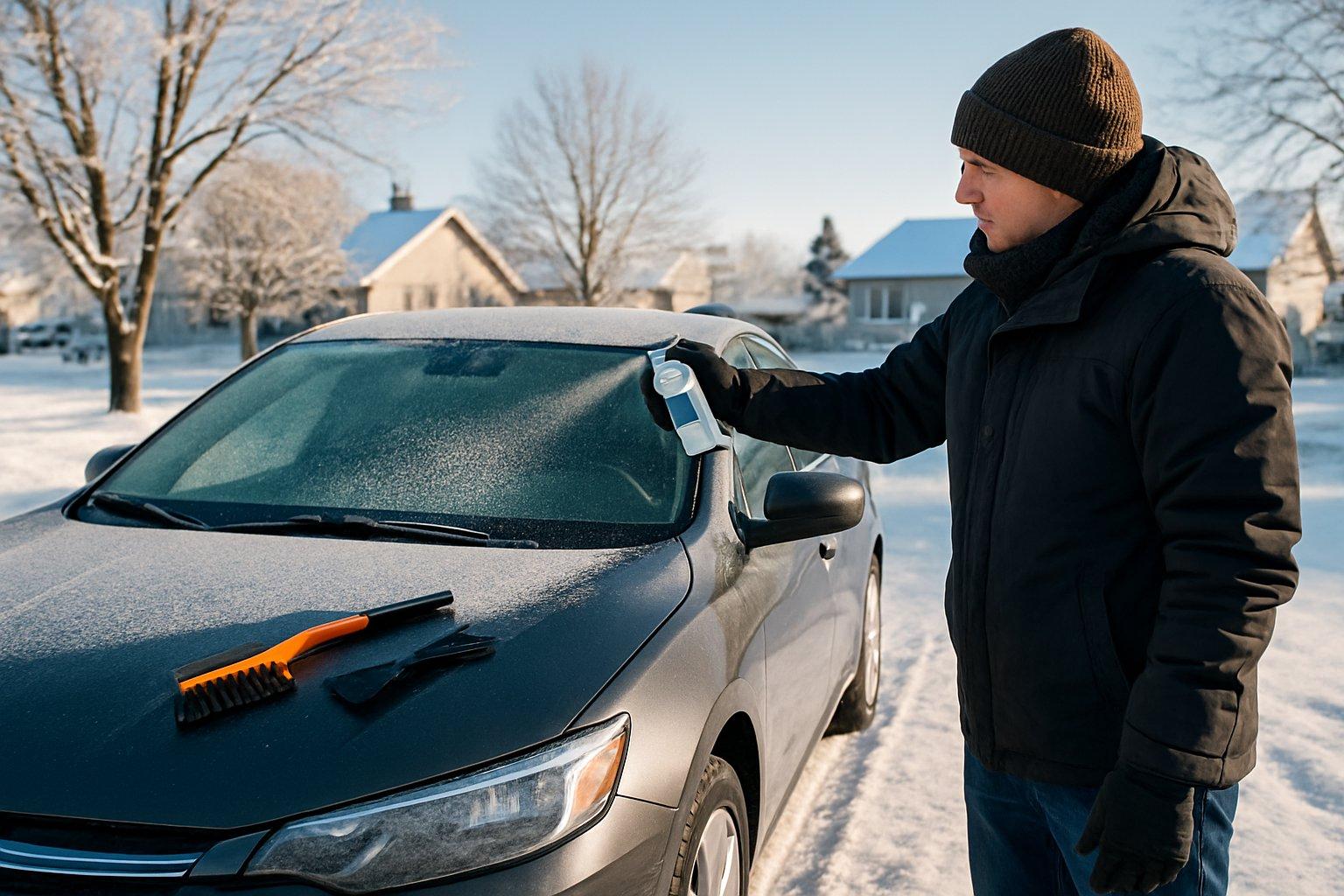
Here’s how I get my car ready for winter. We’ll talk tires, batteries, emergency supplies, and even a bit about keeping your paint from getting trashed by salt.
Most of these steps are quick, and you can do them at home. A little effort now beats getting stuck somewhere cold or shelling out for repairs later.
Inspect and Prepare Your Tires
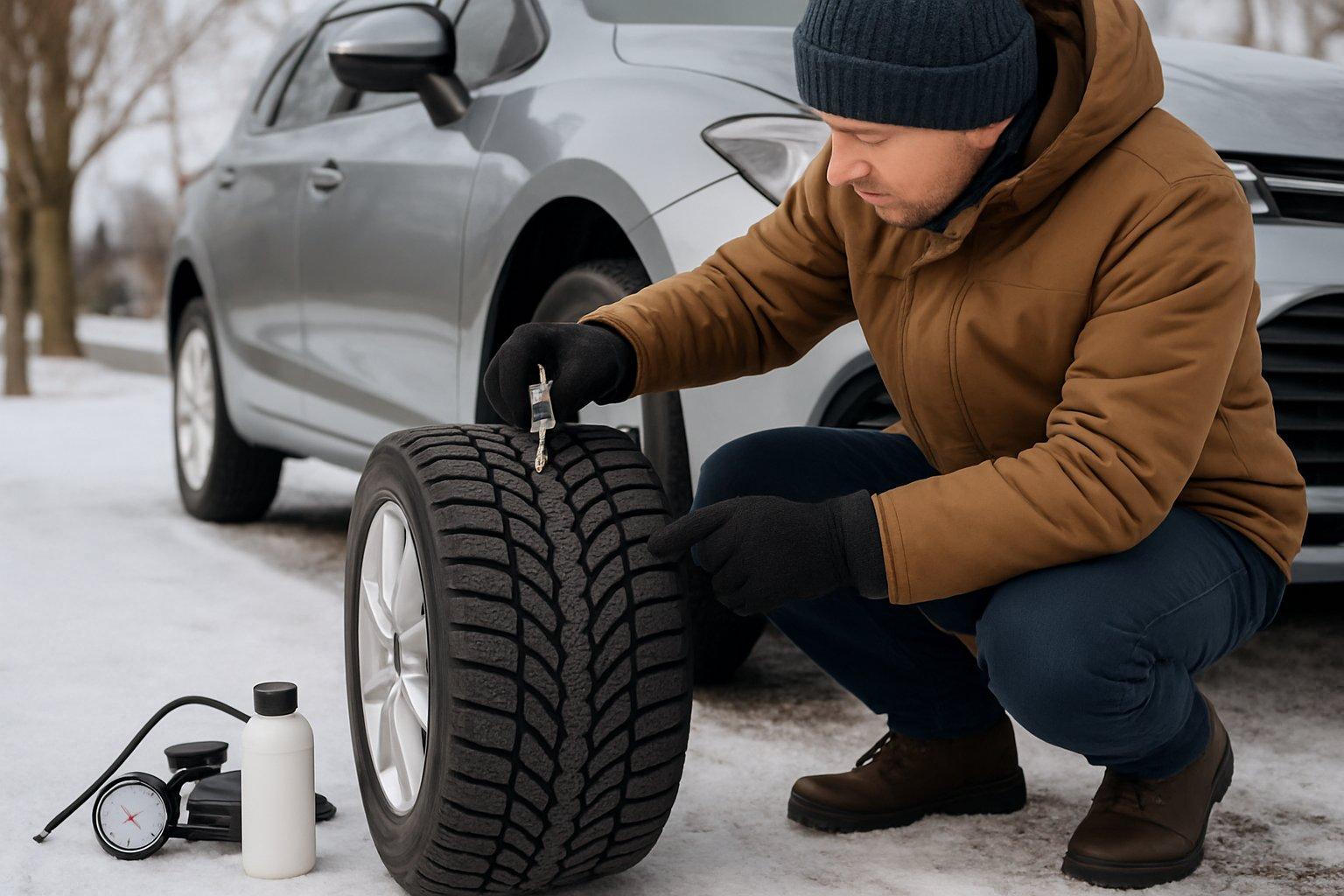
Tires are your only connection to the road, so they matter a lot in winter. When it gets cold, traction drops, pressure changes, and you really want deeper treads for snow and ice.
Switching to Winter Tires
If you get regular snow and ice, I’d swap to winter tires. Winter tires don’t harden in the cold like all-seasons do, so they grip better when it’s slick.
The rubber stays flexible, and the tread is deeper and more aggressive—great for biting into snow and pushing away slush.
Key differences between tire types:
- Winter tires: Soft compound, deep treads, best for snow/ice
- All-season tires: Moderate compound, good for mild winter conditions
- Summer tires: Hard compound, should be avoided in winter
If heavy snow isn’t common where you live, decent all-seasons might be fine. Still, get them checked out before winter hits.
And whatever you do, put winter tires on all four wheels. Mixing types just messes with your traction and handling—definitely not worth the risk.
Checking Tire Tread Depth
Tread depth is a big deal in winter. Worn tires just can’t hold the road when it’s wet or icy. The penny test works: stick one in the tread with Lincoln’s head down.
If you see the top of his head, those tires are toast. For a more exact check, grab a tread depth gauge—it’s cheap and easy.
Minimum tread depths:
- All-season tires: 4/32 inch for winter driving
- Winter tires: 6/32 inch for optimal performance
- Legal limit: 2/32 inch (too worn for winter safety)
I also run my hand over each tire for weird wear, bumps, or rough patches. That could mean an alignment issue or hidden damage.
Replace tires with uneven wear, cracks, or bulges. Even if the tread looks okay, old rubber can get hard and lose grip.
Monitoring Tire Pressure
Tire pressure drops fast when it’s cold. For every 10 degrees Fahrenheit you lose, pressure drops by about 1 psi.
Check your pressure monthly in winter, ideally when the tires are cold. The right number is in your manual or on the door sticker.
Why proper pressure matters:
- Underinflated tires: Poor traction, extra wear, lousy gas mileage
- Overinflated tires: Smaller contact patch, rough ride, uneven wear
I adjust pressure as temps change, not just when the warning light comes on. Those sensors only go off if you’re way under the recommended level.
Keep a decent gauge in your glovebox—gas station ones are usually off. I always check before long drives.
Nitrogen fills are an option too. They hold pressure more consistently when temps bounce around, though honestly, regular air is fine for most folks.
Evaluate Battery and Electrical Systems
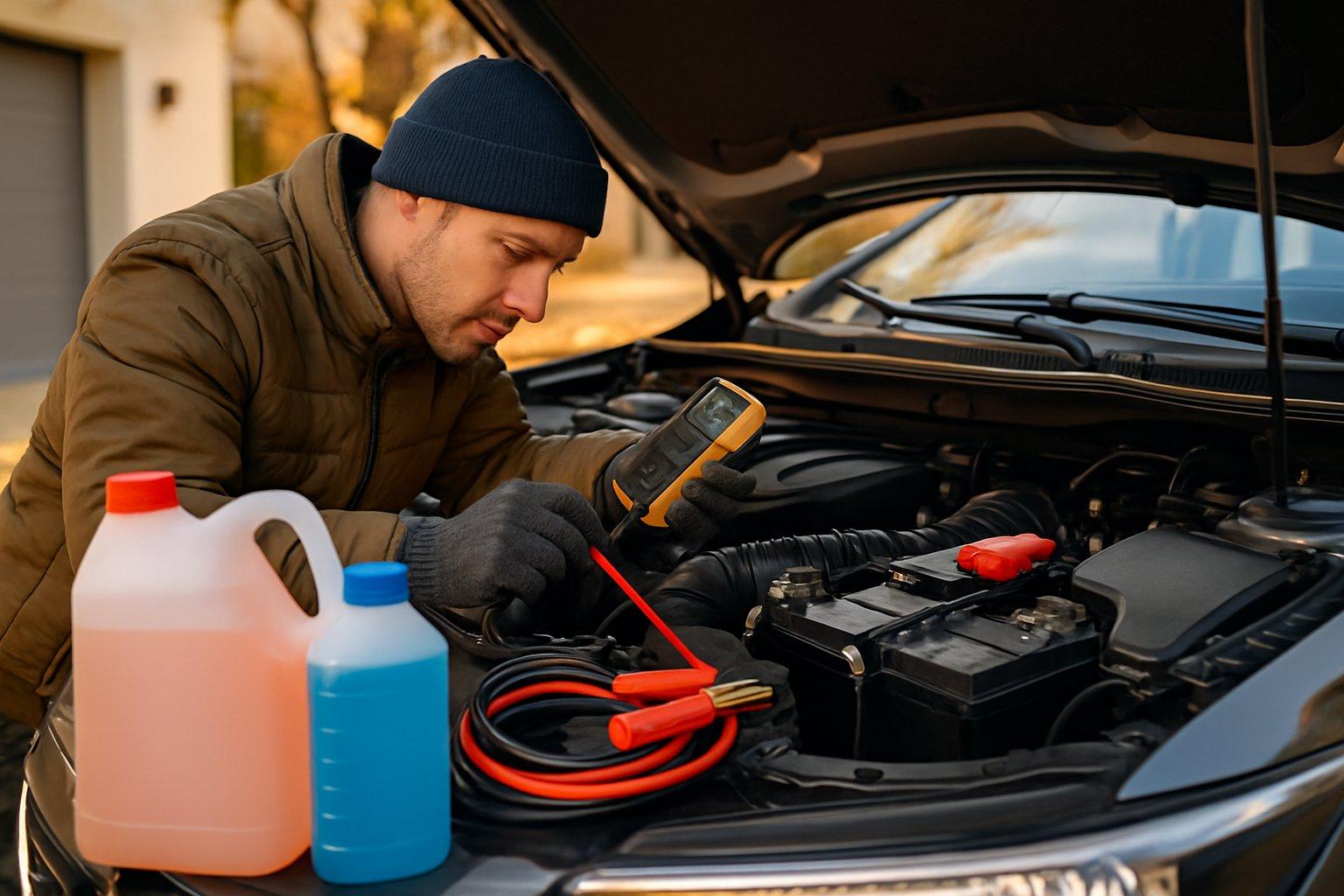
Cold weather is rough on batteries and electrical stuff. I always test my battery, clean the terminals, and if it’s over three years old, I just swap it out before winter.
Testing Battery Health
I start with a quick voltage check using a multimeter. You want 12.6 volts with the engine off, and 13.7 to 14.7 volts when it’s running.
Most auto parts stores will test your battery for free. Their testers check cold cranking amps (CCA), which is what really matters when it’s freezing.
Look for any cracks, bulges, or leaks on the battery case—those are bad news.
Warning signs to watch for:
- Slow cranking
- Dim headlights
- Dashboard warning lights
- Clicking when you try to start
If your battery’s more than three years old, definitely get it tested. Cold makes batteries work way harder, and old ones can die without warning.
Cleaning Battery Terminals
Corroded terminals can leave you stranded. I clean mine every few months, and always before winter.
Disconnect the negative cable first, then the positive. Use a wire brush or a battery cleaner to scrub away any white, green, or blue gunk.
My cleaning process:
- Mix a bit of baking soda with water
- Scrub the terminals with it
- Rinse with clean water
- Dry with a rag
- Rub on a little petroleum jelly to keep corrosion away
I wear gloves and glasses—battery acid is nasty stuff.
Reconnect the positive cable first, then the negative. Tighten, but don’t go overboard.
Replacing Older Batteries
If my battery’s over three years old, I don’t wait for it to fail. Winter is not the time for battery roulette.
I check the manual for the right group size and CCA rating, then pick one with more CCA if I can.
I keep jumper cables in the trunk just in case. Even new batteries can struggle if it’s brutally cold.
Battery replacement checklist:
- Exact group size
- Higher CCA than the minimum
- Good warranty
- Check the manufacture date—newer is better
Auto parts stores recycle old batteries, and sometimes give you a credit for bringing one in. I always take advantage of that.
Maintain Vital Fluids
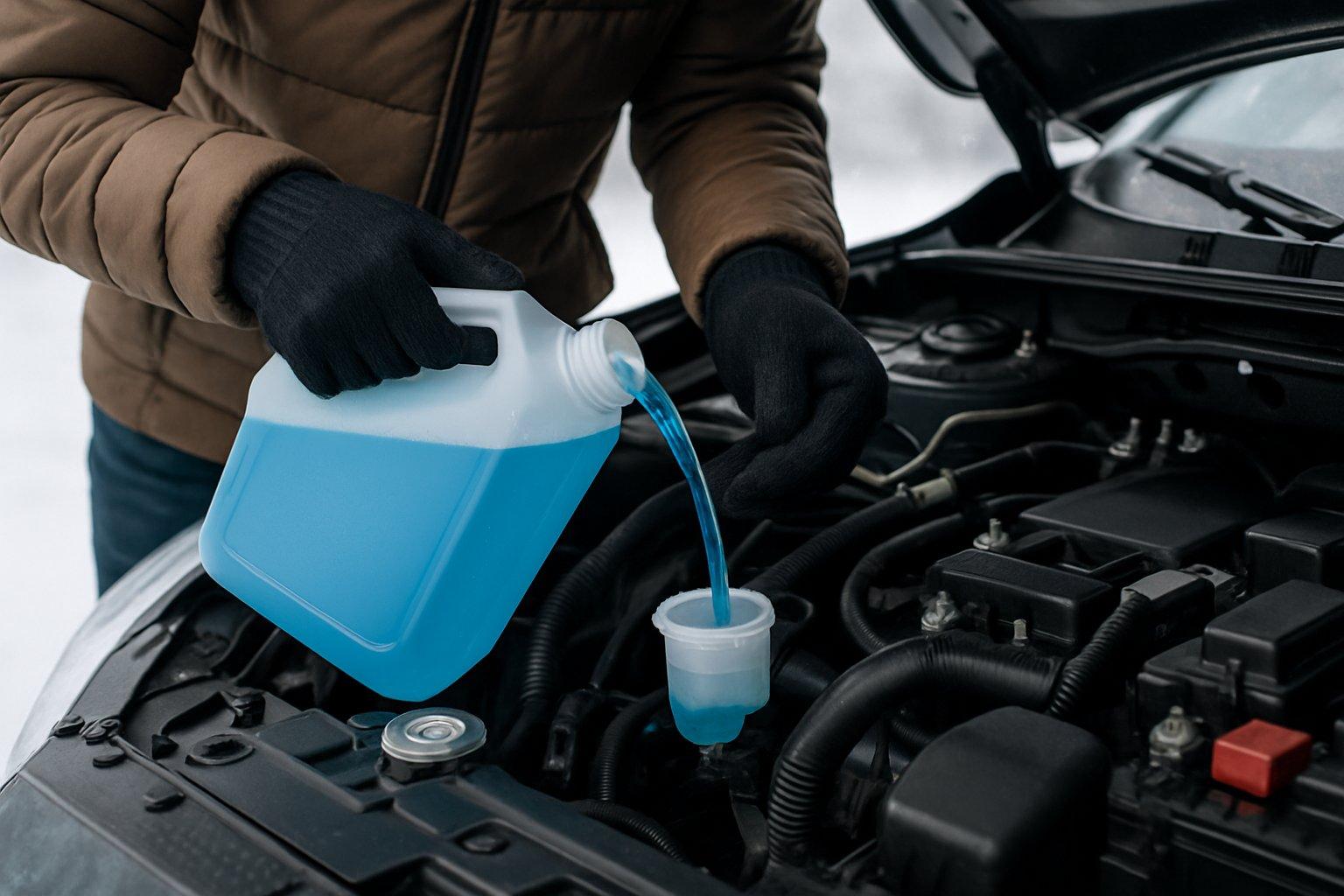
Fluids behave differently when it’s cold. I check my coolant, switch to winter oil, and make sure my washer fluid won’t freeze.
Ensuring Proper Coolant and Antifreeze Levels
Before it gets below freezing, I check my coolant. Winter driving is tough on your car’s fluids, so don’t skip this step.
The reservoir should be between the min and max marks when the engine’s cold. Never pop the radiator cap on a hot engine—seriously.
Proper coolant mix:
- 50/50 antifreeze to water: Good to -34°F
- 60/40 antifreeze to water: Down to -62°F
- 70/30 antifreeze to water: Down to -84°F
Test freeze protection with a hydrometer or test strips. If the coolant looks rusty or has gunk floating in it, flush the system.
I change coolant every 2-3 years, or whatever the manual says. Old coolant can’t protect against freezing or corrosion.
Changing Engine Oil for Winter
Oil thickens up in the cold, so it doesn’t flow as well. I switch to winter-grade oil before it gets consistently below freezing.
Winter oil viscosity:
- 0W-20: For temps below -10°F
- 5W-30: Works for most winters
- 10W-30: Fine if it’s not that cold
Check your manual for what the manufacturer recommends. The wrong oil weight can mess with your engine or fuel economy.
Synthetics flow better in the cold, so I use them when possible. They hold up even when it’s really frigid.
Swap the oil filter when you change oil. A clogged filter plus thick oil is asking for trouble.
Refilling Windshield Wiper Fluid
Regular washer fluid freezes at 32°F and can crack your reservoir or lines. I always use winter wiper fluid with antifreeze agents.
Winter wiper fluid:
- -20°F rated: Fine for moderate cold
- -25°F rated: Better if it gets really cold
- -40°F rated: For those brutal winters
Drain out old fluid before adding winter stuff. Mixing them weakens the freeze protection.
Fill the reservoir, then run the washers to get the new stuff through the lines. That way, nothing freezes up mid-drive.
De-icing fluids help melt windshield ice. I never use straight water or homemade mixes—they freeze and can wreck your washer system.
Improve Visibility and Safety
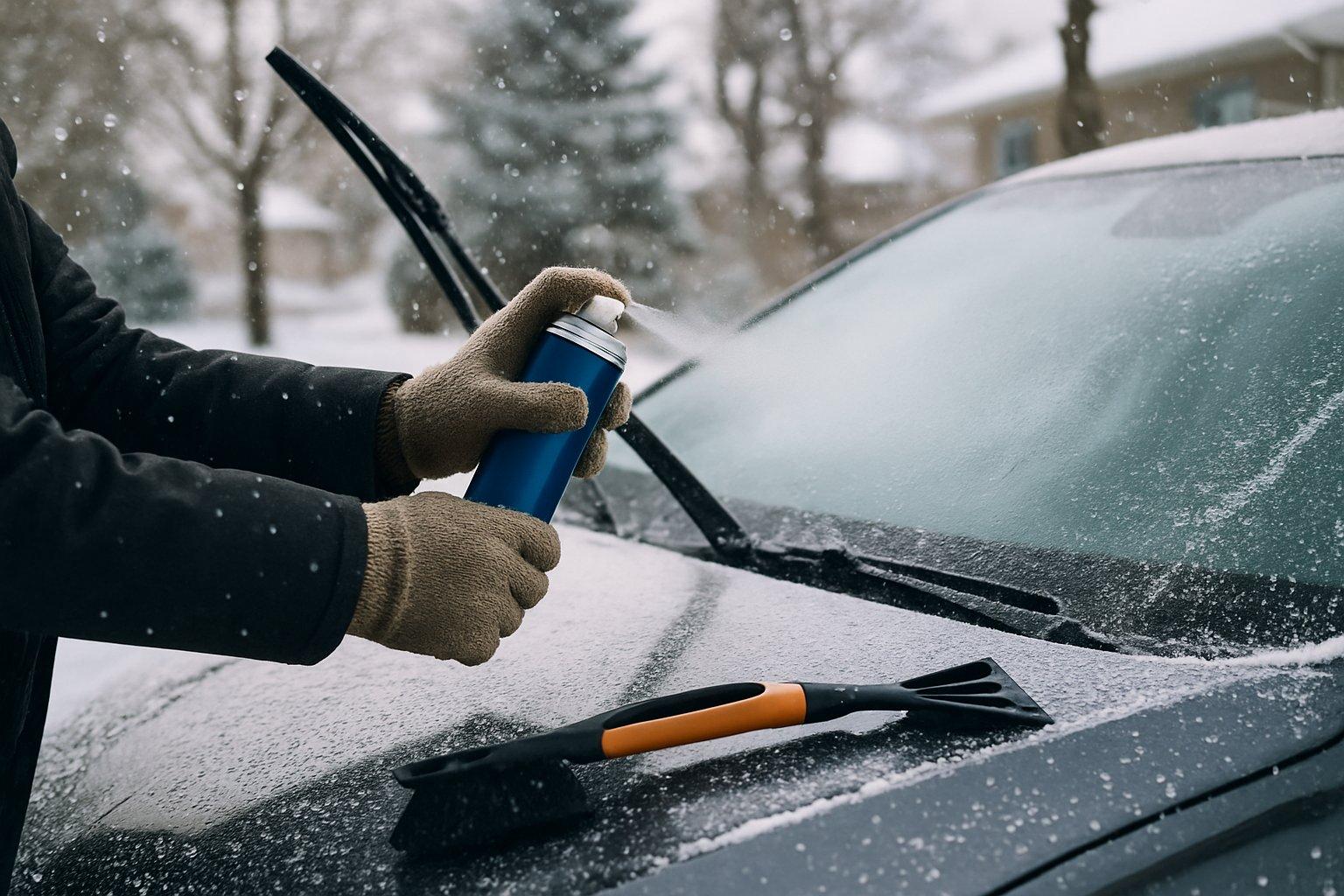
Good visibility is non-negotiable when winter weather shows up. I always check that my wipers work, my lights are bright, and I’ve got tools handy for clearing ice or snow from my windows.
Replacing Windshield Wipers
Winter conditions can overwhelm regular wipers. When temps drop below freezing, the usual blades just don’t cut it.
That’s why I swap in winter windshield wipers before the first snow. These have thick rubber edges that keep ice and snow from sticking to the blade.
Winter wipers are heavier, so my wiper motor works a bit harder. Still, I’d rather have that than deal with smeared, icy glass.
I check my wipers for:
- Cracked rubber: Torn blades leave streaks
- Bent frames: Uneven pressure means poor clearing
- Loose connections: Skipping or chattering wipers need to go
Key tip: I always take winter wipers off come spring. The extra weight isn’t great for the motor long-term.
Switching to winter washer fluid is also a must. Regular stuff freezes at 32°F, but winter formulas stay liquid even at -20°F.
Checking Headlights and Taillights
Short days and messy storms make good lighting crucial. My headlights and taillights have to be in top shape.
I do a monthly check of all my lights during winter—headlights, taillights, brake lights, turn signals, hazards, the whole set.
How do I check my lights?
- Turn on the headlights and circle the car
- Press the brake and look for brake light response
- Test both turn signals
- Flip on hazards to make sure they flash
Cloudy or yellowed headlight lenses can cut output by nearly half. I use a polishing kit or just replace them if they’re really bad.
Weekly cleaning is a habit for me in winter. Salt and grime pile up fast and block the light.
Pro tip: I toss spare bulbs in my glove box. Bulbs seem to burn out at the worst times, especially when it’s freezing.
Using De-icing Tools
Driving with iced-over windows is dangerous (and usually illegal). The right tools make all the difference.
An ice scraper is non-negotiable. I pick one with a comfy grip and a wide blade—it just works faster.
My go-to de-icing tools:
- Ice scraper: Metal blades work best for thick ice
- Snow brush: Long handles help reach the roof
- De-icer spray: Melts ice much faster than muscle alone
- Windshield cover: Keeps ice off overnight
Never pour hot water on frozen glass. That shock can crack a windshield in seconds—trust me, it’s not worth the risk.
My routine: Start the car, crank up the defroster, and scrape while the engine warms. This combo clears ice way faster.
I keep my ice scraper inside the house, not the car. No sense having it frozen and locked away when I need it most.
Gear Up for Winter Emergencies
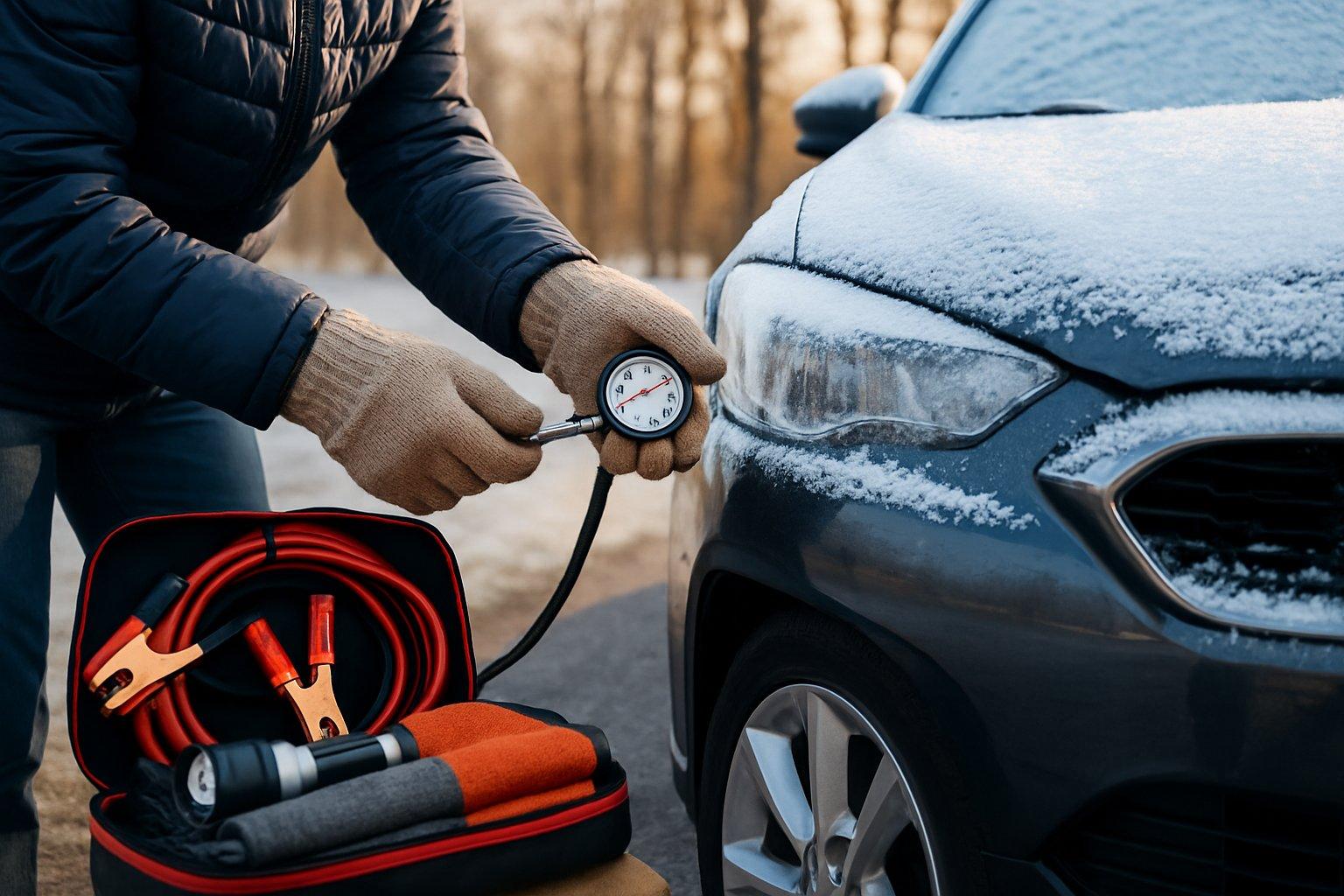
I always say: keep a few winter-specific emergency items in the car. The right gear can turn a bad day into just a minor hassle if you end up stuck somewhere cold.
Building a Winter Emergency Kit
Before it gets cold, I put together a solid winter emergency kit. My kit focuses on staying warm and making sure I can call for help.
Here’s what I pack:
- Warmth: Blankets, extra gloves, and layers
- Food & water: Non-perishable snacks and water bottles (won’t freeze solid, hopefully)
- Communication: Fully charged phone and a car charger
- Light: Flashlight and spare batteries
- Safety: Road flares and a first aid kit
Road flares go in a waterproof container. They’re a lifesaver for visibility during snow or at night.
Matches in a waterproof case are also in my kit. Handy for lighting flares or, if it comes to it, starting a small fire for warmth.
I swap out batteries and snacks every six months. No point having dead supplies.
Essential Winter Tools for the Trunk
Some tools just make winter easier. I keep a few in my trunk year-round, but especially when it’s cold out.
My trunk stash includes:
Snow removal: Small shovel and ice scraper
Traction: Bag of sand or kitty litter for stuck tires
Tire chains: Critical for really bad roads
Fluids: Extra antifreeze and oil
Tools: Basic kit and jumper cables
I like a collapsible shovel—it fits anywhere but still does the job. Practice with tire chains before you need them; it’s not fun learning in a snowstorm.
Sand or kitty litter goes in a sealed container. That way, I don’t end up with a mess if something tips over.
Protect Your Car’s Exterior and Cabin
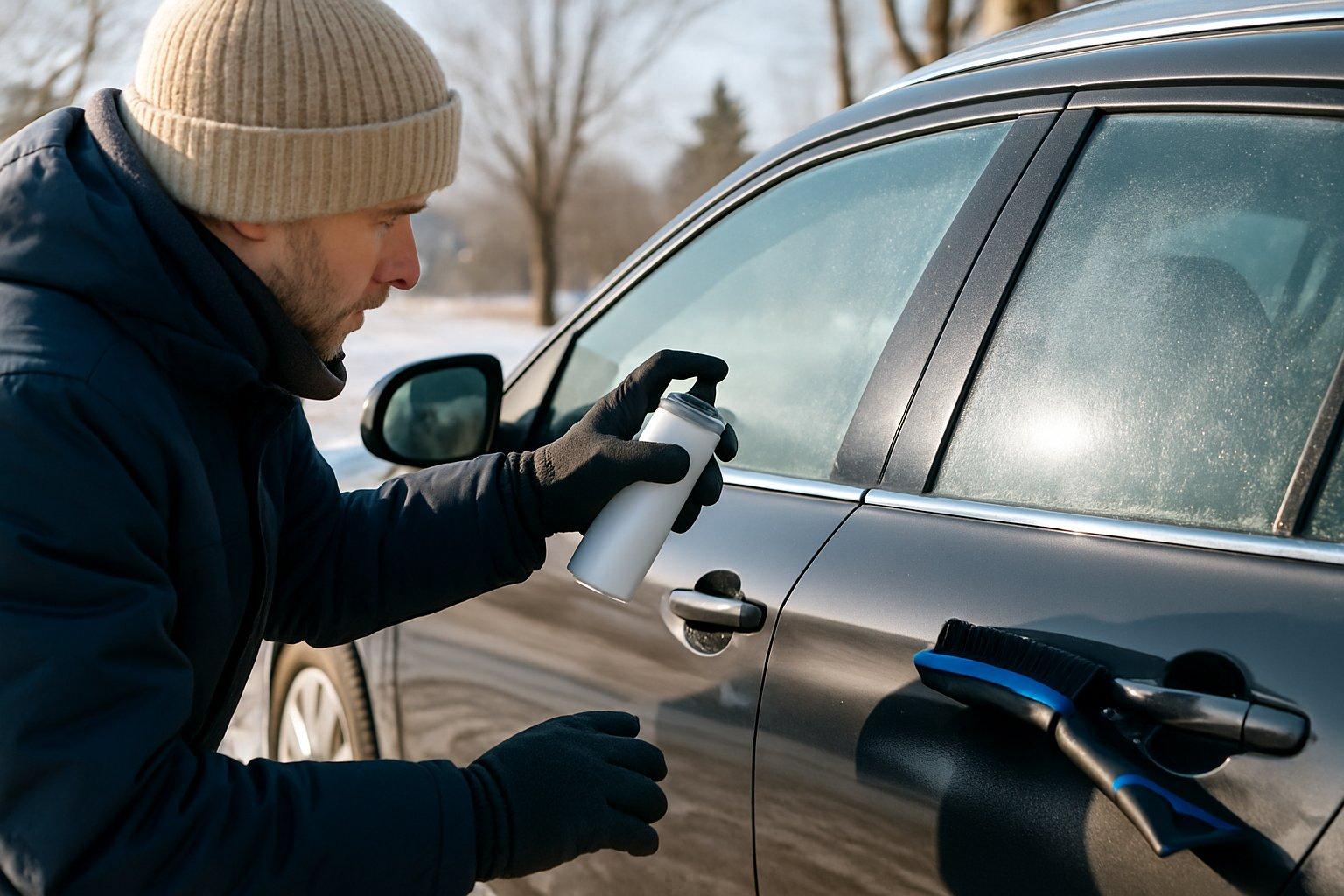
Winter can be brutal on the outside and inside of your car. I focus on sealing up entry points, protecting the interior, and blocking out salt and moisture.
Sealing Door Locks and Weatherstripping
Before winter, I check every door seal and bit of weatherstripping. Cold makes rubber brittle, and cracks let water sneak in.
I look at the rubber around doors, windows, and the trunk. If I spot tears or hard patches, I know it’s time for some attention.
Places to check:
- Door frames and window seals
- Trunk and hood weatherstripping
- Sunroof seals (if you have one)
Rubber conditioner or silicone spray keeps the weatherstripping soft. For locks, a spray of graphite or lock de-icer in the keyhole does the trick.
I always wipe down the rubber first, then apply conditioner. Let it soak in for best results—don’t rush it.
Preparing Floor Mats and Interior
Salt, snow, and mud are rough on interiors. I swap out carpet mats for all-weather ones every winter.
All-weather mats have raised edges that catch melted snow. They’re easier to clean and don’t stay soggy like fabric mats.
I just store my fabric mats until spring. Rubber or plastic is the way to go for winter.
Interior protection tips:
- Waterproof seat covers are a lifesaver
- Keep a couple of microfiber towels handy
- Mat clips keep things from sliding around
If I’ve got leather seats, I treat them with conditioner before winter. Cold, dry air can really mess up leather.
For cloth seats, a thorough vacuum and maybe some fabric protector spray help keep things clean and dry.
Washing and Waxing for Salt Protection
Road salt is murder on paint and metal. A tough paint protection layer helps fight corrosion.
I always wash the car before waxing or sealing. No point trapping dirt under a protective layer.
Protection options:
- Paint coating: Lasts over two years
- Synthetic sealant: About six months of coverage
- Carnauba wax: Two or three months, but easy to apply
Paint coatings are the most durable, but they take more prep work. Clay, compound, polish—you know the drill.
Synthetic sealants are a good middle ground, easier than coatings and stronger than wax. They hold up well to winter grime.
I pay extra attention to the lower panels and wheel wells. Those spots catch the most salt and junk.
Winter Driving Tips and Maintenance Scheduling
Staying on top of maintenance before winter hits makes life easier later. I try to get service done early and brush up on winter driving basics every year.
Planning Preventive Service Visits
I aim for my winter maintenance in early fall, before shops get slammed. It also means parts are more likely to be in stock.
My pre-winter checklist:
- Test the battery (replace if needed)
- Flush the coolant system
- Oil change with winter-grade oil
- Brake check
- Heating system test
I plan my maintenance visits at least a month or two before winter usually arrives.
Belts, hoses, spark plugs—these get checked too. Cold weather is tough on them, and failures aren’t fun to deal with in the snow.
Battery strength is a big one. Car batteries lose a chunk of their power when it gets cold, so I make sure mine’s up to the task.
Driving Techniques for Winter Roads
When the roads turn icy or get covered in snow, I really have to change how I drive. Smooth and gradual movements are the name of the game if you want to avoid losing control out there.
Key Winter Driving Techniques:
- Accelerate slowly and steadily
- Brake gently and early
- Turn gradually without sudden movements
- Increase the following distance by 3-4 times
Before I get going, I like to test my brakes with a gentle press. It gives me a feel for how slippery things actually are and how my car might react if I need to stop quickly.
On hills, I try to keep a steady momentum and avoid spinning the tires. If I start to slide, I just ease off the gas and point the wheel where I want to end up—sometimes easier said than done.
I always keep my gas tank at least half full in the winter. Not only does it help keep the fuel lines from freezing, but the extra weight seems to give a bit more traction too.
3 thoughts on “How to Winterize Your Car: Essential Steps for Cold Weather Safety”
Comments are closed.