
Your 4WD or AWD vehicle relies on a component most drivers barely think about—until something fails. The transfer case quietly splits power between your front and rear wheels, but like any machine, it needs a little love to keep things running smoothly.
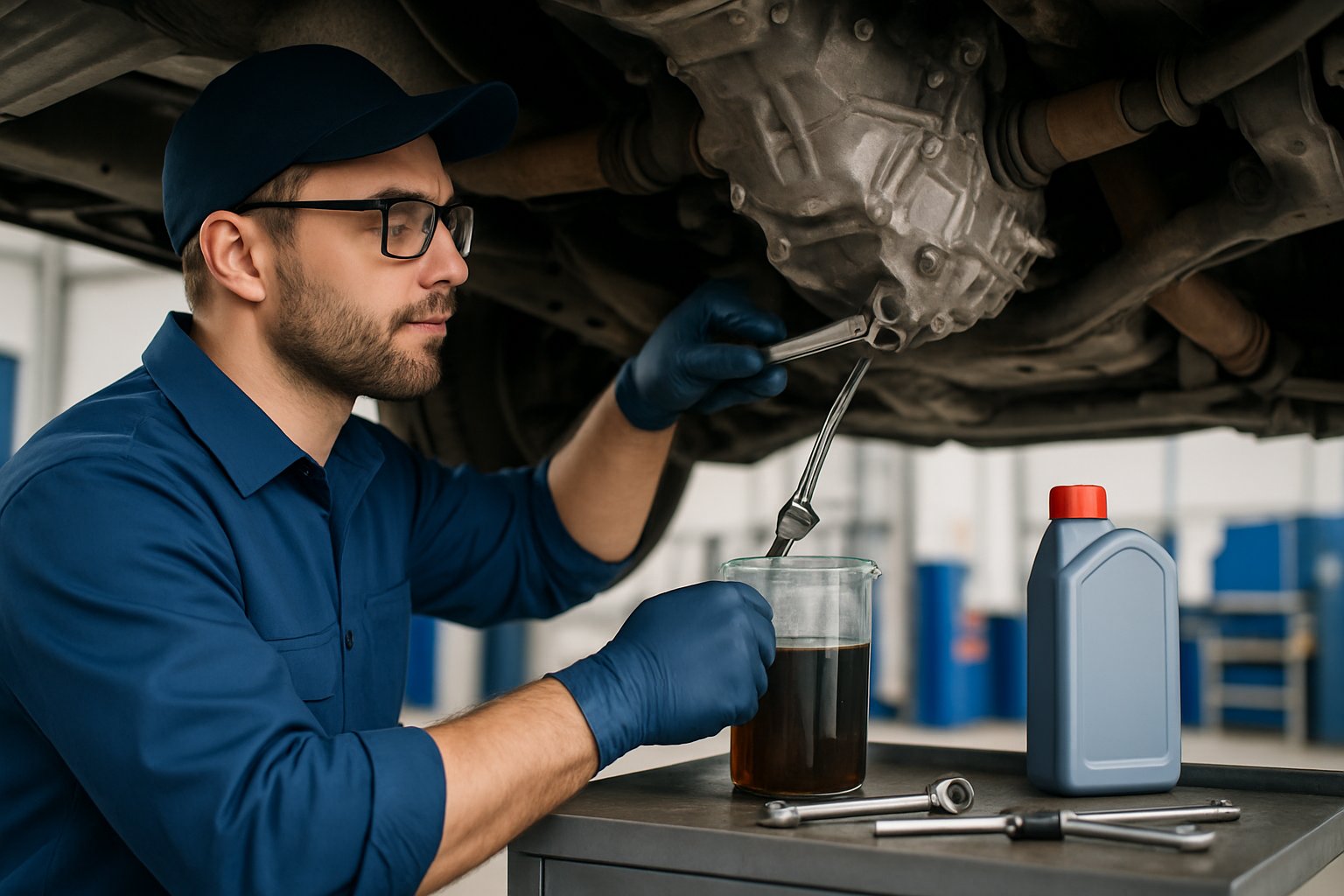
Transfer case fluid service means draining the old lubricant and refilling with fresh fluid to keep your four-wheel drive system happy. This special fluid cools and protects all the gears, chains, and moving parts inside your transfer case.
Neglecting this service? You’re risking expensive repairs down the road.
Let’s get into what transfer case fluid service actually is, what your transfer case does, and how to spot when it needs attention. I’ll also touch on the service process and how to find a trustworthy shop if you’re not the DIY type.
What Is a Transfer Case?
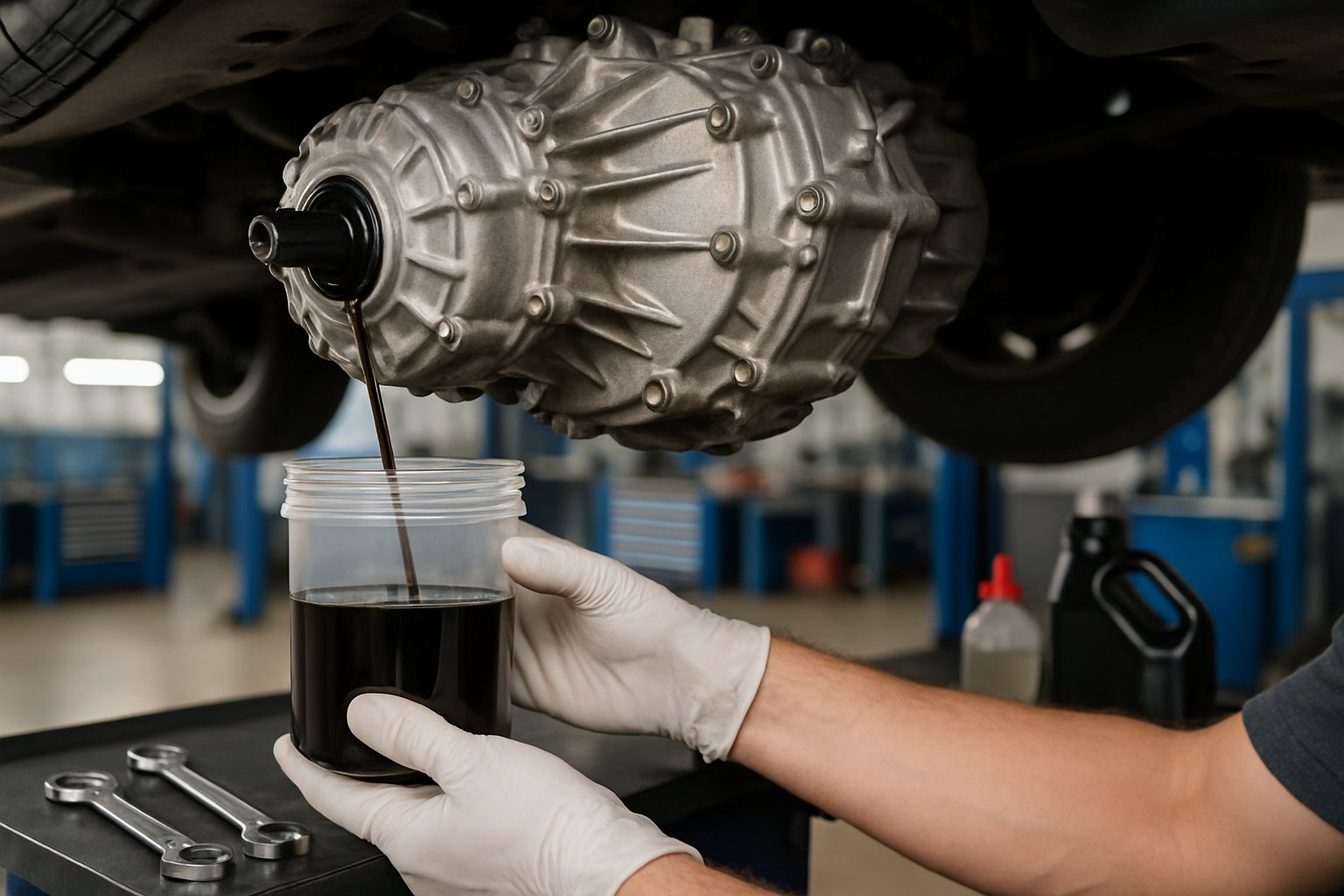
A transfer case is a mechanical box that splits power from the transmission to both front and rear axles in 4WD and AWD vehicles. Inside, you’ll find gears, chains, and clutches working together to decide how much power each axle gets, depending on the road.
Function in All-Wheel Drive and 4WD Systems
The transfer case is the power splitter that sends engine power to both axles in 4WD vehicles. In a classic four-wheel drive, I can actually engage or disengage the front wheels with the transfer case controls.
All-wheel drive systems handle things differently. The transfer case automatically shifts power between axles based on wheel slip or traction—no input from me required.
Key functions include:
- Splitting power between front and rear axles
- Providing high and low gear ranges in 4WD systems
- Enabling 2WD, 4WD high, and 4WD low modes
- Managing torque distribution based on traction needs
The transfer case lets me switch drive modes. In 2WD, power goes just to the rear wheels. 4WD high gives both axles equal power for basic off-roading. 4WD low? That’s for tough stuff—think mud or steep climbs.
Transfer Case Components and Operation
Several parts inside the transfer case work together to split power. The main players are input and output shafts, planetary gears, chains or metal gears, and the shift mechanisms.
The input shaft hooks up to the transmission output. Power moves through chains or gears to the front and rear output shafts. Some systems use heavy-duty chains, others use metal gears—it depends on the vehicle.
Main components:
- Input shaft from the transmission
- Planetary gear sets
- Drive chains or gears
- Front and rear output shafts
- Shift forks and collars
- Electronic or manual controls
The shift mechanism is how I pick drive modes. Some vehicles use electronic motors and sensors for automatic shifting. Others make you pull a lever or flip a switch—old-school style.
Difference Between Transfer Case and Differential
The transfer case and the differential don’t do the same job. The transfer case splits power between the front and rear axles. Differentials split power between the left and right wheels on a single axle.
I’ve got differentials in both my front and rear axles. They let the wheels spin at different speeds in a turn. Without them, my tires would wear out fast and steering would feel weird.
Key differences:
| Component | Location | Function |
|---|---|---|
| Transfer Case | Behind transmission | Splits power between front/rear axles |
| Differential | In each axle | Splits power between left/right wheels |
Transfer cases are only in 4WD and AWD vehicles. Every car has at least one differential, usually in the rear axle. Front-wheel drive cars use a transaxle—a combo of transmission and differential in one.
Both need regular fluid changes, but they use different fluids and have their own service schedules.
Transfer Case Fluid: Purpose and Importance
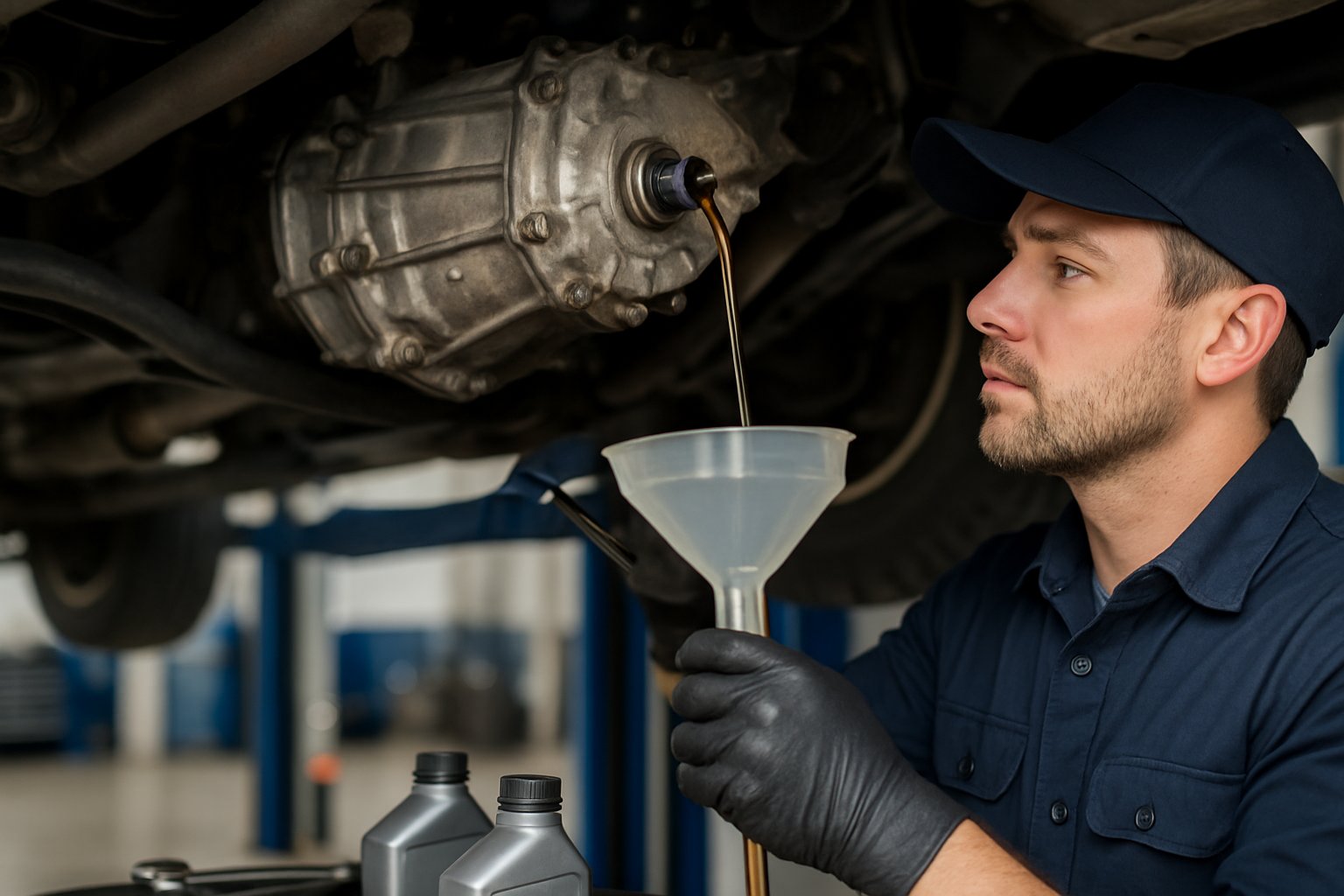
Transfer case fluid is more important than you might think. It lubricates moving parts, cools things down, and keeps out gunk. Using the right fluid and keeping up with changes can save you a ton of money and headaches.
Lubrication and Cooling Roles
I can’t stress enough how vital transfer case fluid lubrication is for your drivetrain’s health. The fluid makes a protective barrier between metal parts, so they don’t grind each other down.
Lubrication Benefits:
- Reduces friction between gears and bearings
- Prevents metal-to-metal contact
- Helps parts last longer
- Keeps the power transfer smooth
The cooling part matters too. Transfer cases get hot from all that spinning and shifting. Transfer case fluid pulls heat away, so nothing overheats or warps inside.
If the fluid can’t cool things down, seals might break, and metal parts could get damaged. I always check fluid levels to make sure there’s enough to do the job.
Protection Against Wear and Contamination
Transfer case fluid is your first defense against wear and contamination. As it circulates, it picks up metal shavings, dirt, and debris that build up over time.
Protection Features:
- Debris removal: Carries gunk away from important parts
- Seal protection: Keeps gaskets flexible and stops leaks
- Corrosion prevention: Stops rust from forming inside
- Viscosity stability: Stays thick enough, even when it gets hot or cold
Regular transfer case fluid service stops dirty fluid from wrecking things. Once the fluid gets contaminated, it can actually speed up wear instead of preventing it.
Types of Transfer Case Fluid
Picking the right fluid is a big deal for your transfer case’s health. Different systems need specific fluids based on design and how hard they work.
Common Fluid Types:
| Fluid Type | Best For | Key Benefits |
|---|---|---|
| Automatic Transmission Fluid (ATF) | Electronic transfer cases | Handles heat, smooth shifting |
| Gear Oil | Manual transfer cases | Great for high torque, super durable |
| Dedicated Transfer Case Fluid | Manufacturer-specific systems | Optimized for your vehicle, keeps warranty safe |
Synthetic transfer case fluids work better in extreme temperatures and last longer. They do cost more, though, so it’s a bit of a tradeoff.
I always check the owner’s manual before I buy fluid. The wrong stuff can void warranties or even damage the drivetrain—just not worth the risk.
Selection Considerations:
- The temperature range where you drive
- How you use your vehicle (towing, off-roading, etc.)
- Manufacturer specs
- Recommended service intervals
When and Why to Service Transfer Case Fluid
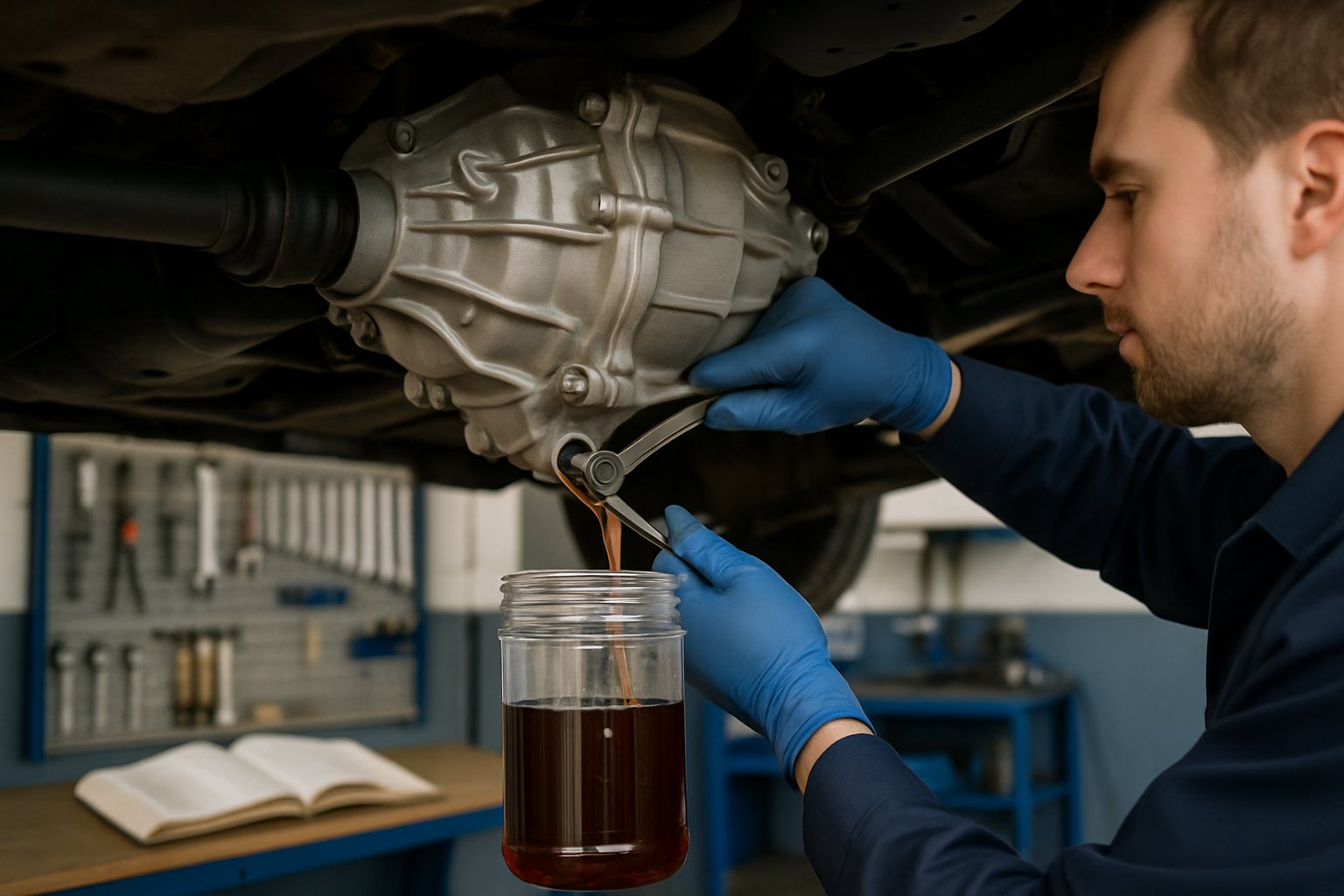
Most transfer case fluids should be changed every 30,000 to 60,000 miles, but that’s not set in stone. How and where you drive can push that number up or down.
Recommended Service Intervals
Most automakers suggest changing transfer case fluid every 30,000 to 60,000 miles if you drive normally. I always peek at the owner’s manual first—some vehicles are picky.
Standard Service Schedule:
- Normal driving: 30,000-60,000 miles
- Severe conditions: 20,000-30,000 miles
- Light highway use: Up to 60,000 miles
Fluid breaks down over time and just can’t protect parts the way fresh fluid does. I’d rather change it early than pay for a new transfer case.
Signs You Need Transfer Case Fluid Service
There are some clear red flags when it’s time for service. Dark, dirty fluid? That’s a big one—time to book an appointment.
Physical Signs:
- Dark, murky fluid instead of clear or light
- Metal shavings or bits in the fluid
- Burning smell around the transfer case
Performance Issues:
- Grinding or whining noises when driving
- Trouble switching into four-wheel drive
- Dashboard warning lights for AWD/4WD
Weird drivetrain noises are never good. If I hear them, I check the fluid level or quality right away.
Fixing these problems early is way better than replacing expensive parts later.
Driving Conditions That Affect Service Frequency
How I drive plays a huge role in how often I need fluid changes. Tougher conditions mean more frequent service—simple as that.
Severe Conditions Requiring More Frequent Service:
- Towing heavy stuff – every 20,000 miles
- Off-roading – more dirt and debris
- Stop-and-go city driving – heats things up fast
- Mountain roads – lots of shifting and stress
Conditions Allowing Longer Intervals:
- Mostly highway, steady speeds
- Light loads, not much towing
- Mild climates
If I use four-wheel drive a lot, I check the fluid more often. More use means more heat and wear.
Extreme hot or cold? That shortens fluid life, so I adjust my schedule as needed.
Transfer Case Fluid Service Process
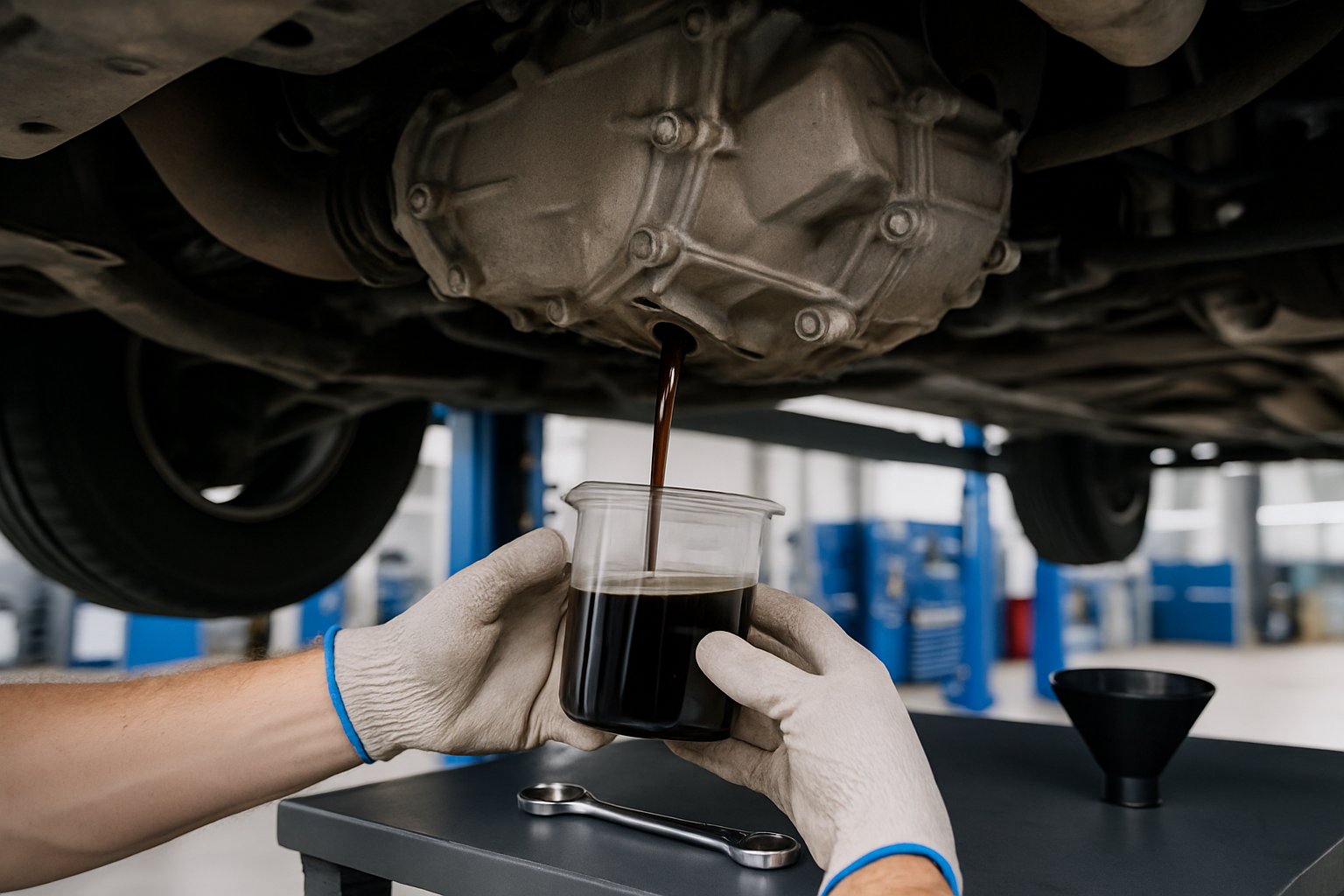
The process starts with draining out the old, dirty fluid. Then I clean up the insides and refill with fresh lubricant so the drivetrain keeps running smoothly.
Proper fluid maintenance keeps gears and bearings healthy and helps avoid weird noises or rough power transfer.
Inspection and Fluid Drainage
I lift the vehicle and look for the transfer case underneath. The drain plug sits at the lowest spot.
Before actually draining, I peek at the fluid through the fill port. If it looks dark, thick, or just plain nasty, it’s definitely time for new stuff.
The drain pan goes underneath. I grab the right socket and carefully remove the plug—nobody wants stripped threads.
Key inspection points:
- Color and thickness of the fluid
- Metal bits in the drained fluid
- Shape of the drain plug and gasket
- Leaks around the seals
It takes about 10-15 minutes to drain everything. I always wipe down the plug and check the magnet for metal shavings.
Strange noises during driving can mean internal wear, which you might see in the fluid you just drained.
Refilling with Manufacturer-Approved Fluid
I use the exact type of fluid the owner’s manual calls for. Different transfer cases need different formulas—no shortcuts here.
Common choices include:
- ATF (Automatic Transmission Fluid) – Most vehicles use this
- Gear Oil – For heavier-duty setups
- Synthetic Blends – For extra protection
Drain plug goes back in, sometimes with a new gasket. I torque it to spec, usually 15-25 foot-pounds.
With a fluid pump, I fill through the upper port until it starts to trickle out. Most hold between 1.5 and 4 quarts, but it depends on the ride.
Slow and steady wins here—filling too fast can trap air. Once it flows out the fill port, it’s good to go.
Post-Service Checks and Test Drive
Fill the plug back in, then I lower the vehicle. I start the engine and cycle through all transfer case positions while parked.
For the test drive, I run through:
- 2WD – Just normal driving
- 4WD High – Low-speed stuff
- 4WD Low – If it’s there, I engage it briefly
I keep an ear out for weird noises and feel for any shakes when changing modes. If everything’s smooth, I’m happy with the job.
After driving, I double-check the fluid level. Sometimes it settles and needs a quick top-off.
I jot down the date and mileage for next time. Most transfer cases need service every 30,000-60,000 miles, but it really depends on how you drive.
Consequences of Neglecting Transfer Case Fluid Changes
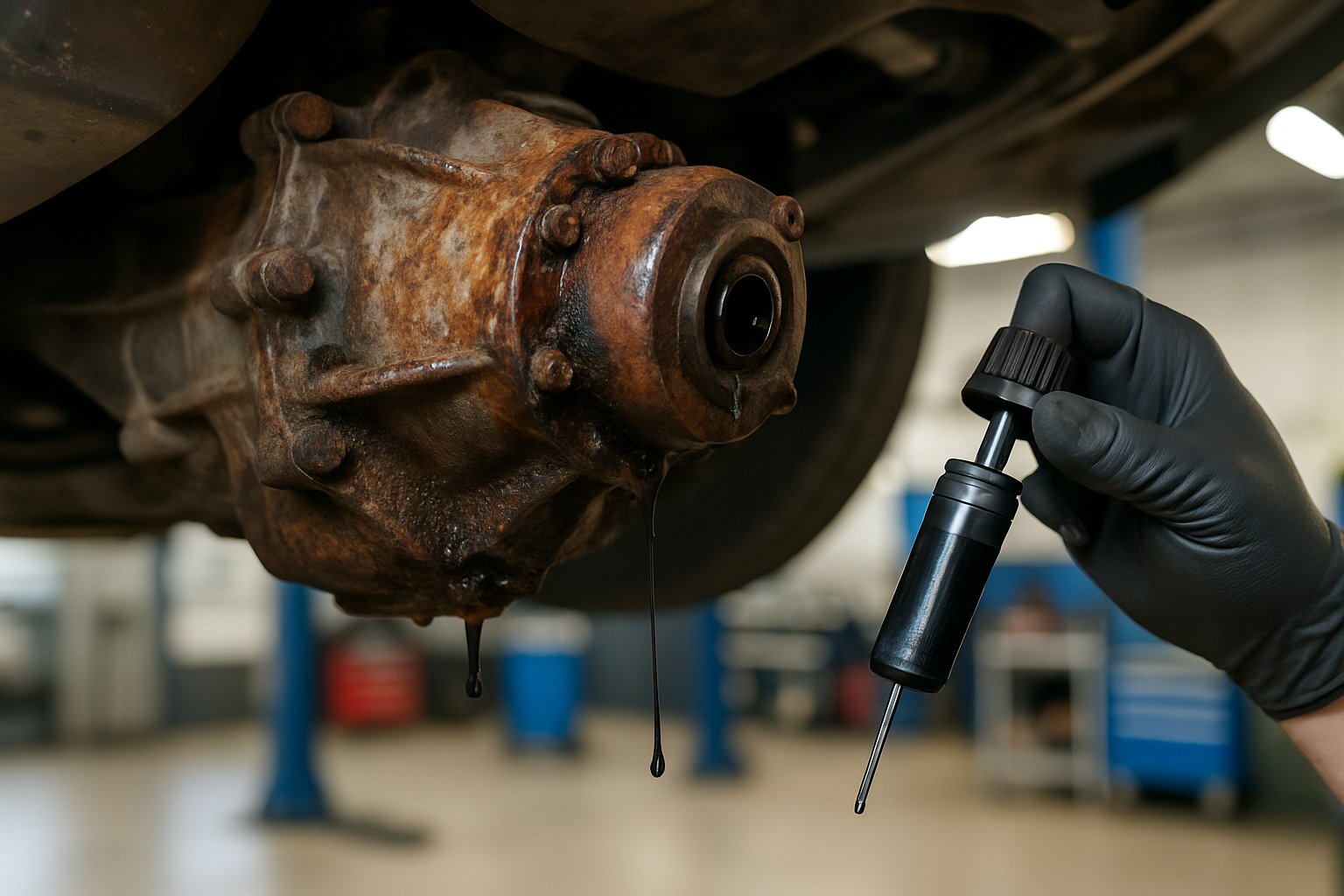
Skip those fluid changes and you’re asking for trouble. Parts inside wear out faster, and you could end up needing a whole new transfer case. That’s not cheap, and your all-wheel drive will definitely suffer.
Premature Wear and Component Damage
Old fluid just can’t protect like it used to. Without good lubrication, metal parts grind together and wear out.
The gears and bearings inside need fresh fluid to keep everything moving right. If you skip it, you speed up wear on all those internal bits.
Key components at risk include:
- Internal gears
- Bearing assemblies
- Chain drives
- Synchronizers
Contaminated fluid is basically sandpaper for these parts. Metal shavings from worn pieces just keep circulating and making things worse.
Heat builds up fast when lubrication fails. Old fluid can’t cool things down, so you get warped parts and blown seals.
I’ve seen transfer cases with seized bearings and stripped gears from neglect. Honestly, fixing that costs way more than just changing the fluid on schedule.
Potential for Complete Transfer Case Replacement
Letting things go too long can destroy the whole transfer case. Neglect can mean catastrophic failure and a full replacement.
The price jump is wild. Fluid changes run $150-300 every few years.
Transfer case replacement costs:
- Brand new: $3,000-6,000
- Rebuilt: $1,500-3,500
- Labor: $800-1,200
When everything goes wrong at once—gears strip, bearings seize, cases crack from heat—you’ve got a big problem.
That kind of failure is expensive and could leave you stranded. Four-wheel or all-wheel drive won’t work at all.
Watch out for grinding, trouble shifting, or fluid leaks. Once those show up, replacement might be your only option.
Impact on All-Wheel Drive and Drivetrain Performance
All-wheel drive depends on a healthy transfer case. Bad fluid messes with how power gets to the wheels.
Problems usually creep in. You might notice hesitation when trying to switch into all-wheel drive.
Common performance problems include:
- Slow to engage drive modes
- Jerky power delivery
- Less traction on slick roads
- Vibration during turns
The transfer case links the transmission to both axles. When it acts up, your whole drivetrain gets less efficient.
All-wheel drive needs precise timing and smooth shifting. Dirty fluid throws everything off, so you lose grip when you need it most.
Sometimes the transfer case gets stuck in one mode. That means you’re always in all-wheel drive, burning more gas, and wearing out tires faster.
Modern vehicles might even throw warning lights or go into limp mode if transfer case trouble is detected.
Related Drivetrain Maintenance Services
The transfer case works alongside other drivetrain parts to keep things running right. Differentials and axles need regular attention too, or you could end up with expensive repairs and annoying breakdowns.
Differential Fluid and Service
I always suggest checking your differential fluid. Differentials and the transfer case are a team—they let your wheels spin at different speeds.
Differential fluid breaks down from heat and wear. Old stuff can wreck the gears and cost a fortune to fix.
Signs you need differential service:
- Whining noise in turns
- Vibration while driving
- Leaks under the vehicle
- Burning smell from the back
Change differential fluid every 30,000 to 50,000 miles. If you tow heavy or go off-road, do it more often.
Fresh fluid protects the differentials by keeping things cool and reducing wear.
Axle Inspection and Maintenance
Axles connect the diffs to your wheels. I check them during regular service to catch problems early.
Key axle components to inspect:
- CV joints and boots
- Axle shafts
- Universal joints
- Seals and gaskets
Torn CV boots let in dirt and water, which wreck the joint and cause clicking when you turn.
I look for grease leaks near the wheels. If you see it, those seals probably need replacing soon.
Bad universal joints make the car shake and clunk. If they break, you could end up stranded somewhere.
Stay ahead of axle trouble with regular checks—I’d say every 12,000 miles or whenever you’re in for an oil change.
Choosing a Professional Transfer Case Fluid Service Provider
Picking the right shop isn’t just about price. You want people who know what they’re doing and stand behind their work.
Qualifications and Experience
I look for ASE-certified techs when picking a transfer case service provider. Those certifications mean they’ve passed legit tests.
Key qualifications to check:
- ASE drivetrain certification
- Training for your specific vehicle brand
- Experience with 4WD systems
- Know-how with diagnostic tools
I always ask how long they’ve been working on transfer cases. The pros can spot small issues during routine service and know when something’s off.
Some shops focus on 4WD vehicles. They’ve usually got better tools and experience for tricky transfer case jobs.
It’s also worth checking if they do complete transfer case replacements. Shops that handle major repairs tend to know their stuff better than places that just do fluid changes.
Service Guarantees and Parts Warranties
I always ask about warranties before scheduling my transfer case service. Good shops should stand behind their work with clear guarantee terms.
What I look for in service guarantees:
- 12-month or 12,000-mile minimum coverage
- Written warranty documents
- Clear explanation of what’s covered
- No hidden fees or conditions
The best providers offer warranties on both labor and parts.
Some shops even provide longer coverage if you go for premium fluid upgrades.
I read the warranty fine print carefully. It’s surprising how some warranties only cover the fluid change itself, while others include protection if related problems pop up later.
Many professional service centers also guarantee their diagnostic work.
This protects me if they miss something during inspection.
I avoid shops that won’t provide written warranty information upfront. That just feels like a red flag.
3 thoughts on “Transfer Case Fluid Service: Essential Maintenance and Benefits”
Comments are closed.