
Engine oil keeps your car running smoothly. When levels drop too low, serious problems can happen fast.
The top reasons for low engine oil levels are typically caused by leaks from worn gaskets and seals, oil burning in the combustion chamber, or simply skipping regular oil changes. I’ve seen countless drivers face expensive repairs that could have been avoided with some basic understanding of why oil levels drop.
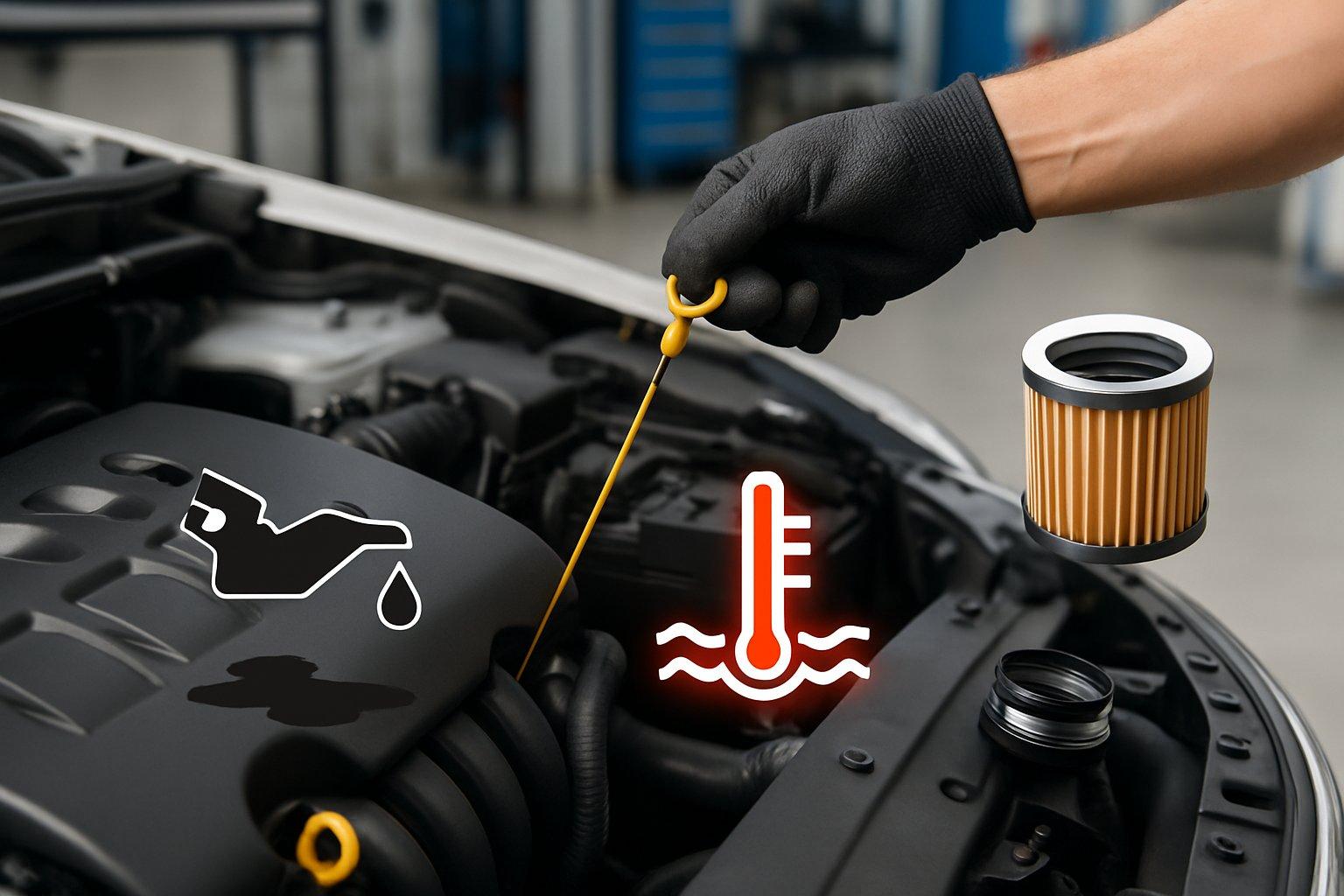
Your engine oil level can decrease for a bunch of reasons, from visible leaks under your car to invisible oil consumption inside the engine. Some causes are simple fixes you can handle yourself.
Others, though, need professional attention. The key is knowing what to look for and how to spot problems early.
Understanding the Importance of Engine Oil Levels
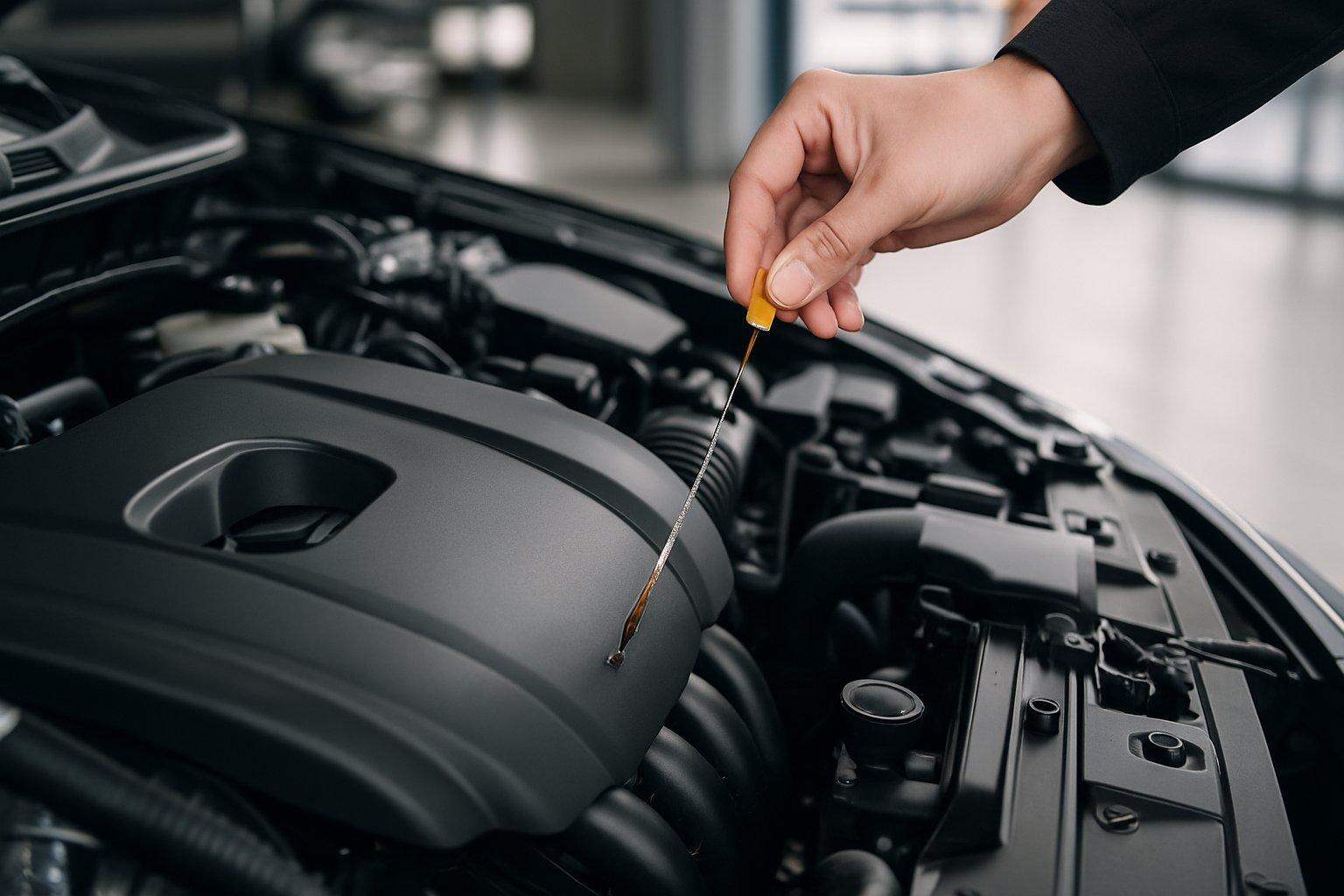
Engine oil is basically the lifeblood of your vehicle’s engine. It provides essential lubrication and protection.
Maintaining proper oil levels directly affects how well your engine performs. It also really impacts how long it lasts.
Role of Engine Oil in Lubrication
Engine oil creates a thin protective film between moving metal parts inside your engine. Without this barrier, metal components would grind against each other and create excessive heat.
The oil flows through passages and channels throughout the engine block. It reaches critical areas like pistons, bearings, and valve components.
This constant oil flow prevents friction that would otherwise destroy these expensive parts. When oil levels drop too low, the oil pump can’t circulate enough lubricant.
Some engine parts may run dry or get inadequate protection. This leads to increased friction and wear between engine components.
The viscosity of the oil matters too. Thin oil flows easily but might not protect enough, while thick oil can protect well but might not reach all areas quickly.
Impact on Engine Health and Performance
Low oil levels create serious risks for your engine’s health and performance. I’ve seen engines suffer permanent damage from running with insufficient oil, even for short periods.
Engine overheating becomes a big concern when oil levels drop. Oil helps remove heat from engine components and carries it to the oil pan where it can cool.
Low oil levels can lead to overheating, often shown by a rising temperature gauge. Your engine performance suffers immediately when oil levels get too low.
You might notice:
- Knocking or tapping sounds from the engine
- Reduced power and acceleration
Rough idling or stalling can also pop up. Oil pressure warning lights might show up on your dashboard.
The most serious consequence is complete engine failure. In extreme cases, low oil levels can result in engine seizure, which is a catastrophic failure that requires costly repairs or engine replacement.
Most Common Reasons for Low Engine Oil Levels
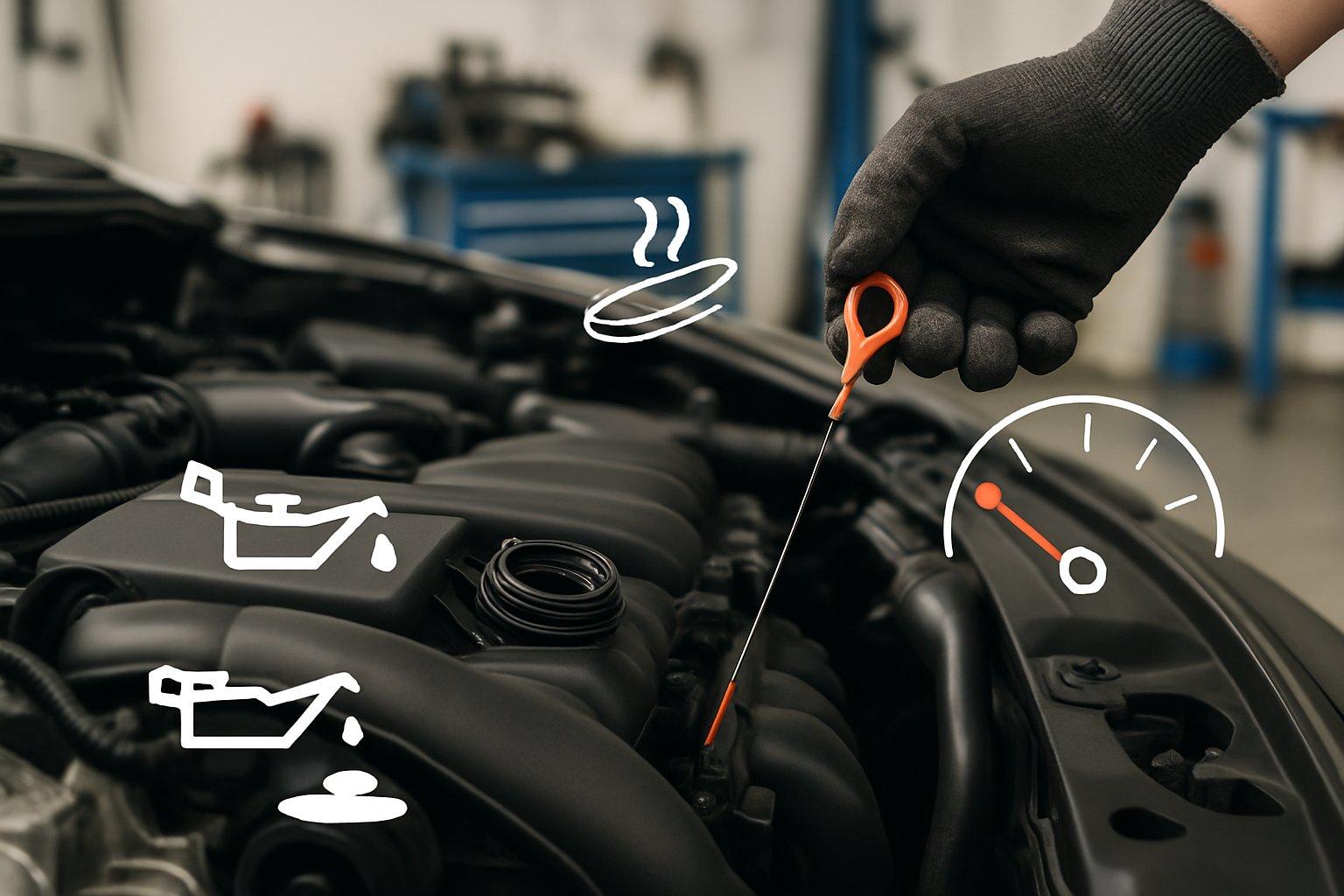
Oil levels drop mainly through three mechanisms: physical leaks, internal burning, and insufficient maintenance that leads to oil breakdown and loss over time.
Oil Leaks and Seepage
I find that oil leaks are among the most frequent causes of low oil levels in vehicles. These leaks happen when oil escapes through worn seals, gaskets, or damaged components.
Common leak locations include:
- Valve cover gaskets at the top of the engine
- Oil pan gaskets underneath the vehicle
Drain plug and oil filter areas are also suspect spots. Crankshaft and camshaft seals can leak as well.
Dark stains under your parked car usually mean you’ve got an active oil leak. You might also catch a burning oil smell when leaked oil hits hot engine parts.
Small leaks may only lose a few drops daily. Major leaks from damaged oil pans or loose drain plugs can cause rapid oil loss.
I recommend checking your driveway regularly for oil spots. Even minor leaks can gradually reduce oil levels and lead to serious engine damage if ignored.
Excessive Oil Consumption
Some engines naturally burn oil during normal operation. But excessive consumption usually means internal wear.
This happens when oil enters the combustion chamber and burns with the fuel. Primary causes of oil burning:
- Worn piston rings
- Damaged valve seals
Turbocharger seal failure and high-mileage engine wear can also be culprits. Blue smoke from your exhaust pipe means your engine is burning oil internally.
This type of oil consumption doesn’t leave visible leaks under the car. High-performance and turbocharged engines typically consume more oil than standard engines.
Still, losing more than one quart between oil changes suggests mechanical problems. I’ve seen engines use up a quart every 1,000 miles due to internal wear.
This gradual loss can really catch drivers off guard during routine checks.
Irregular Oil Changes
Skipping or delaying oil changes causes oil to break down, evaporate, and lose volume over time. Old oil also becomes less effective at protecting engine components.
Extended oil change intervals allow oil to degrade from heat and contamination. This degraded oil evaporates faster and provides poor lubrication.
Problems from delayed oil changes:
- Oil breakdown and evaporation
- Increased engine wear
Seal and gasket deterioration is also a risk. Accelerated oil consumption can sneak up on you.
I recommend following your manufacturer’s oil change schedule. Using high-quality oil and filters helps maintain proper oil levels between changes.
Waiting too long between changes forces your engine to operate with insufficient lubrication. That can mean costly engine damage down the road.
Mechanical Issues That Cause Oil Loss
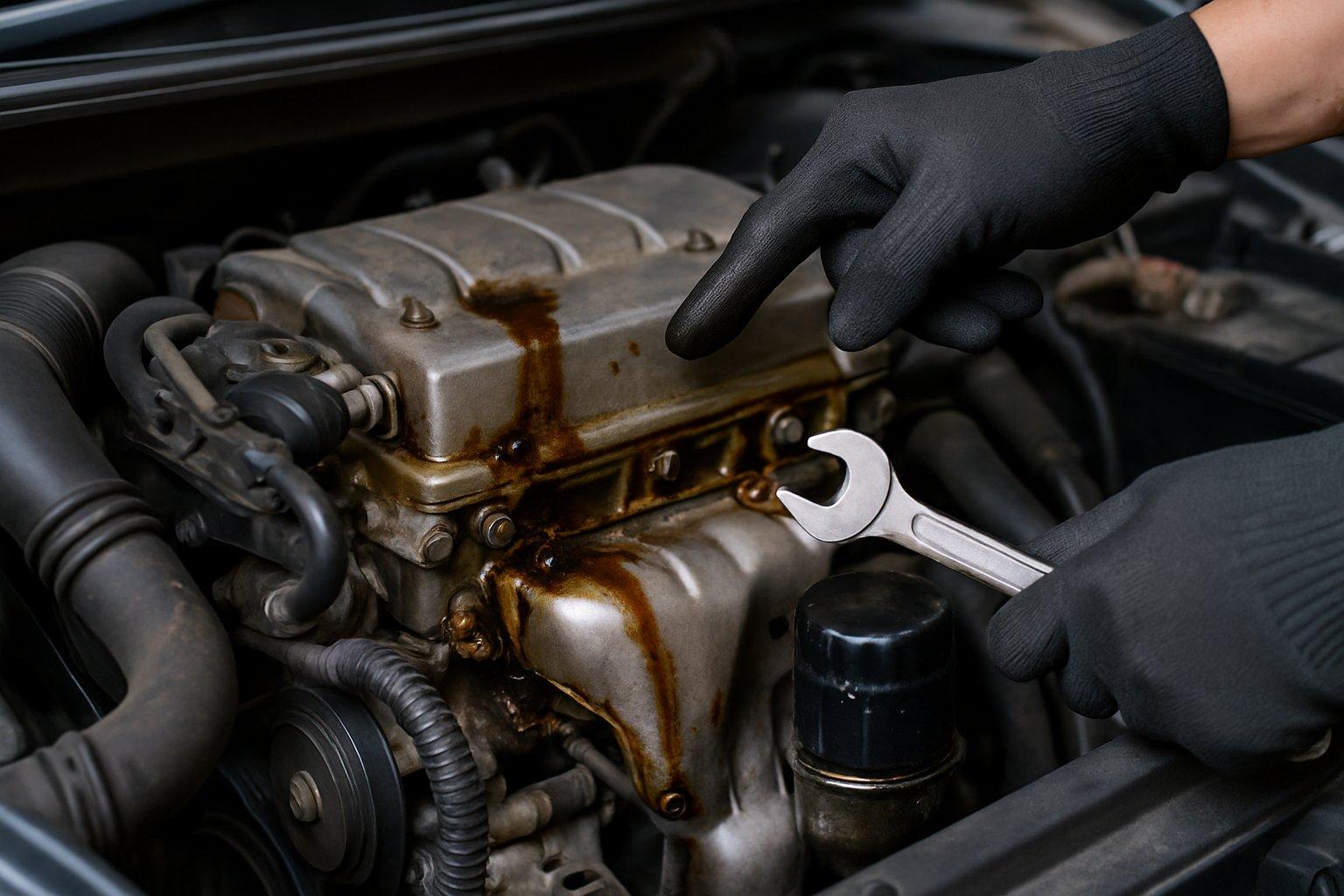
Several internal engine components can fail and create low oil pressure conditions that lead to rapid oil consumption. When engine bearings wear out, oil pumps malfunction, or filters become blocked, your engine can’t maintain proper lubrication.
Worn Engine Bearings
Engine bearings create tight seals between moving parts like the crankshaft and connecting rods. When these bearings wear down, they create larger gaps that allow oil to escape.
I’ve seen worn engine bearings cause oil to leak into places where it shouldn’t be. The oil gets burned off or leaks out instead of staying in the lubrication system.
Signs of worn engine bearings include:
- Knocking sounds from the engine
- Metal particles in the oil
Rapid oil level drops and engine vibration might show up too. High-mileage vehicles face the highest risk of bearing wear.
Once bearings start failing, they can damage other engine parts. The repair process is pretty involved and expensive.
Faulty Oil Pump
Your oil pump moves oil throughout the engine to keep all parts lubricated. When the pump fails, oil pressure drops and oil can leak from various engine seals.
A faulty oil pump can lead to excessive oil pressure that damages seals and gaskets. Sometimes pumps just can’t maintain steady pressure.
Common oil pump problems:
- Worn pump gears
- Cracked pump housing
Blocked pump intake and failed pressure relief valves are other issues. Low oil pressure from pump failure is dangerous.
Without proper pressure, oil can’t reach critical engine parts. The engine may consume more oil as it tries to compensate.
Clogged or Damaged Oil Filter
Oil filters remove dirt and debris from your engine oil. When filters get clogged or damaged, they create pressure problems that can cause oil loss.
A blocked filter forces oil to bypass the filtration system. Dirty oil can damage seals and create leaks throughout the engine.
Filter problems that cause oil loss:
- Complete blockage from debris
- Torn filter media
Damaged filter housing or using the wrong filter size can also cause trouble. I recommend checking your oil filter during every oil change.
Clogged oil filters are common causes of low engine oil pressure that lead to bigger problems. Damaged filters can’t maintain proper pressure.
This forces your engine to work harder and consume more oil than normal. Regular filter changes and using quality filters help prevent most issues.
Problems With Oil Pressure and Sensor Systems
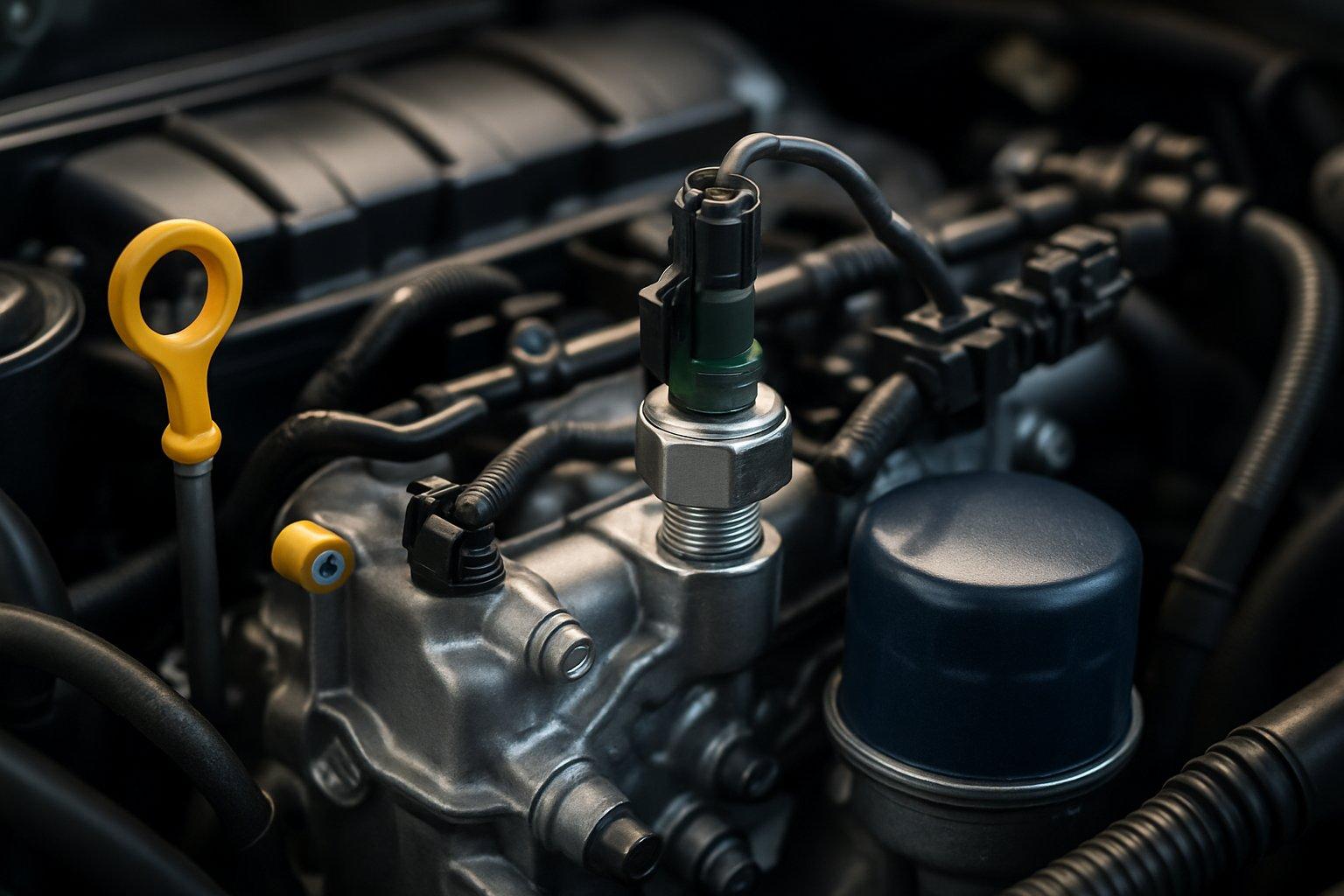
Oil pressure problems can come from actual mechanical issues or just faulty monitoring equipment. Sometimes it’s a real low oil pressure cause, other times it’s a sensor malfunction.
Low Oil Pressure
Low oil pressure creates serious engine damage when oil can’t reach moving parts properly. I see this most often when oil levels drop too low or when internal components wear out.
Common causes include:
- Insufficient oil in the engine
- Worn engine bearings
Faulty oil pumps and clogged oil pickup tubes are also suspects. When oil pressure drops, metal parts can rub together without enough lubrication.
This creates heat and friction that can destroy an engine quickly. I check oil pressure using a mechanical gauge connected directly to the engine.
Normal readings typically range from 10-80 PSI depending on engine speed and temperature. Engine wear and contaminated oil reduce pressure over time.
Oil Pressure Warning Light
The oil pressure warning light pops on when pressure drops below safe levels. This red light shaped like an oil can shows up on the dashboard when the system detects problems.
The light activates when:
- Oil pressure falls below 5-7 PSI
- The pressure sensor sends a signal to the computer
Electrical issues can also affect the warning circuit. I never ignore this warning light—continued driving can cause complete engine failure.
Sometimes the light flickers during idle but stays off during normal driving. This usually means oil pressure drops at low engine speeds due to worn components or low oil levels.
Modern cars may show oil pressure readings on digital displays. Those give more detailed info about actual pressure levels.
Faulty Oil Pressure Sensor
A faulty oil pressure sensor can trigger warning lights even when oil pressure is fine. I replace these sensors when they give false readings or fail to warn about real pressure problems.
Signs of sensor failure:
- Warning light stays on with good oil pressure
- Fluctuating pressure readings
No warning when pressure is actually low is another red flag. Testing the oil pressure sensor means comparing its readings to a mechanical pressure gauge.
If the mechanical gauge shows normal pressure but the sensor triggers warnings, I replace the sensor. Oil pressure sensors use electrical resistance or switches to monitor pressure changes.
They can fail from age, heat, or oil contamination. I install new sensors with proper thread sealant to prevent oil leaks.
Most sensors cost $15-50 and take about 30 minutes to replace if you can get to them.
External Factors Contributing to Oil Level Reduction
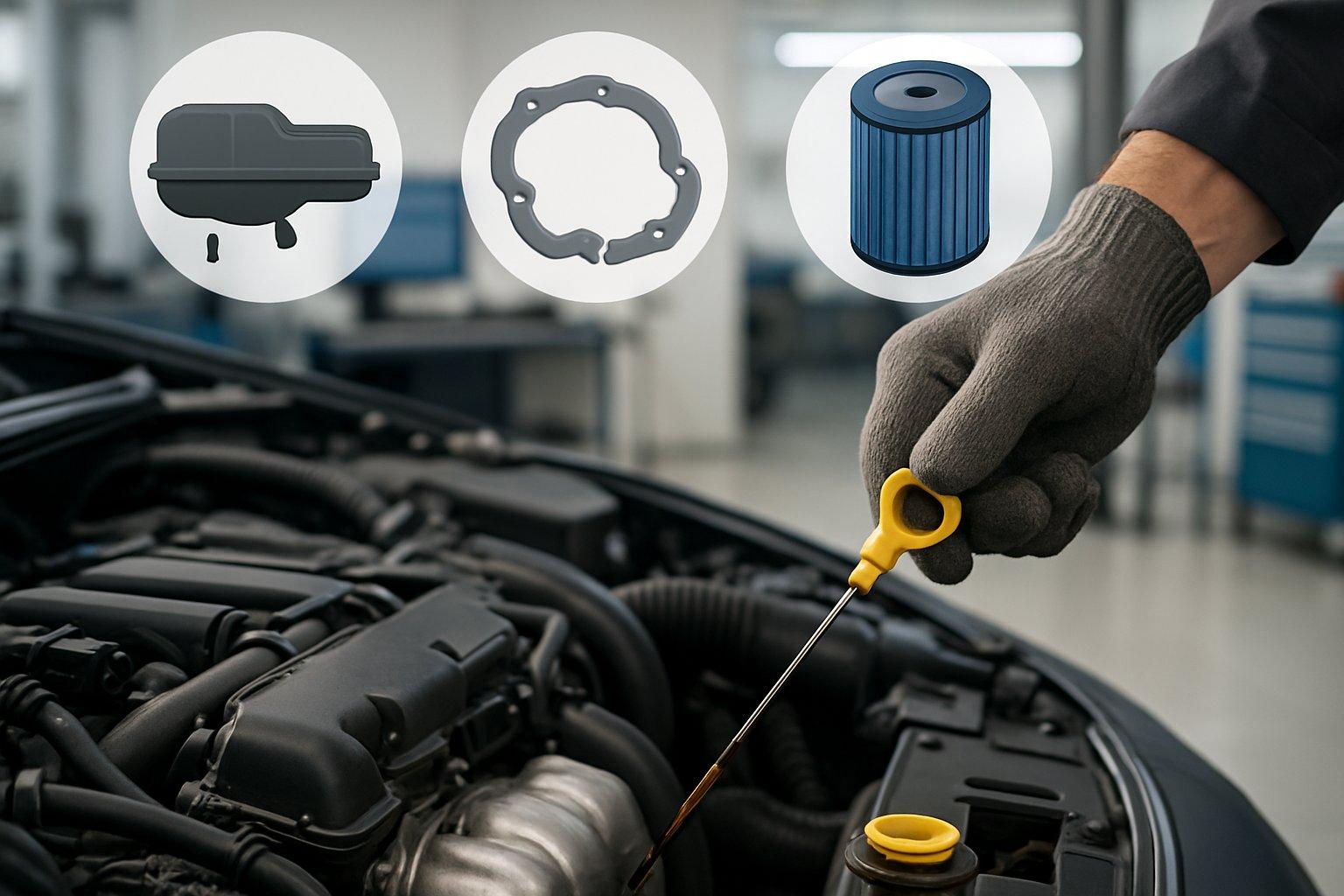
Using the wrong motor oil or making mistakes during oil changes can really impact your engine’s oil levels. These preventable issues often lead to faster oil consumption and potential engine problems.
Using the Wrong Type of Motor Oil
I’ve seen plenty of drivers use the wrong viscosity oil for their engines. This mistake can cause faster oil consumption and reduced lubrication.
Viscosity Problems:
- Thin oils burn off faster in high temperatures
- Thick oils don’t circulate properly in cold weather
Wrong viscosity increases engine wear. Your owner’s manual specifies the exact oil grade needed.
Common specs include 5W-30, 10W-40, or 0W-20. Using conventional oil in engines designed for synthetic can also cause problems.
Synthetic oils last longer and protect better at extreme temperatures. I recommend checking your manual before every oil change.
Using the right motor oil prevents unnecessary oil loss and keeps your engine running smoothly.
Improper Oil Fill Procedures
Messing up an oil change can cause instant oil level issues. I’ve seen a bunch of mistakes that leave engines running low.
Common Fill Errors:
- Not adding enough oil during a change
- Forgetting to tighten the drain plug
- Installing the oil filter wrong
- Spilling oil while pouring it in
Overfilling? That’s a whole different headache. Too much oil foams up and can blow out seals, eventually dropping your oil level anyway.
Measure before you pour. Most engines need between 4 and 6 quarts, but your manual’s the boss here.
I usually wait about ten minutes after filling before checking the dipstick. Oil needs a minute to settle down for a true reading.
How to Identify and Diagnose Low Engine Oil Levels
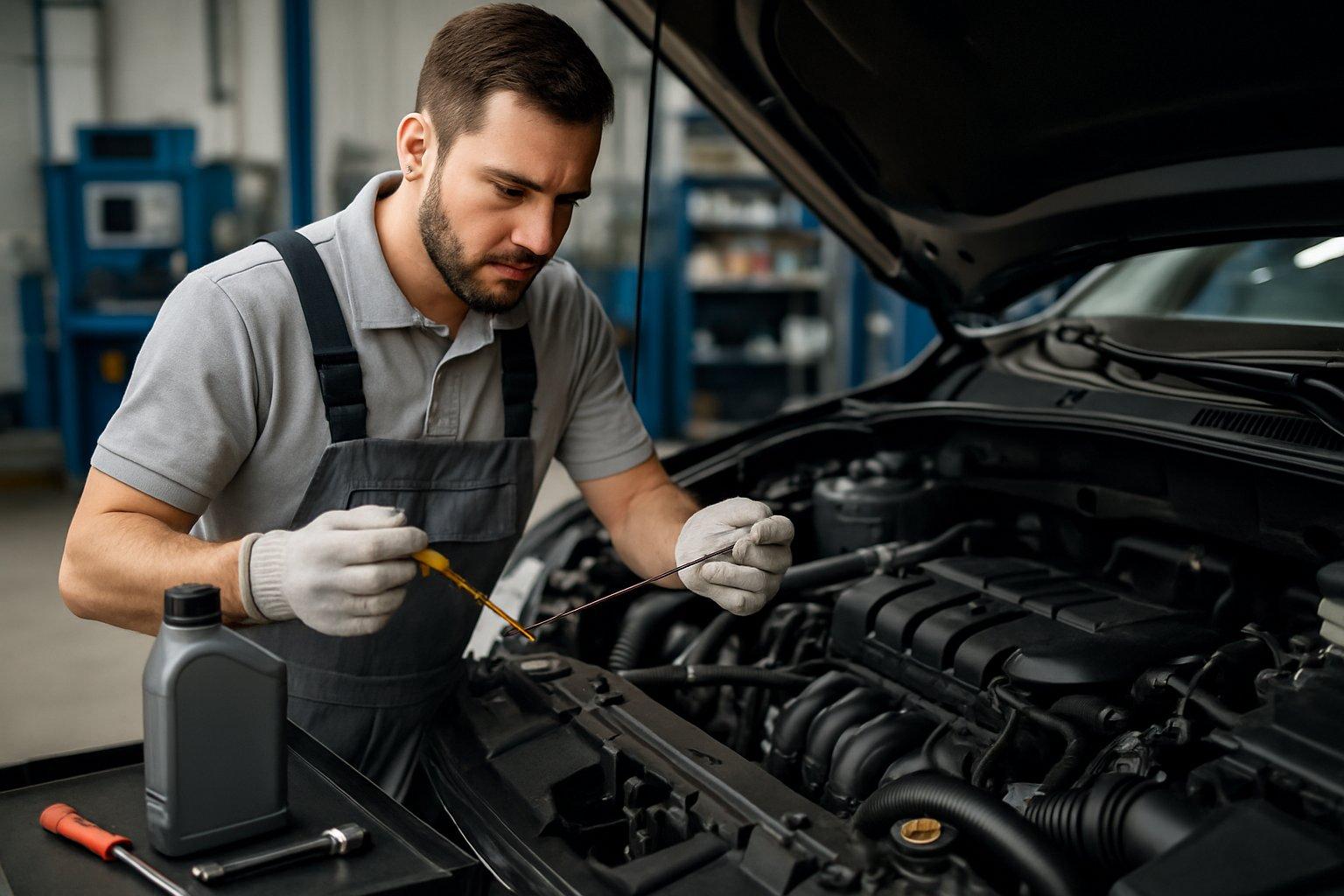
Finding out if your oil’s low comes down to three basic moves. Check the dipstick, hunt for leaks, and pay attention to those dashboard lights.
Checking Oil Level With Dipstick
The dipstick’s your best friend for figuring out oil levels. I always check it when the engine’s good and cold—let it sit at least ten minutes.
First, I pull the dipstick and wipe it clean, just to get a clear reading. Oil left on there can throw you off.
I push the dipstick all the way back in, making sure it bottoms out. Then I pull it again and see where the oil line lands.
Most dipsticks have minimum and maximum marks, or sometimes a crosshatched section.
Normal Oil Level:
- Oil sits between the marks
- Crosshatched area is coated
- Oil looks dark brown or black, but not gritty
Low Oil Level:
- Oil line’s below the minimum
- Dipstick barely shows any oil
- You might see a “add one quart” message
If you’re below the minimum, add oil right away. Low oil can kill an engine faster than you’d think.
Inspecting for Oil Leaks
Leaks are a classic reason for dropping oil levels. I look for obvious clues about where oil’s sneaking out.
First stop: under the car. If you see dark brown or black spots where you park, that’s fresh oil.
Oil stains under the car mean you’ve got a leak to fix.
Common Leak Locations:
- Oil pan: Drips straight down from the engine’s bottom
- Valve cover gasket: Oil pools up top, sometimes around spark plugs
- Oil filter: Messy spray on one side of the engine
- Drain plug: Slow, steady drip from the center underneath
I also take a look around the engine bay. Oil likes to travel—belts, hoses, even electrical parts can get messy.
If you catch a burning oil smell while driving, oil’s probably hitting something hot. That creates smoke and a smell that sneaks into the cabin.
Blue smoke from the exhaust? That’s oil burning inside the engine. Usually means worn seals are letting it into the cylinders.
Monitoring Oil Pressure Indicators
Oil pressure lights are there for a reason. When oil’s too low or the pump can’t keep up, it’s time to stop.
The oil pressure warning is usually a red oil can on your dash. If that pops up, pull over—don’t risk it.
Low oil pressure warning lights are a big deal. Ignore them and you’re asking for trouble.
Oil Pressure Warning Signs:
- Red oil can stays lit
- Oil pressure gauge reads low or zero
- Engine starts making knocking or tapping noises
- Car feels rough, maybe even loses power
Some cars use gauges instead of just lights. Normal pressure is anywhere from 20 to 80 PSI, depending on how hard you’re pushing the engine.
I always listen for weird noises. If oil pressure drops, metal parts start fighting each other—knocking, tapping, rattling, you name it.
Engine Noise Indicators:
- Knocking: Heavy metallic thuds
- Tapping: Lighter clicks from up top
- Rattling: Shaky, loose sounds all over
Hear those with a warning light? Shut it off. Keep driving and you might as well start shopping for a new engine.
Preventative Maintenance Tips to Avoid Low Oil Levels
Regular oil changes and decent filters are your best bet for avoiding engine disasters. Routine checks catch problems before they turn into wallet-busters.
Establishing Regular Oil Changes
Follow the oil change schedule in your owner’s manual. Most newer cars want oil changes every 5,000 to 7,500 miles, but rough driving means you’ll need to do it sooner.
Rough driving conditions:
- Constant stop-and-go traffic
- Super hot or cold weather
- Lots of dust in the air
- Short trips under ten miles
I set reminders for my next oil change. Otherwise, it’s way too easy to forget and let things slide.
Fresh oil keeps everything moving and carries away gunk. Old oil just can’t protect like it should.
I keep a simple log in the glove box. It’s nothing fancy, but it helps me remember when I last changed the oil.
Routine Engine Inspections
I check my oil level once a month—takes barely five minutes. That habit’s saved me from some ugly repair bills.
My quick checklist:
- Check oil on level ground, engine cool
- Look for oil spots under the car
- Peek around the filter for leaks
- Check valve cover gaskets for any seepage
When I check, I look at the oil itself. Clean oil’s amber or black. If it’s milky, you might have coolant mixing in. Metal flakes are a bad sign too.
Keeping an eye on oil means you can catch problems before the dash lights up. By then, sometimes it’s already too late.
Weird noises? Knocking or ticking can mean low oil pressure or not enough lube.
Selecting Quality Oil and Filters
I stick with oil that matches my car’s specs. The manual tells you the right viscosity and type.
Oil viscosity examples:
- 5W-30: Works for most situations
- 0W-20: Great for newer engines and fuel savings
- 10W-40: Good for older, high-mileage rides
I don’t cheap out on filters. A good filter keeps junk out of your engine.
Synthetic oil usually lasts longer and protects better, especially in extreme temps. It flows better in the cold and doesn’t break down as fast when things get hot.
Mixing oil brands or types? I avoid it unless I’m desperate. Different formulas can mess with each other.
High-mileage oils have additives that help seal leaks in older engines. Handy if your car’s over 75,000 miles.
Potential Consequences of Neglecting Low Oil Levels
I’ve seen people ignore low oil warnings. Honestly, it’s asking for trouble. Running low on oil sets up your engine for disaster, and repairs aren’t cheap.
Risks of Engine Damage
Low oil can wreck an engine fast. Without enough, metal parts grind together and heat builds up.
The friction damage? It starts almost immediately. Pistons scrape cylinder walls, bearings wear out, and it just gets ugly from there.
Heat spikes like crazy when the oil’s low. Oil’s supposed to pull heat away, but if there’s not enough, parts overheat in no time.
Stuff I’ve seen includes:
- Scored cylinder walls from piston scraping
- Seized pistons that just lock up
- Worn bearings that start knocking
- Valve damage from too much heat
Damage from low oil can start in just a few minutes. The longer you run it, the worse—and more expensive—it gets.
Threat of Complete Engine Failure
Complete engine failure is, hands down, the worst-case scenario when oil levels are ignored. The engine just stops working, and fixing it usually isn’t worth the cost.
Engine seizure—now that’s ugly. The moving parts basically melt together from all the heat and friction. The crankshaft locks solid, so nothing turns anymore.
At that point, you’re looking at a full engine replacement. I’ve seen a few engines go out like this, and it’s never pretty:
| Failure Type | Cause | Repair Cost |
|---|---|---|
| Seized pistons | No lubrication | $3,000-$6,000 |
| Crankshaft damage | Bearing failure | $4,000-$8,000 |
| Complete seizure | Total oil loss | $5,000-$10,000 |
Catastrophic failure usually comes out of nowhere. One minute the engine’s running rough, and the next, it’s just dead.
Low engine oil consequences can mean losing all power and mobility. If it gets to this point, you’re stuck with either rebuilding or swapping out the whole engine.
Most mechanics will tell you replacement is the way to go. Rebuilding a trashed engine just doesn’t hold up in the long run.
2 thoughts on “Top Reasons for Low Engine Oil Levels: Causes and Solutions”
Comments are closed.