
Your car’s engine needs oil to work properly, kind of like your body needs blood to keep going. Without clean oil, metal parts rub together and create heat that can destroy your engine.
Most car problems that cost thousands of dollars could easily be avoided with simple oil changes.
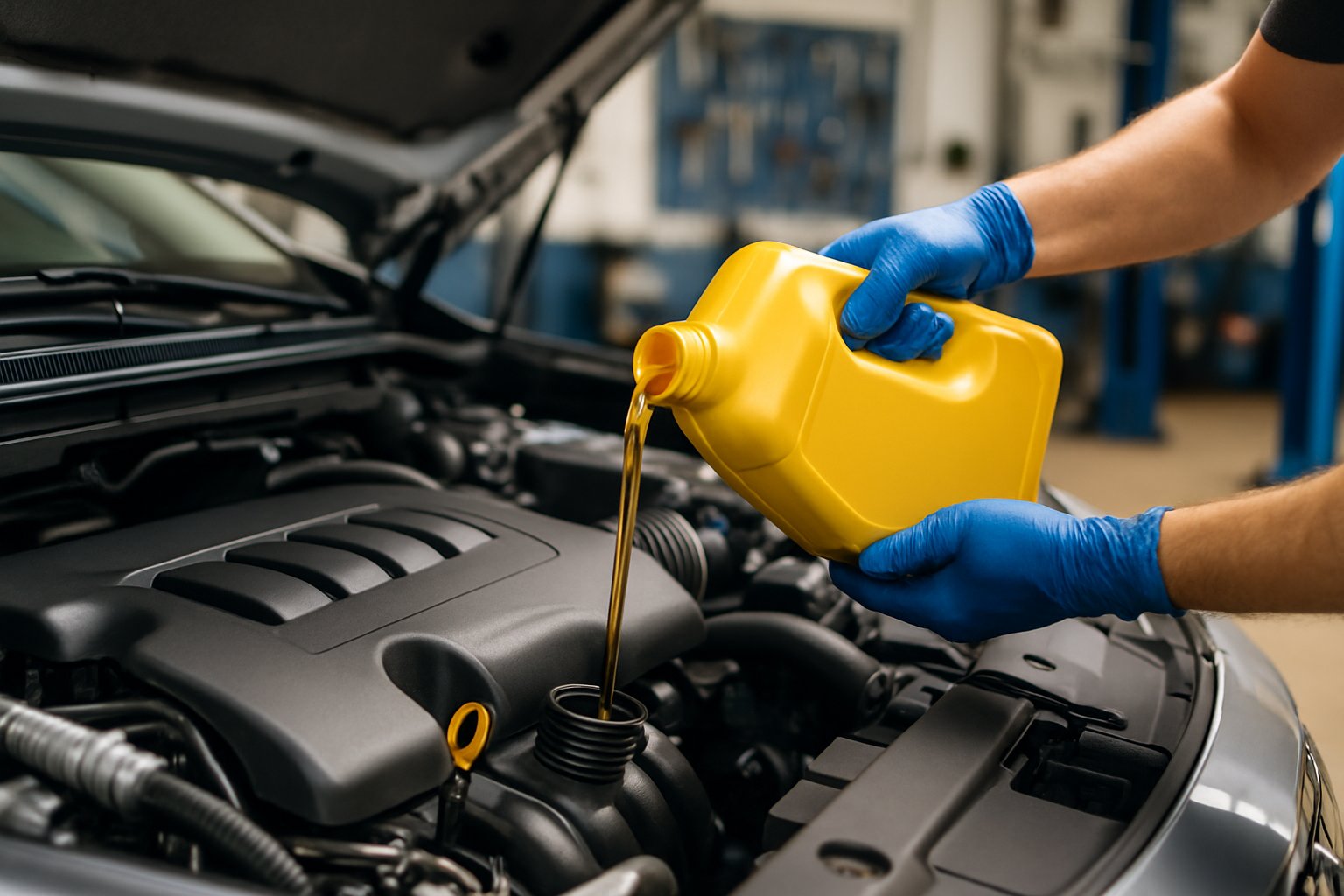
Regular oil changes are honestly one of the easiest and most important things you can do to keep your car running and avoid expensive repairs.
I’ve seen too many people ignore this basic task, only to face major engine problems later. Fresh oil keeps your engine parts moving smoothly and removes dirt that builds up over time.
In this guide, I’m going to show you why oil changes matter so much for your car’s health. You’ll see what happens when you skip oil changes, how often to change your oil, and whether you should do it yourself or visit a shop.
These simple steps can help your car last longer and run better every day. Let’s get into it.
Essential Role of Oil in Engine Performance
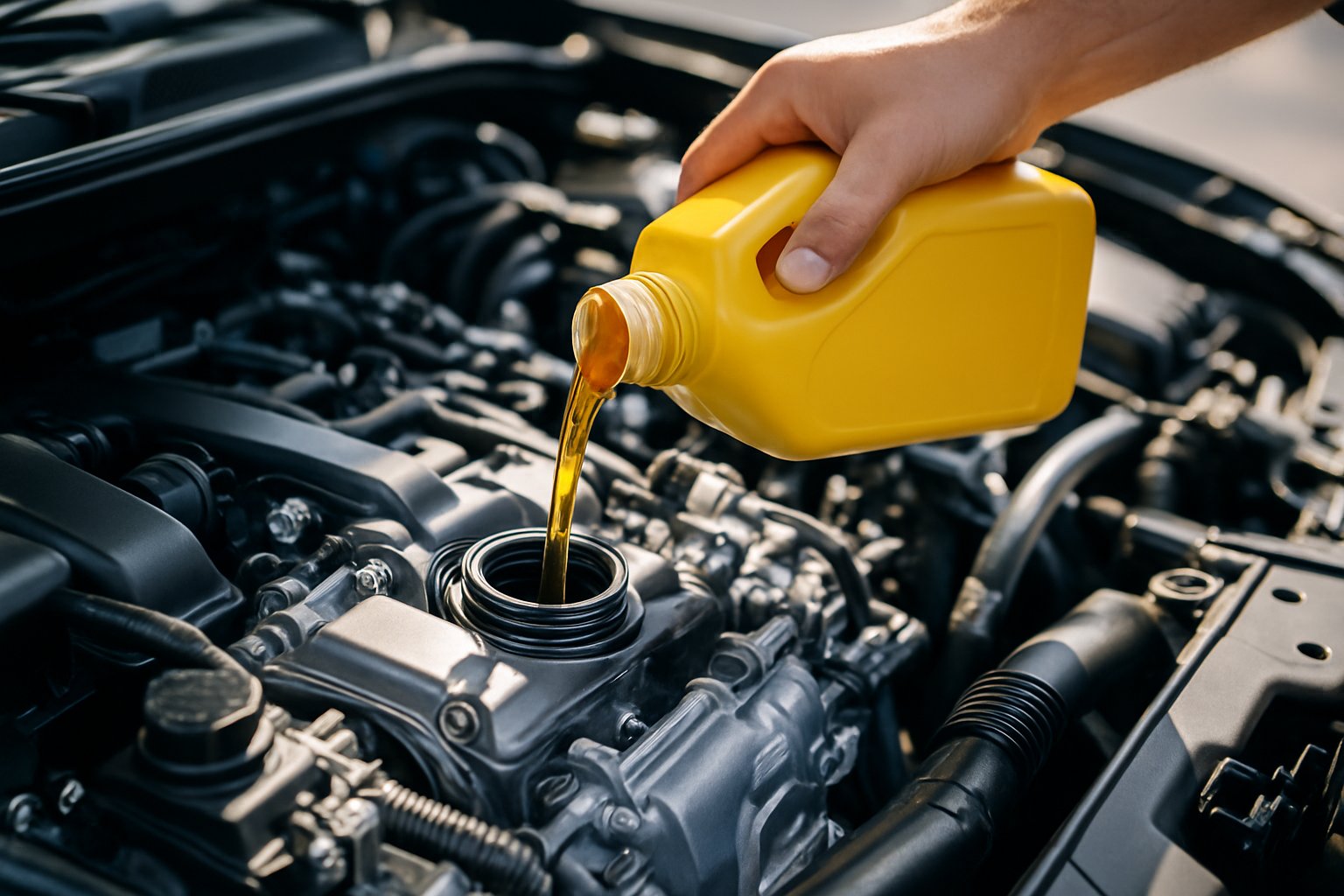
Oil acts as your engine’s protective barrier by reducing friction between moving parts. It also carries away excess heat and captures harmful particles that could damage components.
Lubrication and Friction Reduction
I’ve seen engines fail simply because folks underestimated oil’s most critical job: lubrication. When metal parts move fast against each other, they create friction that can destroy your engine.
Oil creates a thin film between these moving parts, preventing direct metal-on-metal contact. Without it, parts would grind together and wear down in no time.
Key components that need lubrication include:
- Pistons moving up and down in cylinders
- Crankshaft rotating in bearings
- Camshaft operating valves
- Connecting rods pivoting during combustion
Fresh oil keeps the right thickness to protect these parts. Old oil gets thin and loses its ability to form this protective barrier.
This is why I always recommend following your oil change schedule. It’s not just a suggestion—it’s critical.
Heat Dissipation
Your engine produces a ton of heat during operation. Oil helps move this heat away from critical components.
As oil circulates, it absorbs heat from hot metal surfaces and carries it to the oil pan, where it cools down. This cooling process protects parts from overheating and warping.
Oil helps cool these high-heat areas:
- Combustion chambers
- Exhaust valves
- Piston heads
- Cylinder walls
Without proper heat removal, your engine temperature would spike quickly. That leads to damage like cracked cylinder heads or seized pistons—nobody wants that.
Removal of Engine Contaminants
Oil acts like a cleaning agent inside your engine. It picks up dirt, metal particles, and other junk as it flows through the system.
These contaminants come from normal engine wear and sometimes from the outside. Tiny metal shavings form when parts rub together. Dust and dirt sneak in through the air intake.
Oil carries these particles to the oil filter, which traps most of them. Still, some particles stay in the oil and build up over time.
This is why oil turns black after use. The dark color shows the oil is doing its job by collecting harmful substances.
Consequences of Neglecting Oil Changes
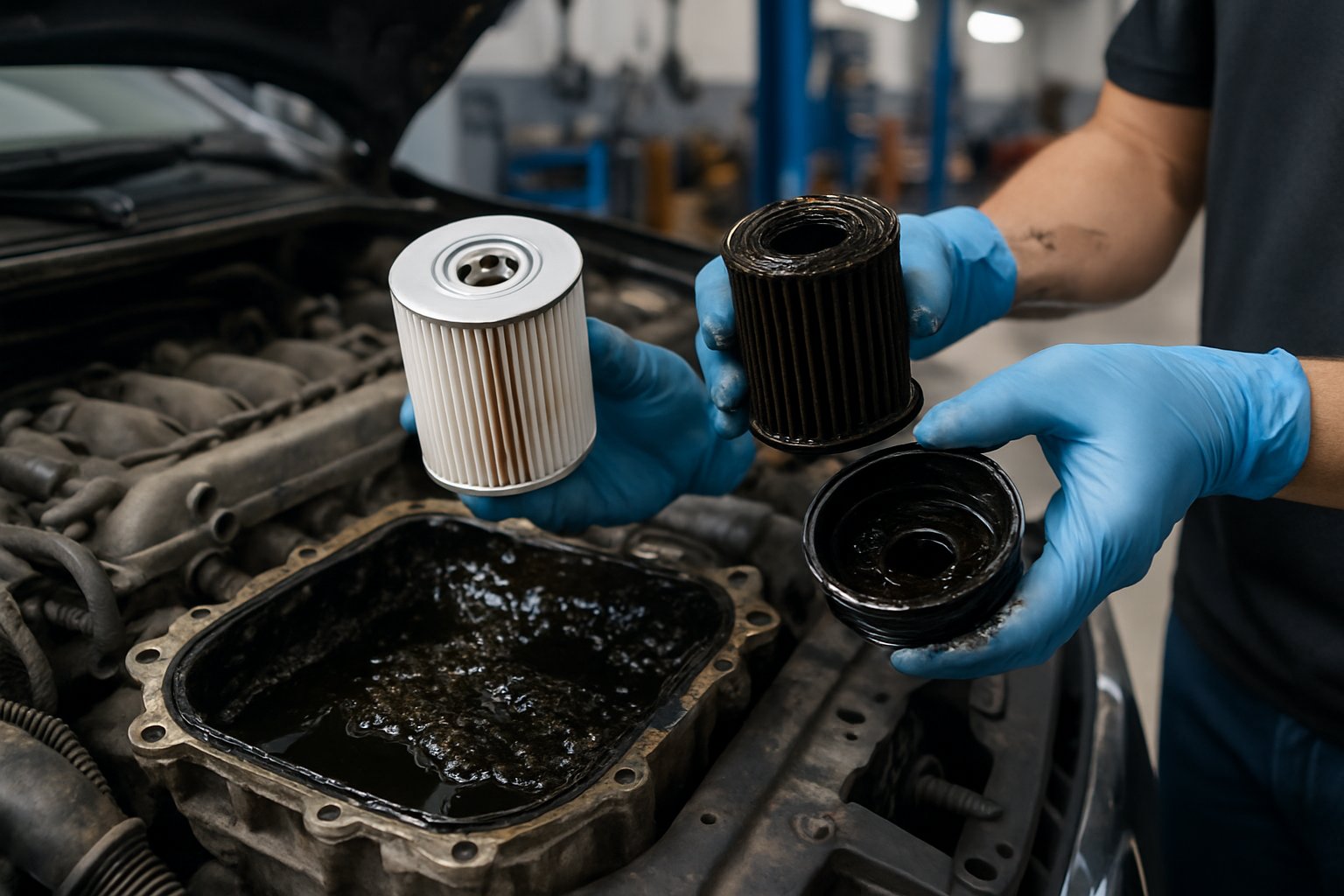
Skipping oil changes creates serious problems that cost money and damage your car. Dirty oil leads to engine parts wearing out faster, your car using more gas, and expensive repairs.
Increased Engine Wear
Old oil loses its ability to protect your engine parts. Clean oil creates a thin layer between moving parts like pistons and cylinders.
When oil gets dirty, it can’t do this job well. Metal parts start rubbing against each other without proper protection.
This metal-on-metal contact creates several problems:
- Scratched surfaces on engine parts
- Worn bearings that support moving parts
- Damaged cylinder walls where pistons move up and down
- Loose tolerances between parts that should fit tightly
Dirty oil also picks up metal pieces as parts wear down. These tiny metal bits act like sandpaper inside your engine, scratching and damaging other parts as the oil flows through.
Your engine works harder when parts don’t move smoothly. This extra work creates more heat and causes even faster wear.
Reduced Fuel Efficiency
Dirty oil makes your engine work harder to do the same job. This means your car burns more gas to go the same distance.
Thick, old oil doesn’t flow as easily as fresh oil. Your engine has to use more energy to pump this thick oil through all its passages.
When engine parts wear down from bad oil, they don’t fit together as tightly. This loose fit lets some power escape instead of moving your car forward.
Your fuel costs go up in these ways:
- More frequent gas station stops because your car drinks more fuel
- Lower miles per gallon on highway and city driving
- Wasted money on extra gas that fresh oil could have saved
The difference adds up pretty quickly. A car that usually gets 25 miles per gallon might drop to 22 or 23 with dirty oil.
Costly Repairs and Breakdowns
Skipping oil changes leads to expensive problems that cost way more than regular maintenance. Engine repairs often cost thousands of dollars.
Your engine can seize up completely when it runs without good oil. A seized engine stops working and usually needs to be replaced entirely.
Common expensive repairs from bad oil:
| Problem | Typical Cost Range |
|---|---|
| Engine rebuild | $3,000 – $5,000 |
| Engine replacement | $4,000 – $8,000 |
| Timing chain repair | $1,500 – $3,000 |
| Bearing replacement | $2,000 – $4,000 |
Your car might break down at the worst times. Getting towed and having emergency repairs costs more than planned maintenance.
Insurance and warranties often don’t cover damage from skipped maintenance. That means you pay the full repair cost yourself.
A basic oil change costs between $30 and $80. Compare that to thousands in engine repairs that come from neglecting this simple service—kind of a no-brainer, right?
Benefits of Regular Oil Changes
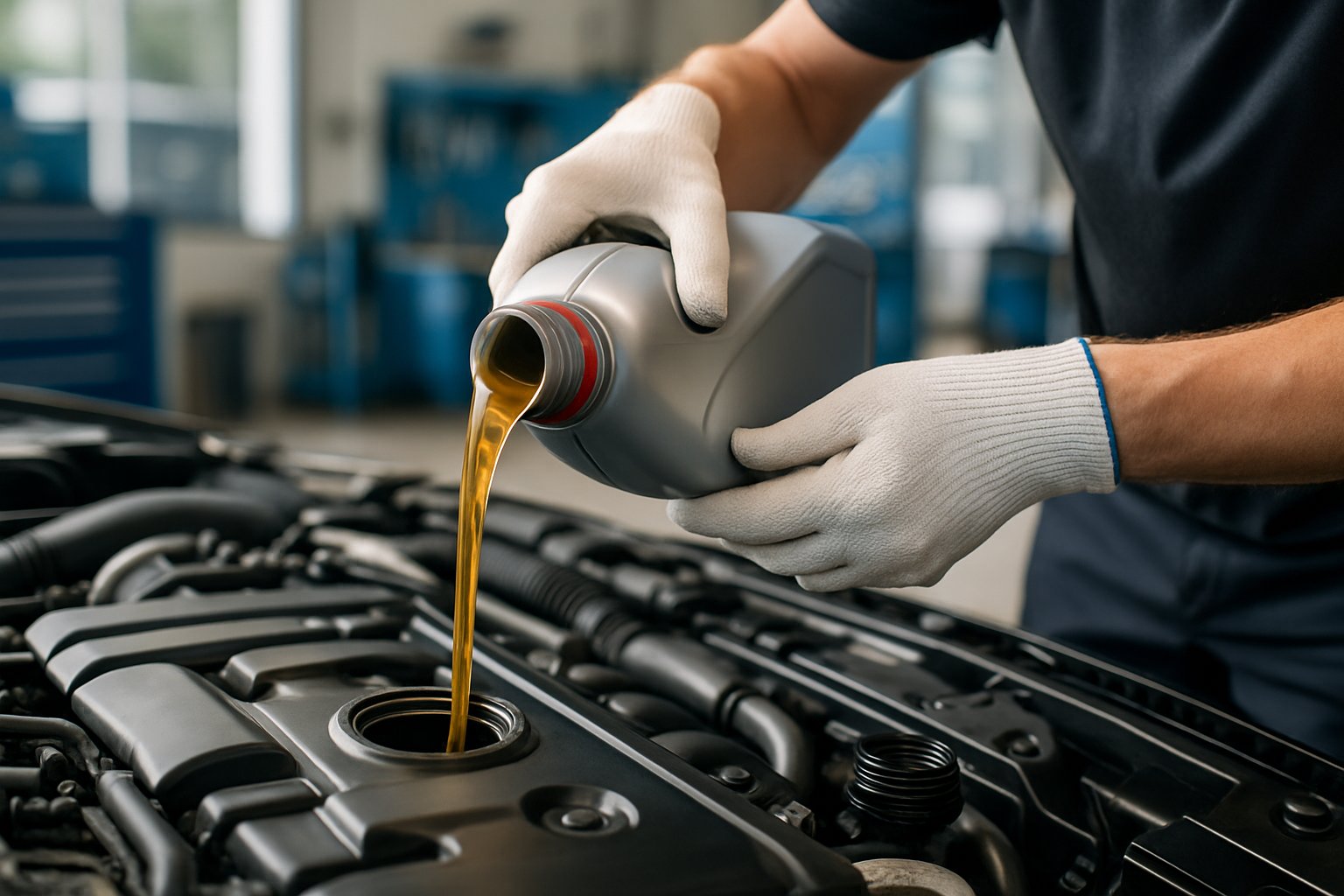
Changing your oil on schedule creates three major advantages for your vehicle. Fresh oil keeps engine parts working longer, reduces unexpected breakdowns, and helps your car meet emission standards.
Prolonged Engine Life
I’ve seen engines last twice as long when owners stick to regular oil changes. Clean oil keeps metal parts from grinding against each other, stopping wear and tear that can ruin an engine.
Old oil gets thick and dirty. It can’t protect moving parts like it should. When I change oil regularly, the engine stays cleaner inside.
Key factors that extend engine life:
- Fresh oil lubricates pistons and cylinders properly
- Clean oil removes dirt and metal bits
- New oil prevents sludge buildup
- Regular changes keep oil filters working
Engines with fresh oil run cooler. Heat damages engine parts over time. Clean oil moves heat away from hot spots better than old oil.
I recommend following your car maker’s oil change schedule. Most cars need new oil every 3,000 to 7,500 miles. Check your owner’s manual for exact timing.
Enhanced Vehicle Reliability
Regular oil changes prevent sudden engine problems that leave me stranded. Clean oil keeps all engine parts moving smoothly, reducing the chance of breakdowns.
Dirty oil clogs narrow passages in the engine. When oil can’t flow freely, parts don’t get enough protection. This leads to expensive repairs.
Common problems prevented by regular oil changes:
| Problem | How Fresh Oil Helps |
|---|---|
| Engine seizure | Keeps parts lubricated |
| Overheating | Removes excess heat |
| Poor performance | Maintains smooth operation |
| Costly repairs | Prevents major damage |
I’ve noticed cars with regular oil changes start more easily in cold weather. The engine runs quieter and smoother. These are signs of a healthy, well-maintained engine.
Fresh oil also helps other engine systems work better. The oil pump, filters, and cooling system all benefit from clean oil.
Optimized Emissions Performance
Clean oil helps my car pass emissions tests and pollute less. Fresh oil burns cleaner than old, dirty oil, which means less harmful exhaust gases.
Old oil creates more carbon deposits in the engine. These deposits make the engine work harder and create more pollution. Regular oil changes prevent this buildup.
Emissions benefits of fresh oil:
- Lower carbon monoxide levels
- Reduced nitrogen oxide production
- Less particulate matter in exhaust
- Better fuel combustion
I find that cars with fresh oil often get better gas mileage. Clean oil reduces friction inside the engine, so the engine doesn’t work as hard to move the car.
Many states require emissions testing for vehicle registration. Regular oil changes help ensure my car will pass these tests. Failed emissions tests can be costly and time-consuming to fix.
The right type of oil matters for emissions, too. Modern synthetic oils burn cleaner than older oil types. I check my owner’s manual to use the correct oil grade.
Recommended Oil Change Frequency
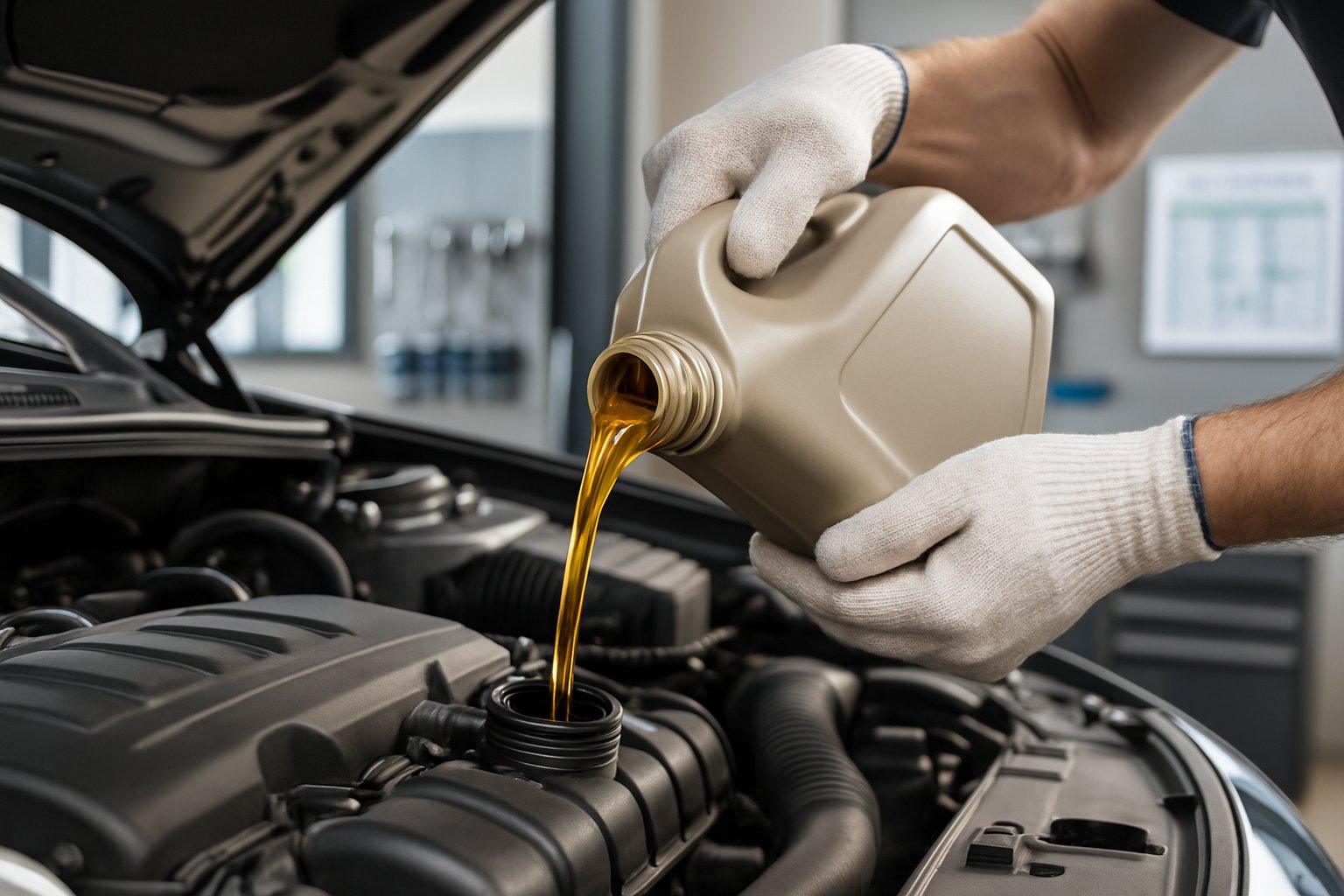
The right oil change schedule depends on your car’s oil type and how you drive. Most cars need oil changes every 5,000 to 7,500 miles with regular oil. Synthetic oil can last 10,000 to 15,000 miles.
Mileage and Time Intervals
I recommend following these basic guidelines for oil changes:
Conventional Oil: Change every 5,000 to 7,500 miles
Synthetic Oil: Change every 10,000 to 15,000 miles
Your car’s owner manual will give you the exact interval for your vehicle. Some newer cars with advanced engines can go longer between changes.
Time matters too, not just miles. I suggest changing your oil at least once a year, even if you don’t drive much. Oil breaks down over time and loses its ability to protect your engine.
Many quick-lube shops suggest 3,000-mile intervals. Honestly, that’s usually too frequent for modern cars and just wastes money.
Driving Conditions and Habits
Your driving style definitely changes how often you need oil changes. Here’s what I’d call “severe” driving conditions that mean you’ll need to change oil more often:
- Stop-and-go traffic in cities
- Short trips under 5 miles regularly
- Extreme temperatures (very hot or cold weather)
- Dusty or dirty road conditions
- Towing heavy loads
If you deal with these, you’ll want to change your oil every 3,000 to 5,000 miles. Don’t just wait for the standard interval.
Highway driving is a lot easier on oil. Long, steady trips help the engine stay clean, and your oil lasts longer.
Choosing the Right Oil for Your Vehicle
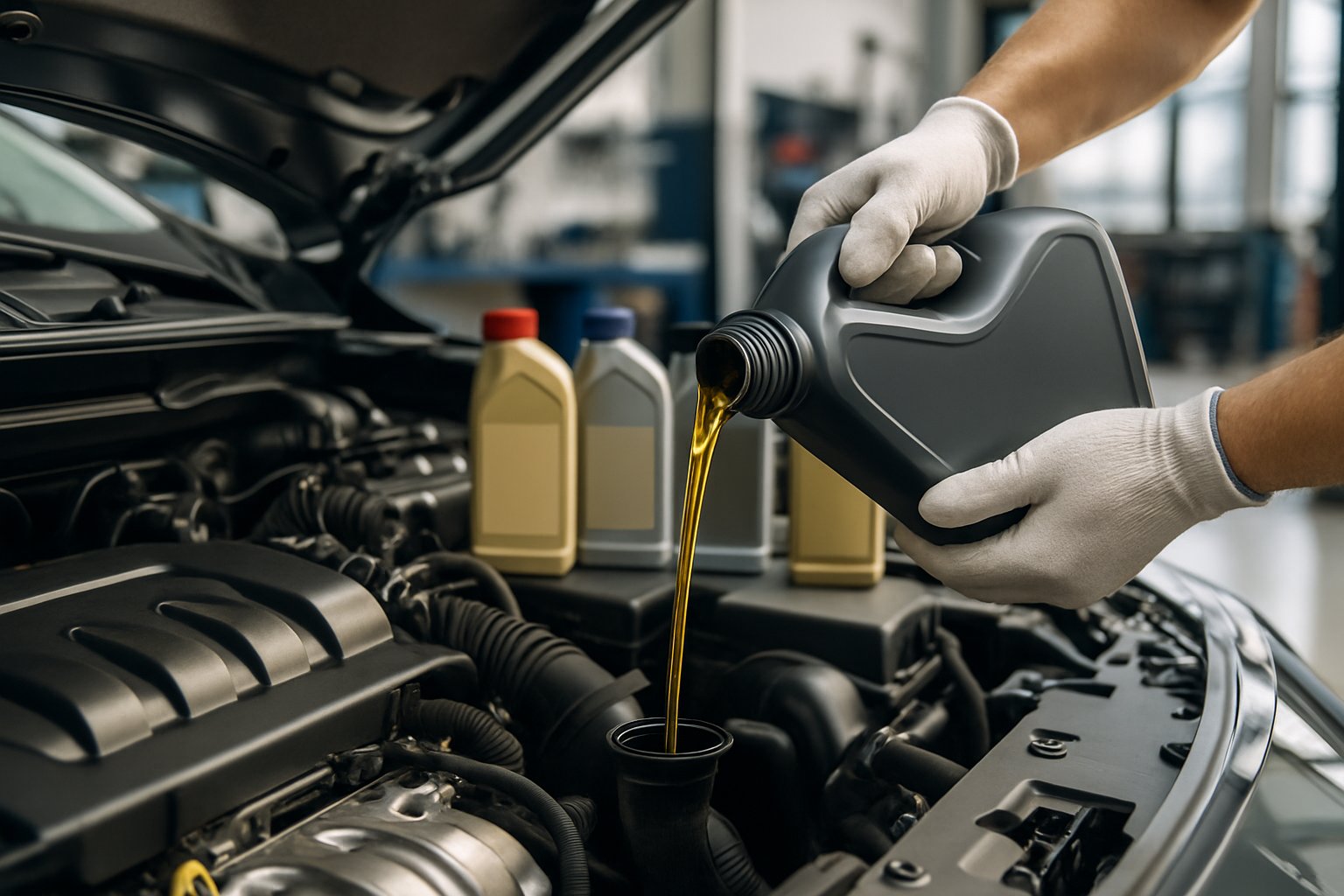
The oil you pick really matters for your engine. Knowing the difference between synthetic and conventional oils—and sticking with your manufacturer’s advice—gives your car the best shot at a long life.
Synthetic vs. Conventional Oil
Conventional oil is just refined crude oil. It’s cheaper, but it doesn’t hold up as well under heat or stress.
Synthetic oil, on the other hand, is lab-made. It flows better when it’s cold and doesn’t break down as fast when things get hot.
Here are the main things I’d look at:
| Feature | Conventional Oil | Synthetic Oil |
|---|---|---|
| Price | Lower upfront cost | Higher upfront cost |
| Change intervals | 3,000-5,000 miles | 7,500-10,000 miles |
| Temperature performance | Basic protection | Superior in extreme temps |
| Engine cleanliness | Standard cleaning | Better deposit prevention |
Synthetic oil is just better for high-performance engines. It also means fewer oil changes, so you might save money in the long run.
If you’re driving in really hot or cold places, or your car’s newer, I’d lean toward synthetic.
Manufacturer Specifications
Your owner’s manual will tell you exactly what oil viscosity your engine wants. You’ll see things like 5W-30, 0W-20, or 10W-40.
The first number shows how the oil flows in cold weather. The second number? That’s how thick it is when your engine’s warmed up.
Wrong viscosity can actually hurt your engine. If it’s too thick, it might not reach every part fast enough at startup.
Here’s what I always double-check:
- Oil viscosity grade (like 5W-30)
- API certification standards
- Specific brand recommendations
- Capacity requirements
Some cars, especially European ones, need special oil formulas. Low-ash oils are a thing for those.
Please don’t guess about oil specs. The wrong oil could void your warranty or wreck your engine—seriously, not worth the risk.
Environmental Impact of Proper Oil Maintenance

Keeping up with oil changes cuts down on harmful emissions. And if you dispose of old oil the right way, you’re helping keep soil and water clean.
Reduction of Harmful Emissions
Fresh oil in the engine means less friction. That’s what helps your car run smoother and burn less fuel.
Old oil gets thick and dirty. Letting it break down just makes your engine work harder, burning more gas and pumping out more pollution.
Cars and trucks are behind almost 20% of US carbon dioxide emissions. Regular oil changes can chip away at that by improving fuel economy.
Clean oil stops gunk from building up. That means more complete burning of fuel and fewer nasty exhaust fumes.
Regular oil changes help with:
- Lower carbon dioxide output
- Reduced nitrogen oxides
- Less particulate matter
- Maybe 1-2% better fuel efficiency
Responsible Oil Disposal
Used motor oil is loaded with toxic stuff. Just one quart can pollute up to 250,000 gallons of water—that’s wild.
Never dump it down drains or on the ground. That oil can get into groundwater and mess up ecosystems for ages.
Most auto parts stores or service centers will take your old oil. It can actually be cleaned and reused a bunch of times without losing quality.
Where to take used oil:
- Auto parts retailers
- Quick-lube shops
- Municipal recycling centers
- Dealerships
Recycling oil takes less energy than making new oil. That means less environmental impact from production and refining.
Professional vs. DIY Oil Changes
Getting your oil changed by a pro usually costs $40-$125. You get some extra services and don’t have to get your hands dirty. Doing it yourself saves cash, but you’ll need tools, time, and a plan for the old oil.
Advantages of Professional Service
Paying for a pro oil change isn’t just about the oil. For $40-$75 with conventional or $65-$125 with synthetic, you get more than you might think.
What’s usually included:
- Quick inspection of your ride
- Fluid level checks and top-offs
- New filter
- Proper disposal of the old stuff
- Techs who know what they’re doing
I don’t have to stress about messing something up when a pro handles it. They’ve got the tools and can spot issues I’d probably miss.
Plus, it saves me time. I can just chill or run errands while they deal with my car.
That inspection? It can catch problems early, which could save you a lot of money and headaches down the road.
Considerations for DIY Maintenance
DIY oil changes can save you a bit of cash, but you’ve got to plan ahead. I usually just pay for the oil and filter when I handle it myself, so it cuts down the total cost.
DIY requirements:
- Basic tools—think wrench, drain pan, jack.
- The right oil type and the right amount.
- A fresh oil filter.
- A safe spot to work.
- A plan for getting rid of old oil and filters.
Honestly, it gets messy. You’ll need to haul the used oil and filters to a recycling center, which isn’t always convenient.
Potential challenges:
- It’s easy to make mistakes if you’re not careful.
- You might miss other issues a pro would catch.
- Storing all the gear takes up space.
- Hot oil and cramped spaces aren’t exactly fun to deal with.
DIY oil changes really suit folks who actually like tinkering on their cars and have the right setup at home. The money you save depends on the oil you pick and what local shops are charging these days.
1 thought on “Importance of Regular Oil Changes for Engine Longevity and Performance”
Comments are closed.