
Your car’s fuel filter is pretty crucial—it keeps the engine running smoothly by trapping dirt, rust, and other junk before it can reach anything important. How often you need to change a fuel filter really depends on your ride; some need it every 20,000 miles, while others can go all the way to 150,000. Honestly, I’ve seen a lot of folks ignore this until they’re stuck with starting issues or lousy gas mileage.
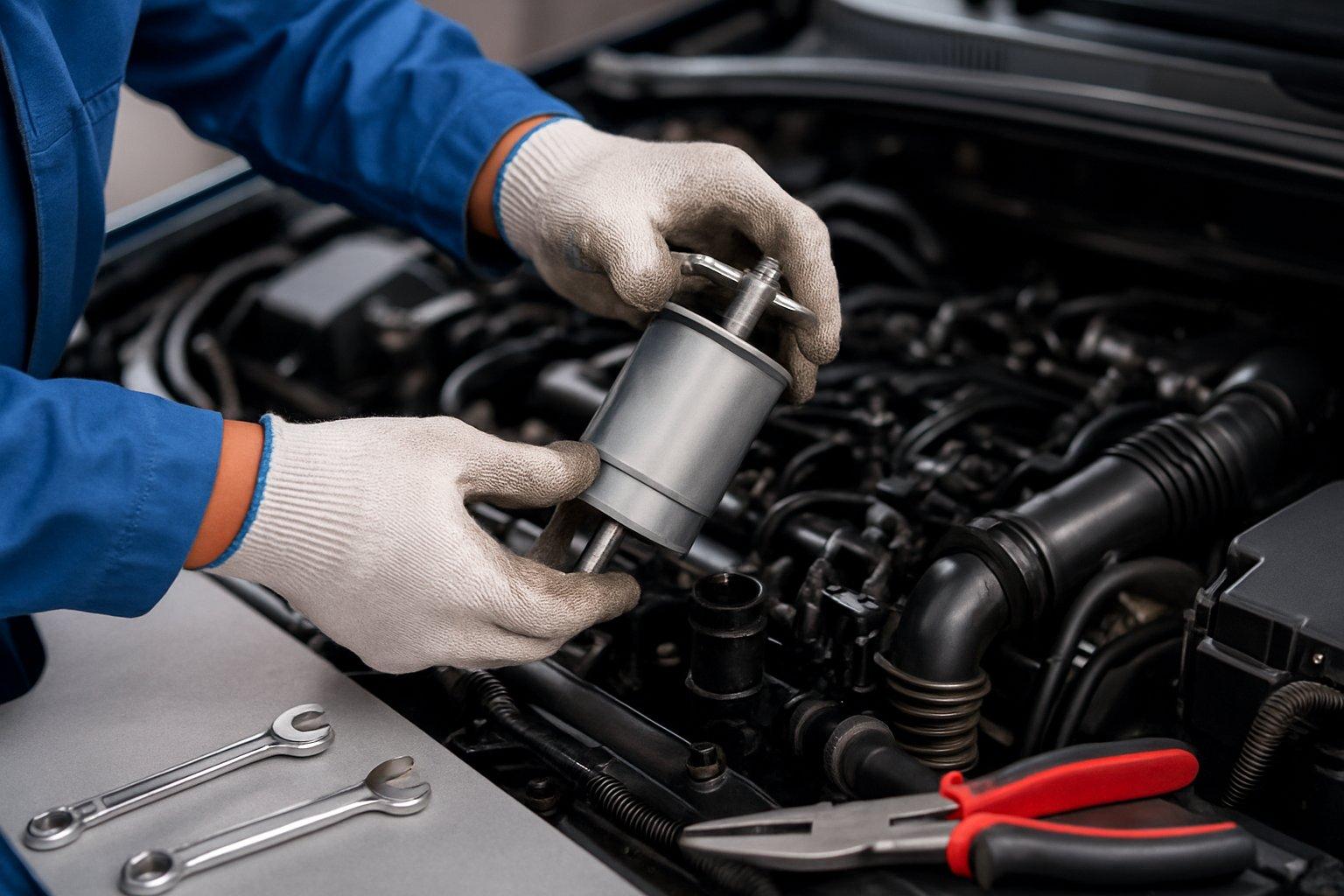
Knowing when and how to deal with your fuel filter can save you some serious cash on repairs later. A clogged fuel filter can cause all sorts of headaches, like hard starts, sluggish acceleration, and rough idling.
I’ll break down how to check, clean, and swap your fuel filter. Even if you’re not a DIY type, it’s worth understanding the basics so you can have a real conversation with your mechanic.
We’ll get into spotting trouble early, figuring out when to clean versus replace, and a few tips to help your filter last longer.
Understanding the Fuel Filter’s Role
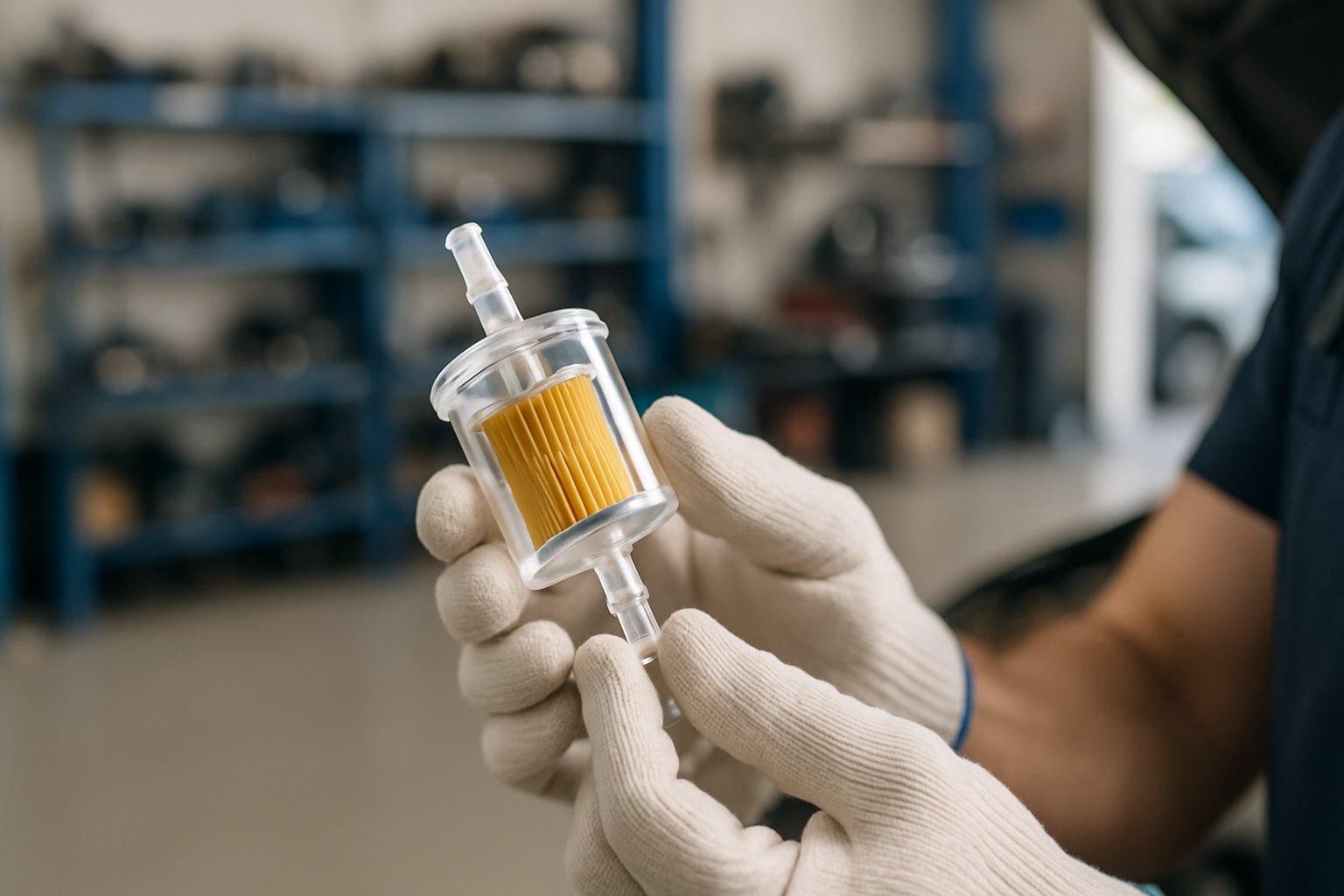
The fuel filter’s job is to catch nasty stuff in the gas or diesel before it gets to your engine. It sits between the tank and the engine, trapping dirt, rust, and other debris that could mess up your fuel injectors or just kill your performance.
Purpose in the Fuel System
Basically, the filter is a guard for the fuel system. It grabs particles that build up in the tank or sneak in from the fuel supply. Without it, all that gunk goes straight to the expensive parts.
The fuel filter’s role in engine performance is about keeping fuel flowing steadily under pressure. It uses materials like synthetic fabric or metal mesh—fuel gets through, but the bad stuff doesn’t.
When the filter’s doing its job, it stops crud from clogging up the injectors. Those injectors need clean fuel to work right, and a good filter actually helps keep the fuel pump from wearing out too soon.
Types of Fuel Filters
There are a few different kinds of fuel filters, depending on what you drive. In-line fuel filters are pretty standard in newer cars—they’re usually tucked along the fuel line between the tank and the engine.
Diesel trucks use filters that catch both water and particles. Those are often up in the engine bay, so they’re not too hard to get at if you need to swap them.
Some older rides with carburetors have two filters—one in-line and another made of sintered bronze right at the carburetor’s inlet. Filters might use paper or synthetic elements, and they’re rated by micron size to trap different stuff.
How Fuel Filters Protect Engine Components
There are three big ways the fuel filter saves your engine. First, it keeps dirt out of the injectors—otherwise, you’d get uneven fuel delivery and weak acceleration. Second, it blocks rust from the tank that could eat away at engine parts.
Proper fuel filter maintenance helps keep your whole vehicle healthy by shielding several components at once. If junk gets to the combustion chamber, you can get misfires and rough idling.
The fuel pump gets a break too when the filter’s clean. If the filter clogs up, the pump works overtime and can overheat or fail. Swapping the filter on time actually makes the pump last longer.
Common Signs of Fuel Filter Issues
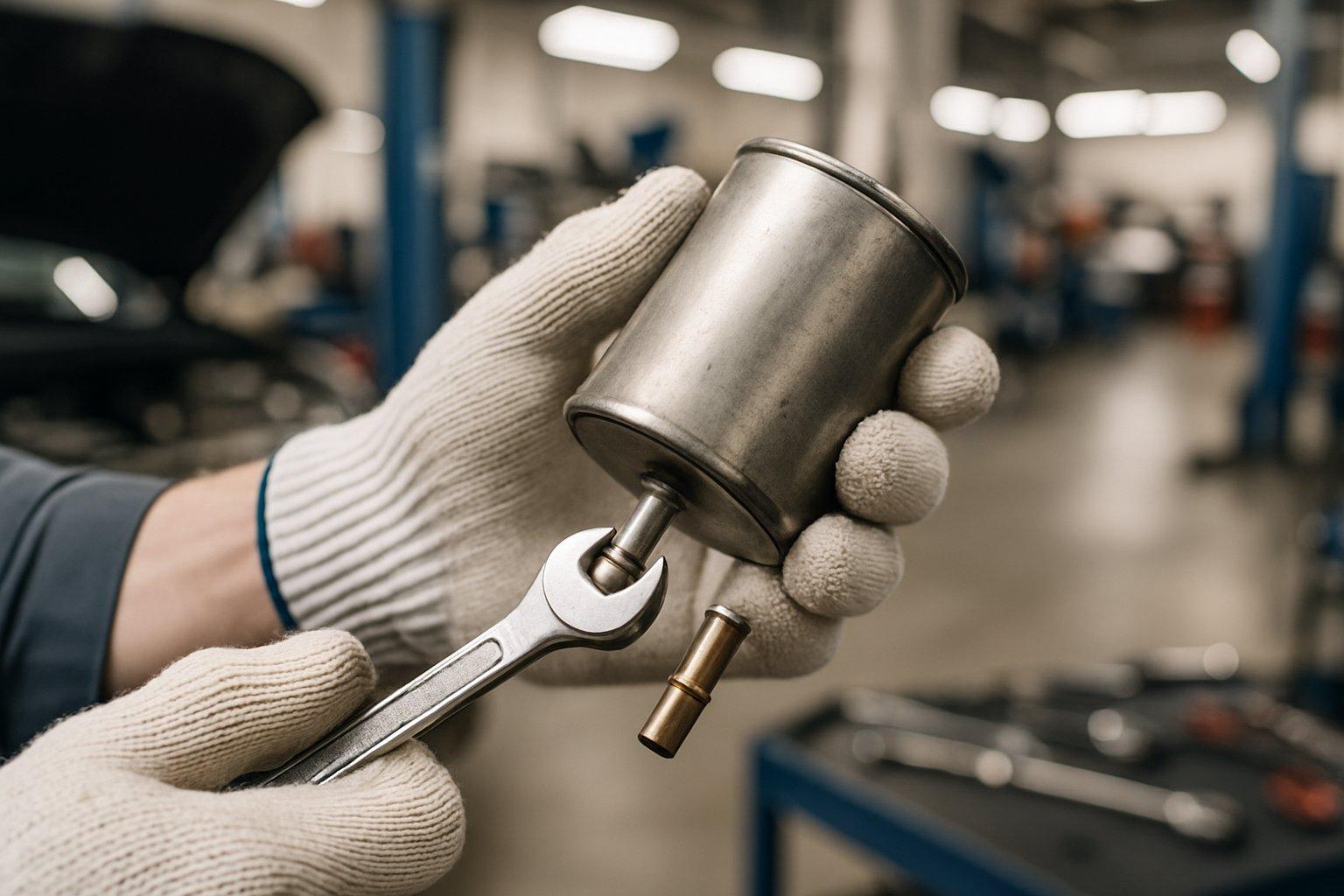
A dirty or dying fuel filter can really mess with how your car runs. Catching the warning signs early can save you a lot of hassle and money.
Symptoms of a Clogged Fuel Filter
When I check out cars with fuel filter problems, some issues pop up again and again. Hard starting is usually the first clue, especially when it’s cold out.
The engine can hesitate or stumble when you hit the gas. That’s because a clogged filter keeps fuel from getting where it needs to go. This gets worse if you try to accelerate fast or go uphill.
Engine misfires show up when dirt messes with fuel delivery. Stalling at idle or low speeds is another red flag.
Sometimes you’ll hear a whining fuel pump—the pump has to work harder when the filter’s blocked. I usually listen near the tank while someone revs the engine a bit.
Impact on Engine Performance
Performance takes a hit when the fuel filter clogs up. Reduced acceleration is common—sometimes the computer even limits power to keep things from getting worse.
Lower fuel mileage happens if the injectors get dirty and start spraying fuel all over the place. That just wastes gas and money.
The check engine light comes on if fuel pressure drops too low. Modern cars have sensors that pick up on this stuff pretty quickly.
In bad cases, I’ve seen engines just quit on hills, acting like they’re out of gas even when the tank’s full. Some cars go into limp mode to avoid damage if the pressure gets too low.
Fuel Leaks and Related Problems
Leaks aren’t as common as clogs, but they’re a big safety problem. I always look for cracks, rust, or loose parts on the filter housing that could let fuel escape.
If you smell a strong fuel odor around your car, check for leaks near the filter or lines. That’s nothing to ignore—it’s a fire risk.
Bad seals or O-rings at the filter connections can drip fuel, and those leaks just get worse over time. I keep an eye out for wet spots or stains under the car during routine checks.
How to Inspect Your Fuel Filter
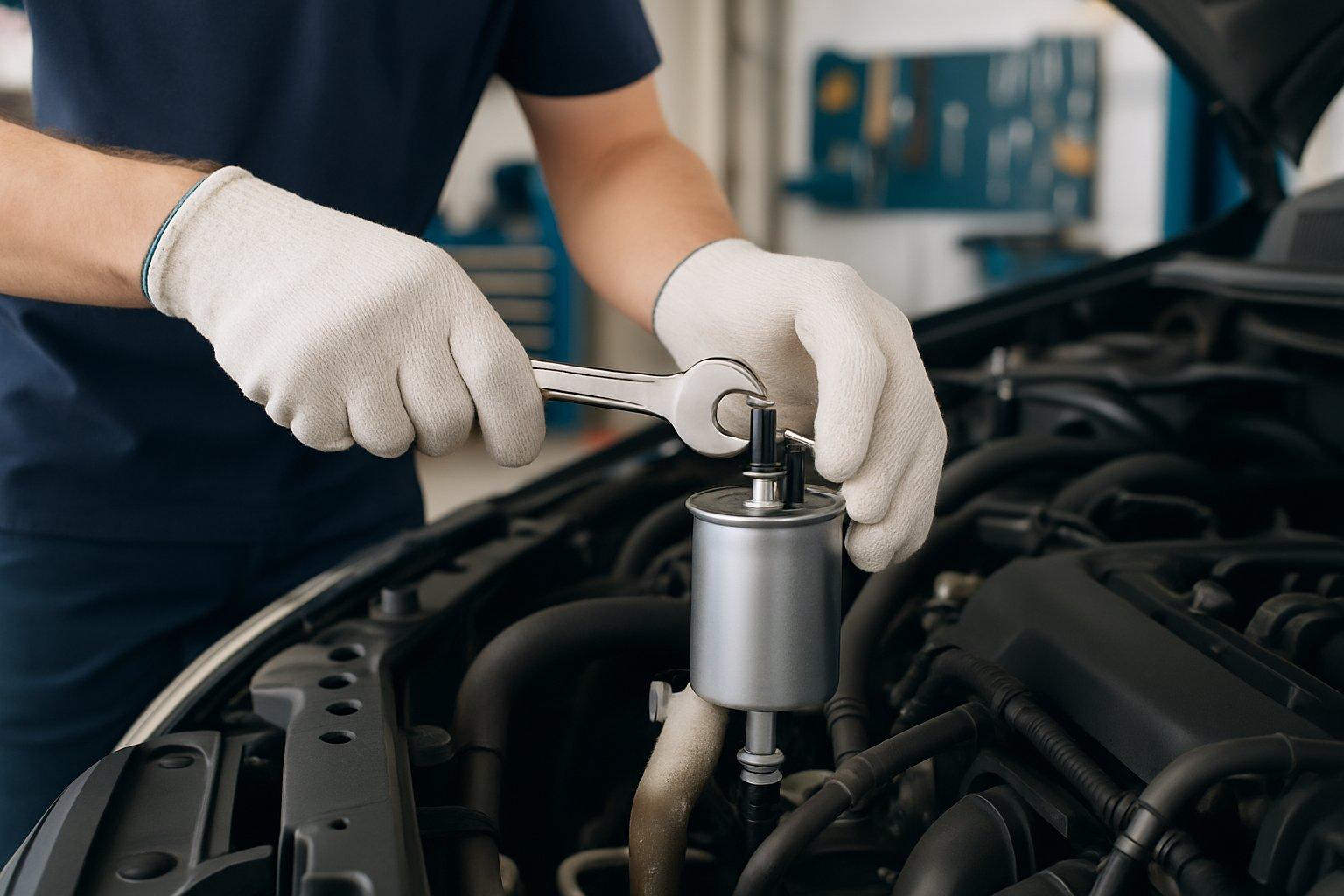
Checking your fuel filter means finding it, looking for damage or blockages, and sometimes measuring fuel pressure. This can help you spot problems before they turn into something major.
Locating the Fuel Filter
I always start with the owner’s manual to figure out where the filter is hiding. Usually, it’s along the fuel lines under the car near the tank or up in the engine bay. Some cars tuck the filter right into the fuel pump assembly inside the tank.
Make sure the car’s on level ground and the engine’s cool before you start poking around. On older vehicles, look for a cylinder hooked to the fuel lines. Newer cars might have the filter built into the pump module, so getting to it can be trickier.
Sometimes you’ll find it under the car along the frame rail. If you can’t see it outside, it’s probably inside the tank with the pump.
Visual Inspection Steps
Once I spot the filter, I check the outside for rust, cracks, or other damage. If it looks rough, swap it out right away.
For inline filters, you can see, look for dirt or gunk inside clear housings. Dark color or visible particles mean it’s time for a change. I also check the lines for cracks or leaks.
If I can, I pull the filter and try blowing air through it. If it’s tough to get air through, it’s probably clogged. Always relieve fuel pressure first by pulling the pump fuse and letting the engine stall before disconnecting anything.
Testing Fuel Pressure
I use a fuel pressure gauge to check the system. The gauge hooks up to the test port on the fuel rail—usually right on the engine. Turn the key to “on” (but don’t start) to get the pump running.
Compare the reading to what the manual says it should be. If the pump is working but pressure is low, the filter might be the problem. Most cars run somewhere between 30-80 PSI, but check your specs.
If the numbers are low, that’s a big clue. I like to run the test with the engine on too, just to see if pressure drops under load.
Step-by-Step Guide to Fuel Filter Replacement
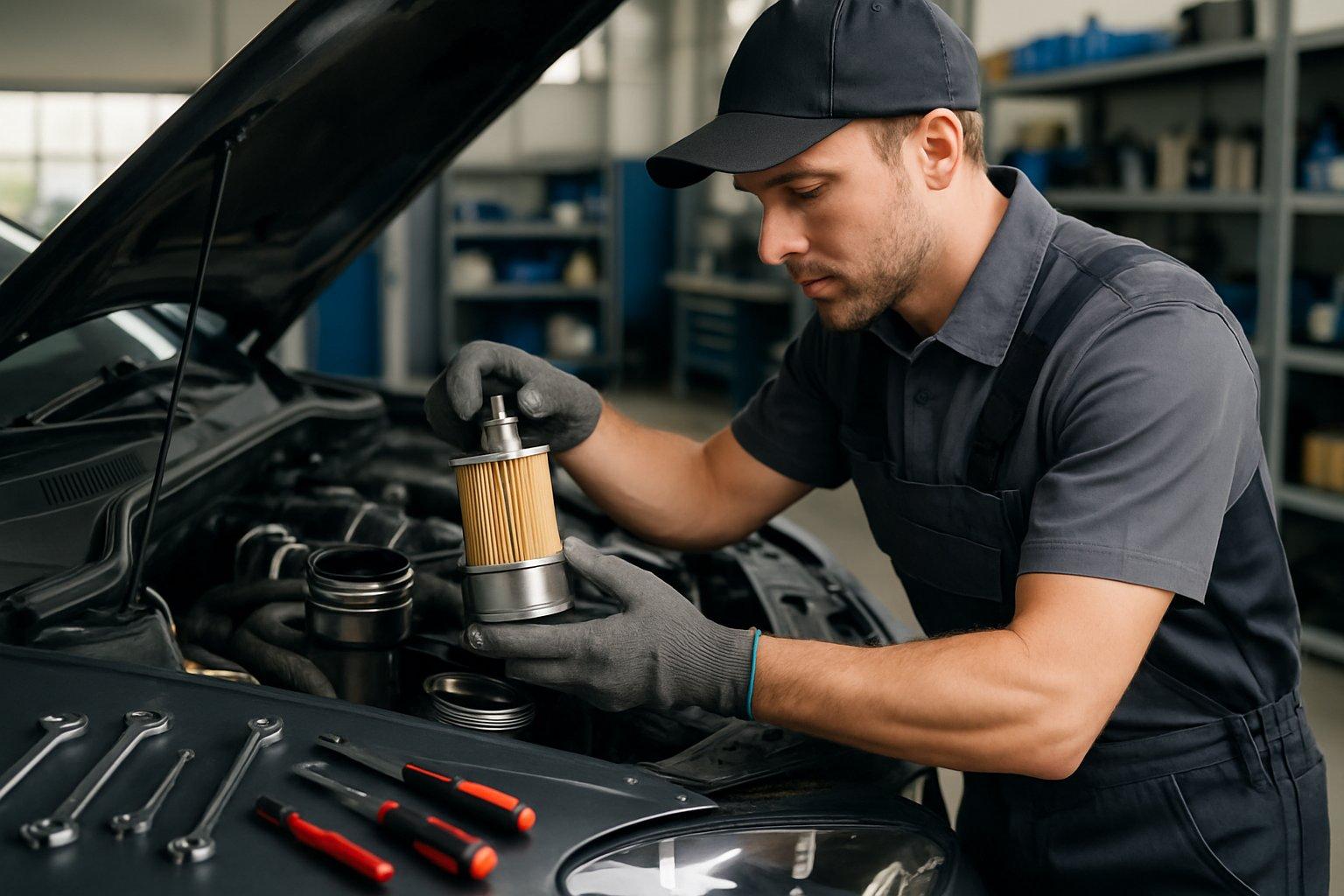
Swapping a fuel filter isn’t rocket science, but you do need to be careful and follow some safety steps. I’ll go over how to relieve the pressure, change the filter, and double-check your work.
Preparation and Required Tools
First off, get your tools and supplies together. You’ll need a new filter that fits your car, gloves, safety glasses, and something to catch any spilled fuel.
Grab wrenches or a socket set, screwdrivers, and a few rags. Some cars need a special disconnect tool for the fuel lines. I always have a fire extinguisher nearby—better safe than sorry.
Work somewhere with good airflow, and keep away from flames or anything that sparks. Gas vapors are no joke.
If the filter’s under the car, use a jack and jack stands. Never trust just the jack alone.
Essential Safety Items:
- Safety gloves and glasses
- Fire extinguisher
- Well-ventilated workspace
- Container for fuel spillage
Relieving Fuel System Pressure
The fuel system’s under pressure, so you have to let it out before touching anything. Find the fuel pump fuse or relay in your manual.
Start the engine and let it idle. Then, pull the pump fuse—this cuts power, and the engine will sputter out as it burns off the last of the pressurized fuel.
Once it stalls, turn the ignition off. That way, you won’t get sprayed with fuel when you disconnect the filter.
Unhook the negative battery cable too, just to be safe. Give it a few minutes for any leftover pressure to fade before you start loosening lines.
Removing and Installing the Fuel Filter
I start by finding my fuel filter. It’s usually along the fuel line under the car, close to the fuel tank, or tucked away in the engine bay.
Some newer vehicles hide the filter inside the fuel tank, right with the pump, which can be annoying.
I slide a container underneath to catch any fuel that drips out. Then, I disconnect the fuel lines on both ends of the filter with the right tools.
A bit of fuel always leaks at this step—there’s just no way around it.
I remove the bolts or clamps holding the filter and pull the old one out. Before putting in the new filter, I double-check that it matches the old one in size and shape.
The new filter has an arrow on it for fuel flow direction. I make sure it’s pointing toward the engine—this part’s non-negotiable.
I reconnect the fuel lines and tighten all clips or clamps, but I’m careful not to go overboard. Over-tightening can wreck the fittings and cause leaks, which nobody wants.
Final Checks for Proper Installation
Time to reconnect the battery and put back the fuel pump fuse or relay. I don’t crank the engine yet—I just turn the key to “On.”
This lets the pump pressurize the system. I usually repeat this two or three times and listen for the pump each time.
I check all the connections around the filter for leaks. I pay extra attention to where the fuel lines meet the filter.
Once I start the engine, it should idle smoothly. I let it run for a bit and keep an eye (and nose) out for leaks or fuel smells. If something’s off, I kill the engine and check everything again.
Proper Cleaning and Maintenance Practices
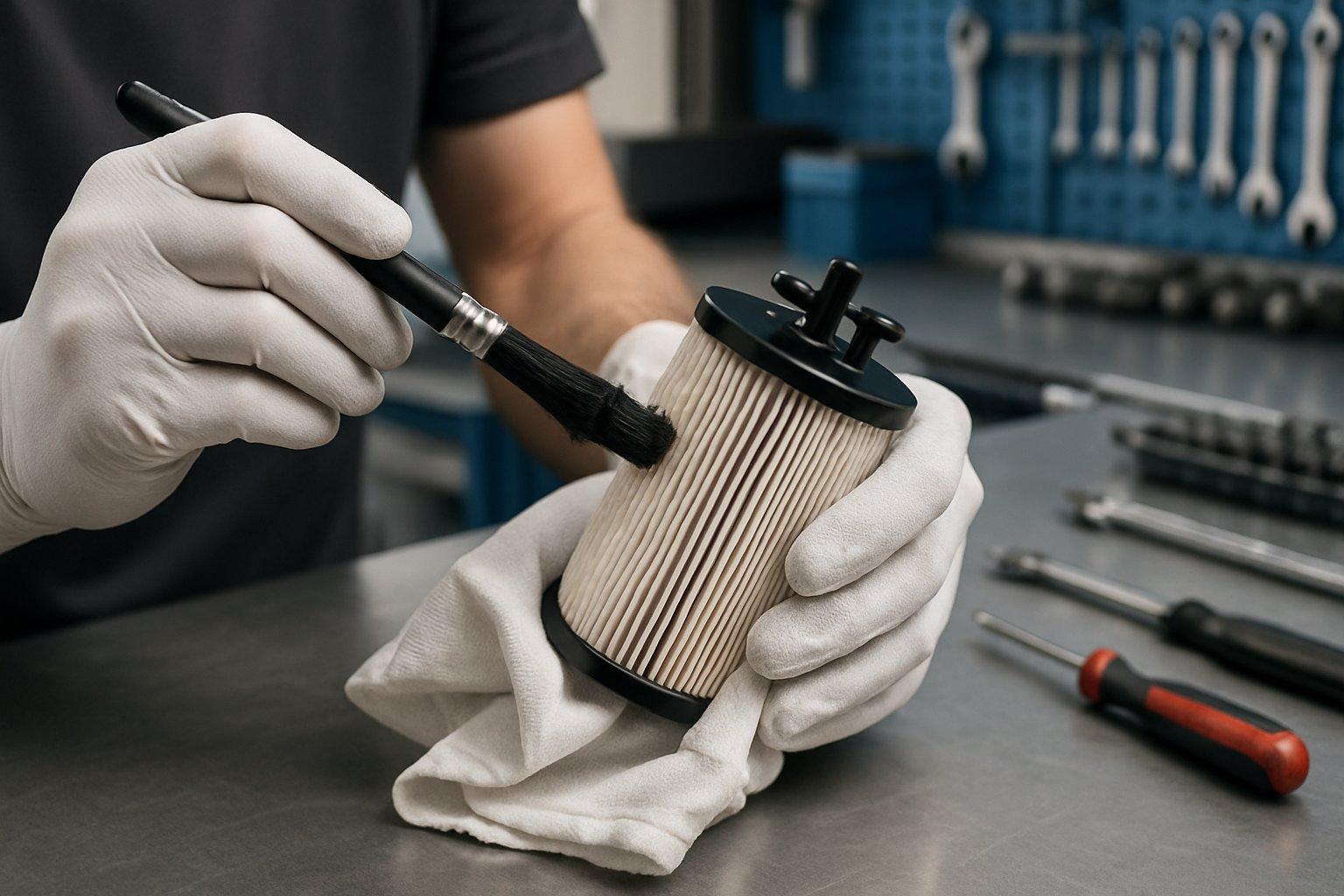
Most fuel filters are meant to be swapped out, not cleaned. Still, some old-school metal filters can be serviced if you’re careful and know when cleaning is actually worth it.
When to Clean vs. Replace
I usually just replace modern fuel filters. Paper and synthetic ones trap junk deep inside, so cleaning doesn’t really work.
Metal inline filters from older cars might be cleanable, but only if they’re not totally clogged. I always check the manufacturer’s advice first. Cleaning only makes sense for certain metal filters.
I stick to the replacement intervals in my vehicle’s manual—usually every 12 to 24 months. If I notice weak engine power, hard starts, stalling, or worse mileage, I don’t wait—I replace the filter right away.
Safe Cleaning Procedures for Serviceable Filters
Whenever I clean a filter, I make sure I’m in a well-ventilated spot, far from sparks or flames. Gloves and goggles are a must—fuel isn’t something to mess around with.
I relieve the fuel pressure first by pulling the fuel pump fuse and running the engine until it dies. Then I find the filter, disconnect the lines, and catch any fuel that spills out. I pull out the filter and check for damage or nasty buildup.
For metal filters, I use a fuel system cleaner or solvent to scrub off visible gunk. I never use compressed air inside—too risky for the filter’s insides. After cleaning, I let it dry out before putting it back.
Once the filter’s back in, I reconnect the lines and check for leaks with the engine running. If the filter’s still clogged or looks rough, I swap it out for a new one to keep things running right. Optimal fuel system performance depends on it.
Preventing Contamination During Maintenance
I keep my workspace tidy and use clean, lint-free rags for the job. Letting dirt get into fuel lines is asking for trouble.
While the filter’s out, I check fuel lines and connections for cracks or wear. Bad lines can let junk into the system. I also stick to buying fuel from stations I trust—cheaper gas can have more debris and water.
I never leave fuel lines open longer than I have to. I cap them right away to keep dust and moisture out. When it’s time to put in a filter, I double-check that the flow arrow points toward the engine.
Before reassembly, I inspect all rubber O-rings and seals. If they’re damaged, unfiltered fuel can sneak past the filter and straight into the engine—not good.
Preventative Measures for Fuel Filter Longevity
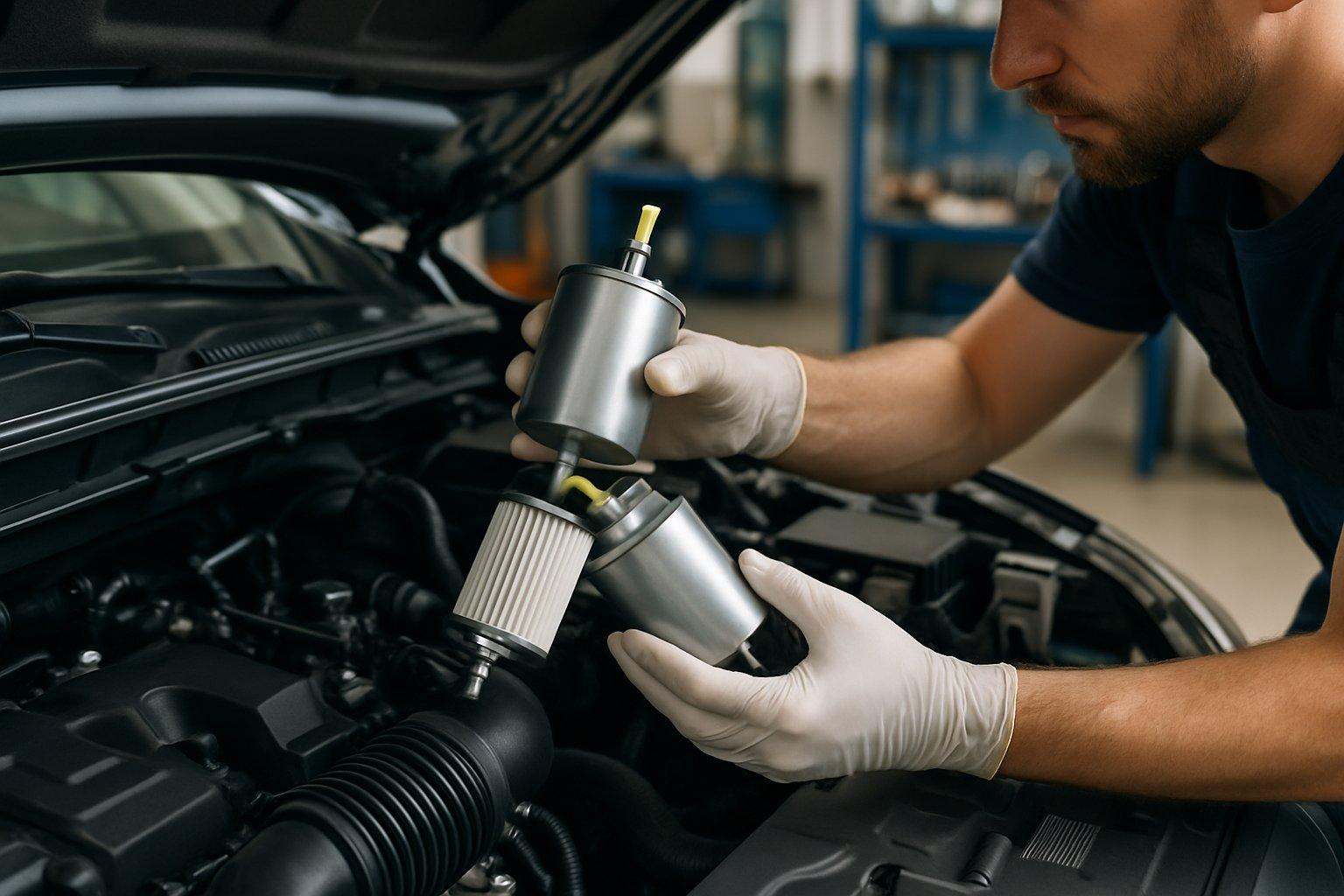
Taking some simple steps helps your fuel filter last longer and keeps your engine happy. Quality fuel, keeping the tank topped up, and regular checks can really make a difference.
Using Quality Fuel
I make it a point to buy fuel from stations I trust. Honestly, fuel quality matters a lot—bad gas just clogs filters faster.
Clean fuel from bigger brands usually has additives that help keep the system cleaner. These additives cut down on buildup and make life easier for your filter.
I skip filling up when tankers are refilling the station’s tanks. That process stirs up all kinds of junk that can end up in my car.
Using top-tier gasoline helps with mileage and keeps the engine cleaner. Fewer contaminants mean the filter doesn’t have to work as hard.
Keeping the Fuel Tank Full
I try not to let my fuel tank drop below a quarter full. Running low means more sediment from the tank bottom gets sucked into the system.
Keeping the tank fuller also cuts down on condensation. Water forms inside an almost-empty tank, especially overnight, and that moisture isn’t good for filters.
The fuel pump actually stays cooler when there’s more fuel, which means less wear and fewer particles breaking loose. Otherwise, those bits end up in the filter.
In winter, I fill up more often since condensation’s more of a problem. This habit has saved me from a few headaches and helped prevent fuel filter failure.
Routine Inspection and Scheduling
I go by my car’s manual for filter changes—usually every 30,000 to 50,000 miles for gas engines. Diesels need new filters more often, around 10,000 to 20,000 miles.
When I check things over, I watch for warning signs like:
- Hard starts
- Hesitation when accelerating
- Poor fuel economy
- Stalling or rough idle
I change the filter based on miles and driving conditions. If I’m driving in dust or doing lots of short trips, I replace it more often than if I’m cruising highways.
Keeping a log helps me stay on top of it. I usually jot down the next due date or mileage so I don’t forget.
The Link Between Fuel Filter Maintenance and Engine Health
When I keep up with my fuel filter, I’m really just protecting my engine. A clean filter keeps junk out of the system and makes sure fuel flows right where it should.
Consequences of Neglect
If I ignore the filter, I’m asking for engine trouble. A clogged filter starves the engine of fuel, so I’ll get rough idling, hesitation, and hard starts.
But it gets worse. When a filter’s worn out, particles can sneak past and mess up my fuel injectors. The pump also has to work harder, which wears it out faster. That extra strain can kill the fuel pump early—and those aren’t cheap to replace.
I’ve seen engines stall out completely from a blocked filter. If debris gets through, it can even score cylinder walls or damage pistons. That’s a repair bill nobody wants.
Fuel Economy and Performance Benefits
I notice better mileage when my fuel filter’s fresh. With fewer restrictions, the pump doesn’t work as hard, so I squeeze more miles out of every gallon.
Acceleration feels smoother, and the engine just runs better with a clean filter. It gets the right amount of fuel for combustion. Regular filter maintenance really helps keep performance up.
Over time, clean injectors deliver fuel more efficiently, which means fewer emissions and more power from each tank. It’s a small thing, but it adds up.
Effects on Other Fuel System Components
My fuel filter’s condition has a pretty direct impact on every part of my fuel system. If the filter gets clogged up, the fuel pump has to work overtime, cranking up the pressure just to shove fuel through the blockage.
This extra stress can wear out the pump faster. Sometimes it even gets hot enough to fail entirely—definitely not what you want.
Clean fuel from a healthy filter keeps my injectors running smoothly. These little guys have super tiny passages that need to spray fuel in just the right way.
Even a few bits of crud can clog those openings or mess up the injector’s insides. That’s why I try not to skip filter changes.
The pressure regulator and fuel lines also benefit from proper filtration. Junk in the fuel can damage seals or cause leaks throughout the vehicle.
Keeping the filter in shape seems like a small thing, but honestly, it saves me from a headache of chasing down bigger problems later.
3 thoughts on “Fuel Filter Maintenance: Essential Steps for Optimal Engine Performance”
Comments are closed.