
Your car’s transmission fluid needs regular maintenance. Choosing between a fluid change and a flush? It’s not always obvious which is best.
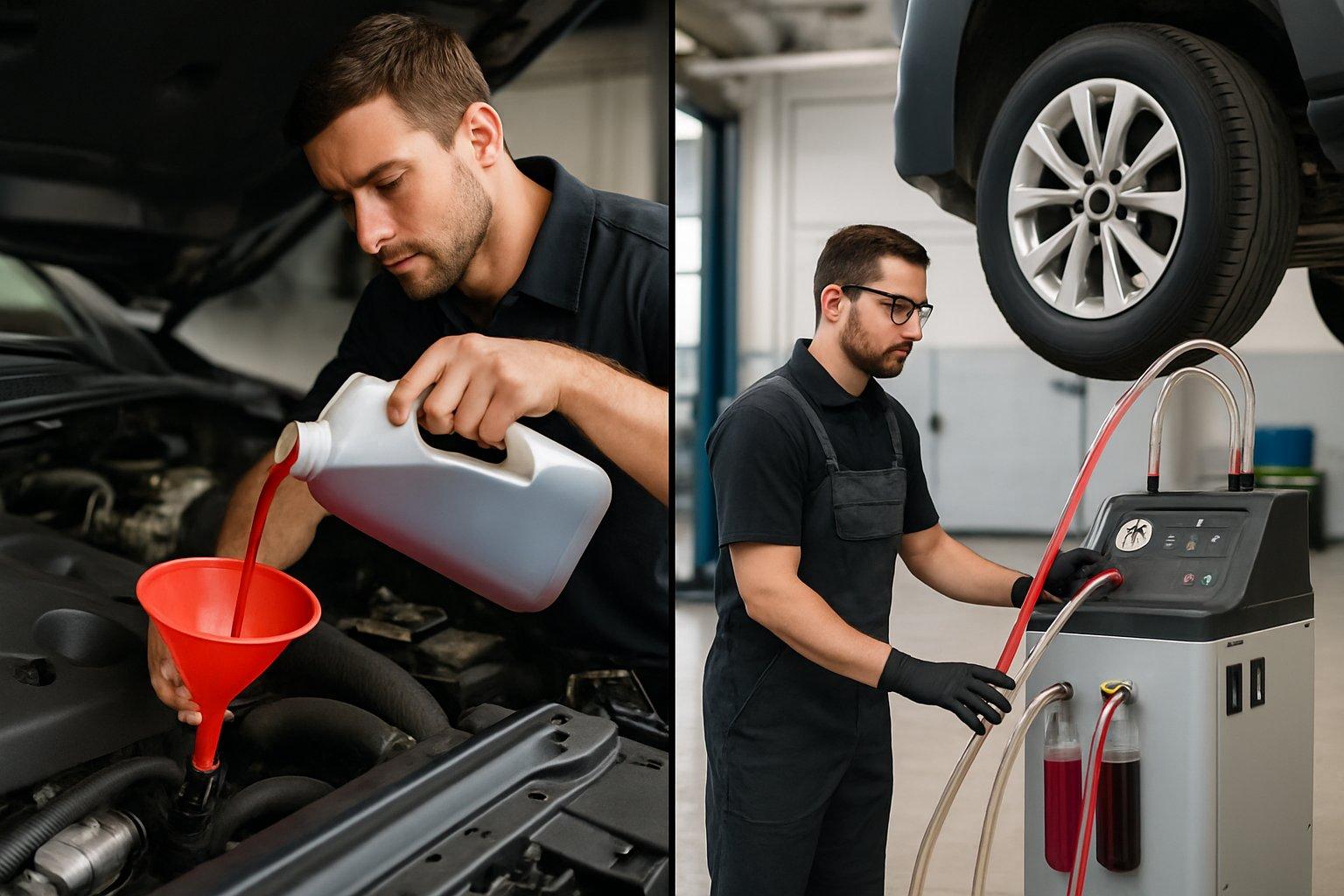
A transmission fluid change swaps out about 60-75% of the old fluid and is generally safer for high-mileage vehicles. A flush exchanges pretty much all the fluid but might stir up trouble in older transmissions.
Let’s dig into what each service actually does, when it makes sense, what you might pay, and how to dodge the mistakes that could wreck your transmission.
Whether you’re driving something fresh off the lot or a trusty old ride, picking the right service could save you a ton on repairs.
Understanding Transmission Fluid Maintenance
Transmission fluid does a lot more than people realize. Knowing when it needs attention can honestly save you from some wallet-breaking repairs.
Keeping an eye on it helps your car run smoother and keeps those surprise breakdowns at bay.
Purpose of Transmission Fluid
Transmission fluid’s got a handful of jobs. For starters, it lubricates moving parts like gears and clutches, cutting down friction and wear.
It also acts as a coolant, carrying heat away from the parts that get hot when you’re driving around.
Key functions include:
- Lubricating gears and moving parts
- Cooling transmission components
- Providing hydraulic pressure for gear shifts
- Protecting against corrosion and deposits
Your transmission relies on hydraulic pressure to shift gears. The fluid makes that possible through a pretty intricate pump system.
If your fluid is low or old, the transmission can’t transfer power from the engine to the wheels properly. Clean fluid really helps gears mesh smoothly at different speeds.
Signs Transmission Fluid Needs Attention
I always tell people to check their transmission fluid for warning signs. Dark or burnt-smelling fluid is a big red flag.
Fresh fluid should be bright red and have a sweet smell. If it looks brown or black, it’s probably time for a change.
Watch for these symptoms:
- Hard or delayed shifting
- Slipping gears during acceleration
- Strange noises when shifting
- Leaks under your parked car
Low fluid levels can mess with shifting and even cause damage. If your car hesitates or shifts roughly, check the fluid ASAP.
Burnt-smelling fluid (think burnt toast) and dark color mean it’s been in there too long or things are overheating.
What Is a Transmission Fluid Change?
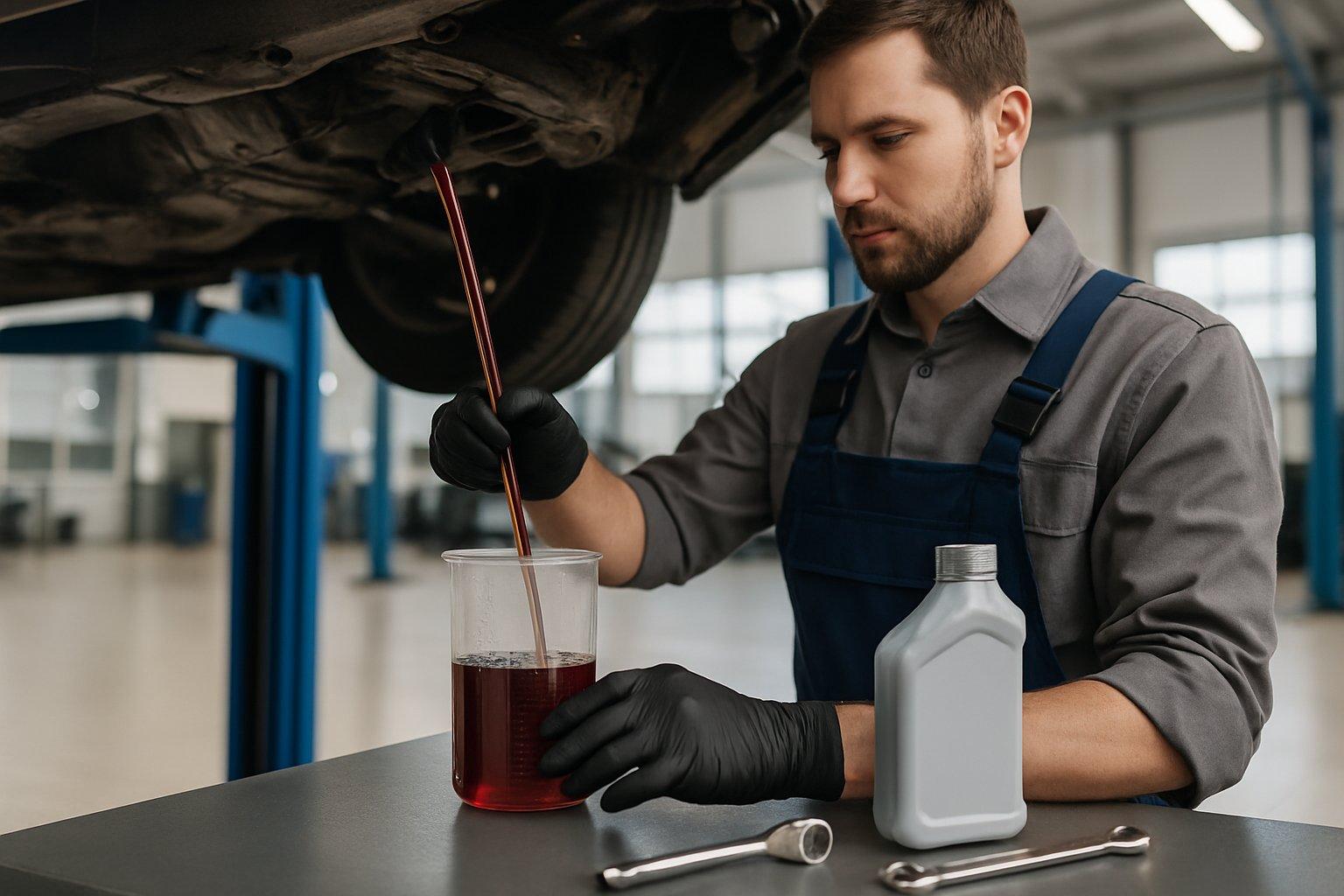
A transmission fluid change is basically a drain-and-refill job. It gets rid of a good chunk of the old fluid—usually 50-75%—and swaps in fresh stuff.
This also usually means a new filter and pan gasket.
Process Overview
First step? Lift the car and find the transmission oil pan underneath. The tech removes the drain plug or loosens the pan to let the old fluid pour out.
Depending on your car, this drains about 4-6 quarts. Not all of it comes out, though.
Key steps include:
- Removing the transmission pan
- Replacing the transmission filter
- Installing a new pan gasket
- Refilling with fresh transmission fluid
The filter gets swapped because it catches metal bits and dirt. The gasket is changed to stop leaks.
Some old fluid stays behind in the torque converter and cooler lines. That’s why you only get a partial swap with this method.
Benefits of Transmission Fluid Change
Fluid changes are usually cheaper than flushes. They’re also gentler on older transmissions.
Changing the filter pulls out trapped gunk, and fresh fluid keeps things running smoothly.
Main benefits:
- Cost-effective – Cheaper than a flush
- Filter replacement – Gets rid of debris
- Gasket renewal – Helps prevent leaks
- Safer option – Less stress on older seals
Mixing new and old fluids is less of a shock to the system. That’s especially good for cars with a lot of miles or sketchy service history.
Recommended Frequency
Most automakers say to change your transmission fluid every 30,000 to 60,000 miles. But check your owner’s manual—every car is a little different.
If you tow, drive in stop-and-go traffic, or deal with crazy temps, you might need to do it more often.
Change intervals by driving type:
| Driving Condition | Recommended Interval |
|---|---|
| Normal driving | 60,000 miles |
| Severe conditions | 30,000 miles |
| Heavy towing | 25,000 miles |
If your fluid is dark or smells burnt, don’t wait. Red or pink? You’re good. Brown or black? Get it changed, stat.
What Is a Transmission Fluid Flush?
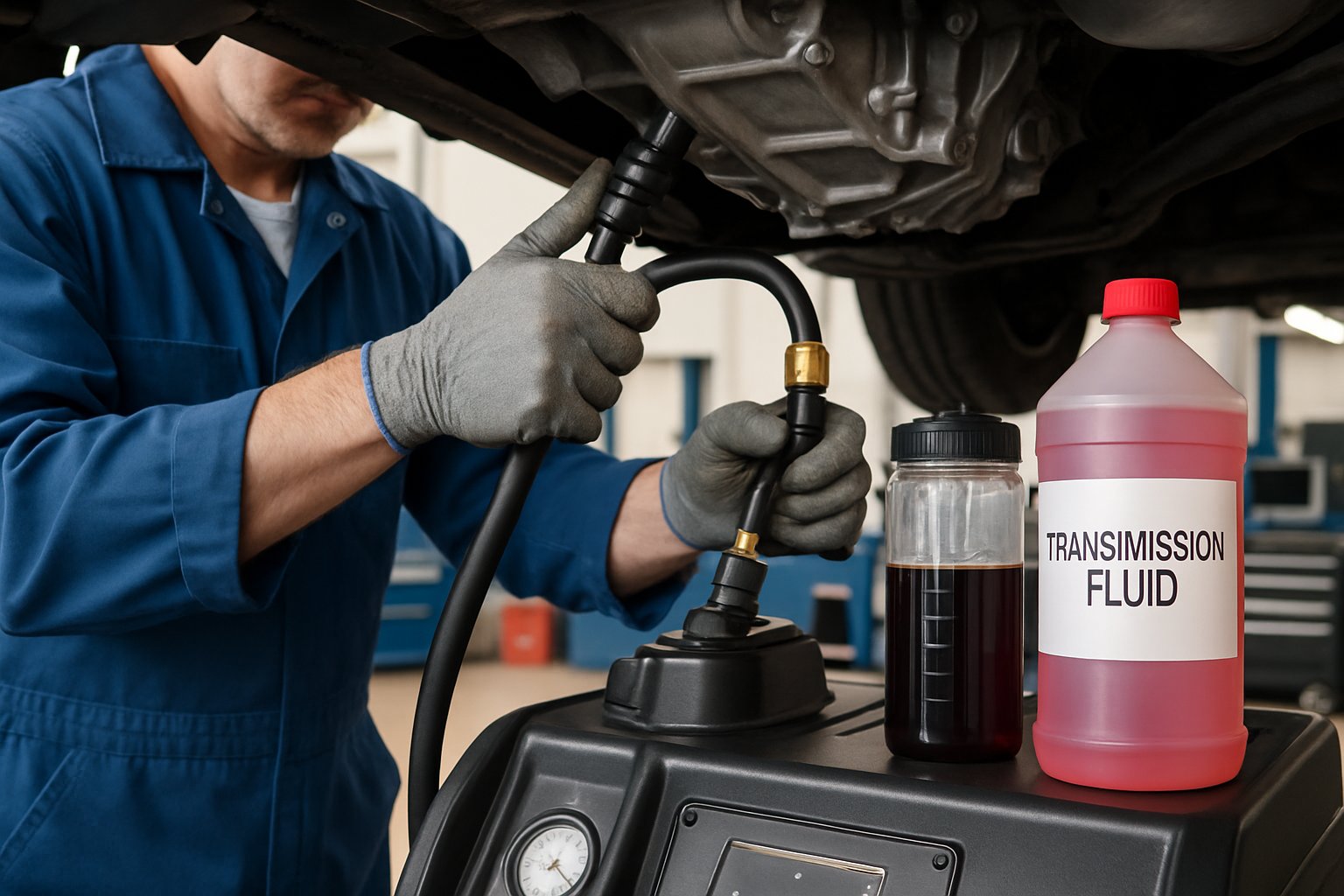
A transmission fluid flush uses special equipment to push out all the old fluid and replace it with new. This means even the fluid hiding out in cooler lines and the torque converter gets swapped.
How a Fluid Flush Works
With a flush, a machine connects to your transmission’s cooler lines. It pumps in new fluid and sucks out the old stuff at the same time.
This process uses pressure to push fluid through every nook and cranny—pan, torque converter, valve body, you name it.
The flush process reaches:
- Transmission pan
- Cooler lines
- Torque converter
- Valve body passages
- All internal components
The machine keeps going until the fluid coming out is clean. Usually, this takes about 15-20 minutes.
Unlike a regular change, a flush can get to places that don’t drain naturally. The torque converter alone holds a big chunk of your transmission’s fluid.
Advantages of Fluid Flush
A full flush means you’re running on 100% new fluid, not a mix. That’s a big plus if your old fluid was really nasty.
Key benefits include:
| Advantage | Description |
|---|---|
| Complete cleaning | Removes all old fluid and contaminants |
| Better performance | Fresh fluid improves shifting and operation |
| Extended life | Clean fluid protects internal parts longer |
| Immediate results | Full benefits start right away |
The flush gets rid of metal bits and dirt that a change might leave behind. New fluid just works better—shifts are smoother, and parts are better protected.
Potential Risks Involved
Here’s where it gets tricky. Flushing can stir up trouble, especially in high-mileage transmissions or ones that haven’t been maintained.
Risk factors include:
- Vehicles over 100,000 miles
- Existing transmission issues
- Long gaps between services
- Dark or burnt-smelling fluid
The pressure from a flush can blow out worn seals or gaskets. Sometimes it even causes leaks that weren’t there before.
Debris can get knocked loose and clog up tiny passages. Some mechanics won’t flush a transmission if it’s old or acting up.
If your transmission is slipping, shifting hard, or just feels off, a fluid change might be the safer bet than a full flush.
Key Differences Between Fluid Change and Flush
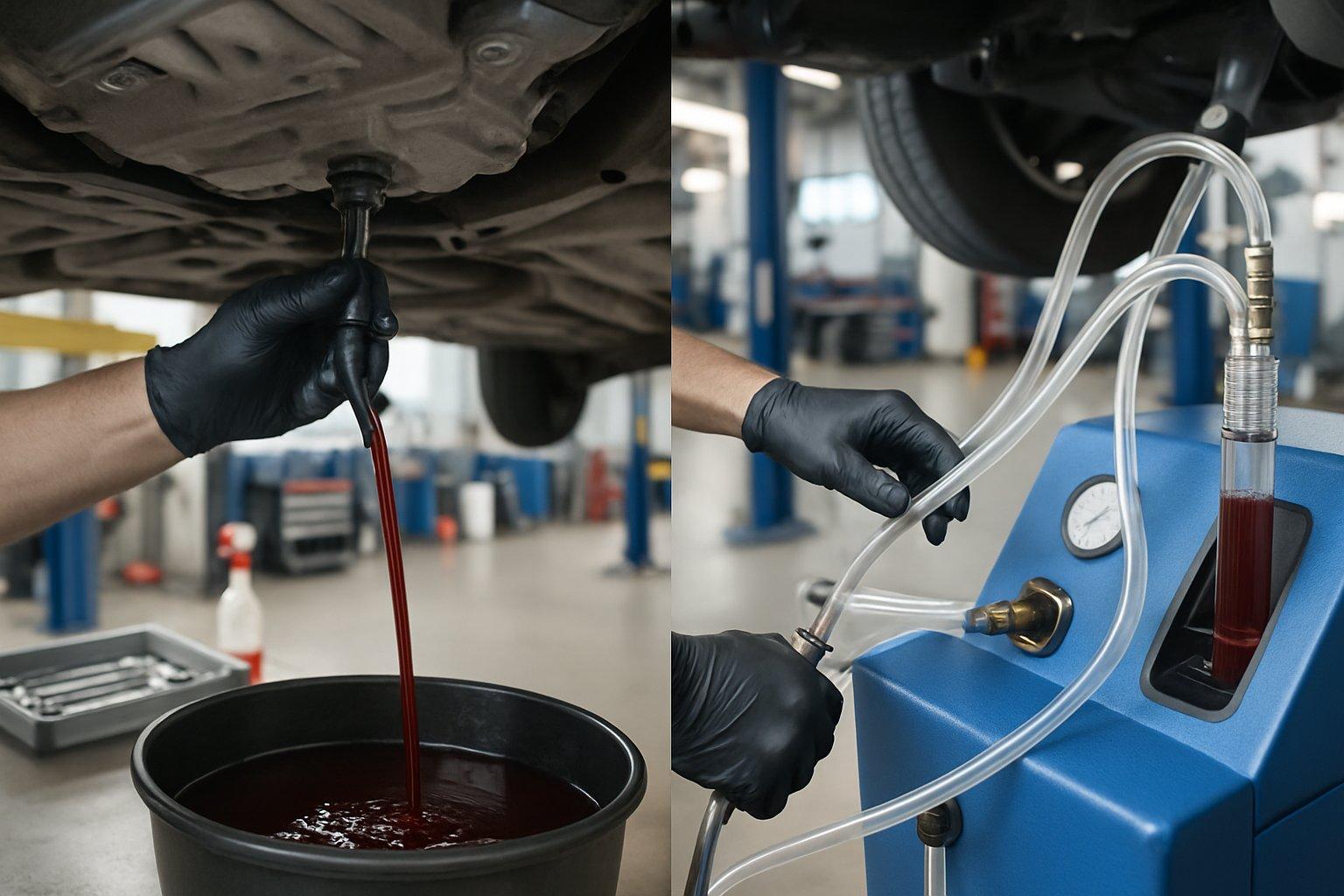
Fluid changes and flushes aren’t the same thing. They use different techniques and swap out different amounts of fluid.
Amount of Fluid Replaced
A fluid change gets rid of about 50-75% of the old stuff. The rest hangs around in places like the torque converter and cooler lines.
These spots just don’t drain with a basic pan removal. That’s why some old fluid always stays behind.
A flush, on the other hand, replaces 85-90%—sometimes up to 95%—of the fluid. Pressure helps push out the stuff that’s stuck in hard-to-reach areas.
| Service TypeFluid ReplacedRemaining Old Fluid | ||
|---|---|---|
| Fluid Change | 50-75% | 25-50% |
| Flush | 85-95% | 5-15% |
Technique and Equipment Used
A change is pretty basic: drain the pan, swap the filter and gasket, and refill. Plus, you get to check the pan for metal shavings or weird debris.
A flush uses a machine hooked up to the cooler lines. It pushes new fluid in while pulling the old stuff out, and you don’t need to open the pan.
The filter and gasket stay put during a flush, which can be a downside if they’re old or dirty.
Impact on Transmission System
A fluid change is easier on your transmission system. It doesn’t use high pressure, so there’s less chance of knocking debris loose or damaging the seals.
This approach is especially good for high-mileage vehicles—think over 70,000 miles. It lowers the risk of stirring up deposits that might clog up tight passages.
Mixing old and new fluid isn’t ideal, though. You won’t get the full benefit of fresh transmission fluid that way.
A flush swaps out almost all the old fluid, but it uses higher pressure. That extra pressure can be risky for older transmissions.
Sometimes, the high pressure shakes loose debris that’s been sitting for years. If that debris moves around, it can block passages or harm internal components.
Flushes are generally safer for newer vehicles or those with a solid maintenance record. When done right, they get the system cleaner and replace more fluid.
When to Choose a Fluid Change vs Flush
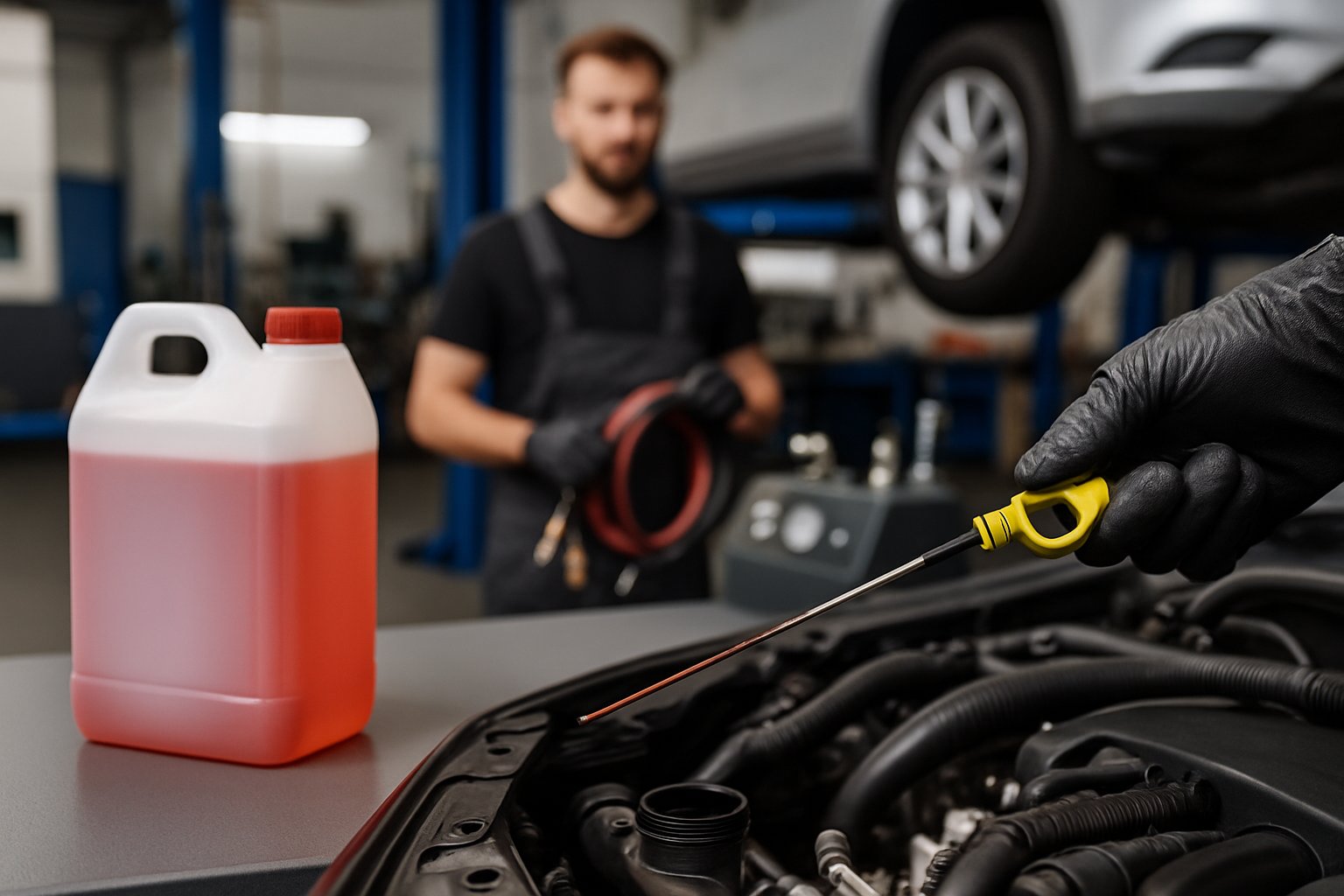
Your car’s age and how well it’s been maintained matter most here. Manufacturers usually spell out what’s best for your particular transmission.
Vehicle Age and Condition Considerations
Newer vehicles with fewer than 75,000 miles usually do fine with regular fluid changes. There’s less gunk built up inside.
I’d go with fluid changes for cars under five years old. At that point, the transmission is still in decent shape, so there’s less risk of problems from old debris.
Older vehicles are trickier. Cars over 100,000 miles often have more sludge and deposits hiding inside.
For high-mileage cars, a flush does clear out all the old fluid. But it might also shake loose stuff you really don’t want moving around. That can block passages in your transmission.
If your car’s having shifting issues or the fluid looks almost black, a flush might help. But if the transmission’s already worn out, I’d skip the flush entirely.
Well-maintained vehicles with regular service can handle either method. If you’ve skipped a few services, start with a gentle fluid change instead of jumping straight to a flush.
Manufacturer Recommendations
Check your owner’s manual before doing anything. Most car makers say exactly what they want—change or flush—so it’s worth a look.
Manufacturers like Honda and Toyota usually recommend fluid changes only. They design their transmissions for partial fluid swaps every 30,000 to 60,000 miles.
Some brands—BMW, Mercedes, that crowd—sometimes suggest complete flushes but at longer intervals. Their transmissions are a bit more complex and need all the old fluid out at once.
Warranty matters too. Using the wrong method could mess with your coverage. Stick with what the manual says until you’re out of warranty.
Most newer transmissions are built for regular fluid changes, not full flushes. The engineers expect you’ll be swapping out only part of the fluid most of the time.
Cost Comparison and Value Analysis
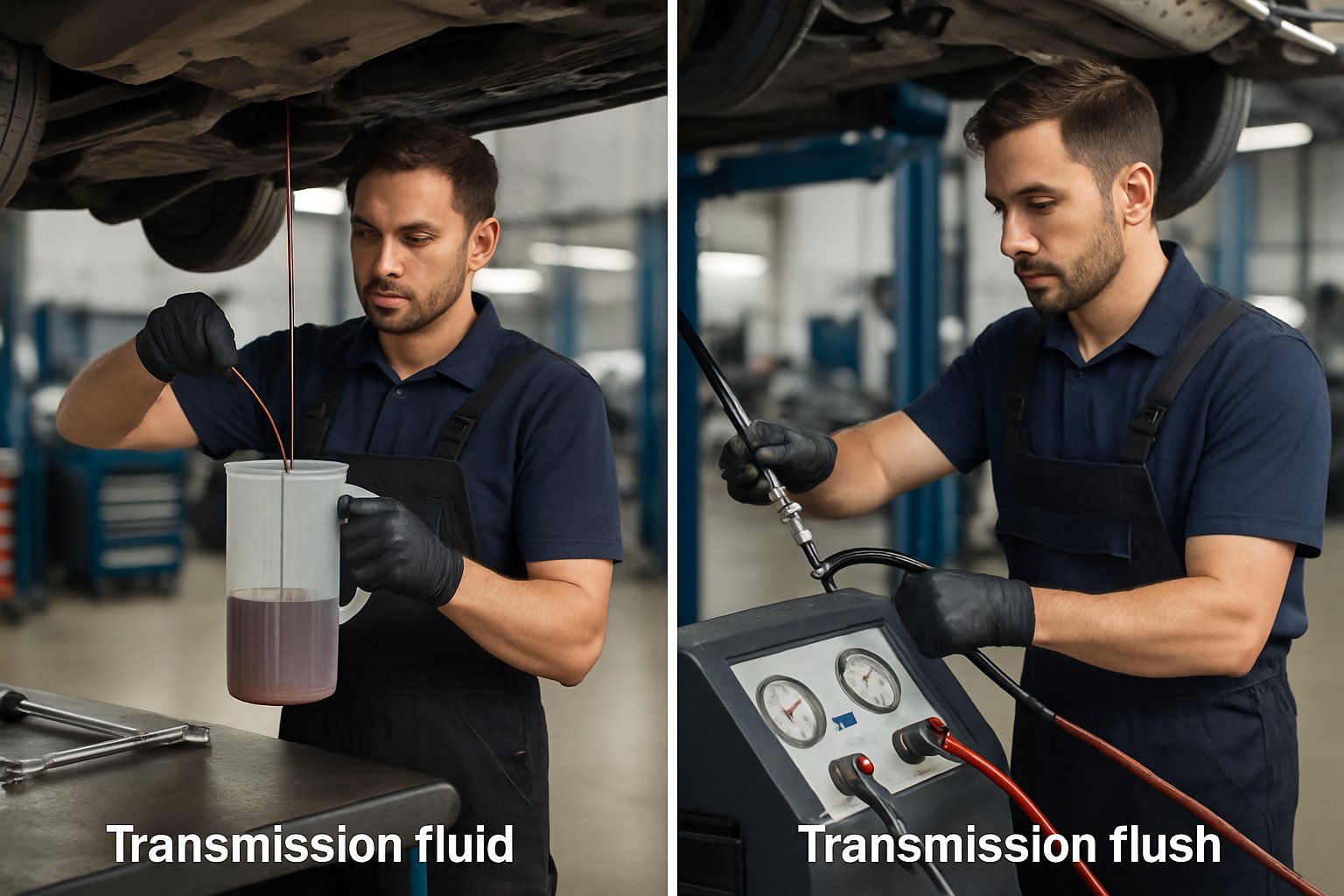
Transmission fluid changes are cheaper up front. Flushes cost more but do a more complete job. That price gap can really influence your maintenance budget, not to mention your car’s long-term health.
Typical Service Costs
From what I’ve seen, a fluid change usually runs $150 to $250. That gets rid of about 70% of your old fluid.
Flushes are pricier—think $230 to $475. The higher price covers extra time and the equipment. You’ll get almost all the old fluid out with a flush.
What affects the price?
- Type of vehicle and size of transmission
- Manual, automatic, or CVT
- Location and shop labor rates
- Type and quality of fluid used
Get quotes from a few places before you decide. Prices can jump quite a bit between dealerships and independent shops.
Long-Term Maintenance Savings
Flushes might sting your wallet at first, but they can help your transmission last longer. More clean fluid means less wear on the inside.
Fluid changes are easier on the budget, but they leave some old fluid behind. That means contaminants stick around, so you might need to service the transmission more often.
How often should you do it?
- Fluid changes: Every 30,000–50,000 miles
- Flushes: Every 60,000–100,000 miles
I’ve seen transmissions hang in there longer with regular flushes. Sure, it’s more up front, but it often saves you from those huge repair bills—think $3,000 to $5,000 for a new transmission.
Potential Risks and Common Misconceptions
Some folks run into big problems by skipping transmission service altogether. Others worry that flushing an older transmission will wreck it.
Risks of Neglecting Transmission Fluid Service
When people ignore their transmission fluid, the damage can get expensive fast. Old fluid gets dark and thick, losing its ability to keep things moving smoothly.
Dirty fluid can cause:
- Slipping gears
- Overheating
- Faster wear on metal parts
- Total transmission failure
I’ve seen neglected cars end up needing full transmission replacements—those aren’t cheap. Regular fluid changes are way less painful for your wallet.
Old fluid also picks up metal shavings and dirt. Those particles scrape up the inside of your transmission, making things worse over time.
Watch for these warning signs:
- Hard or slow shifting
- Weird noises during gear changes
- Burning smell under the hood
- Black or burnt-smelling fluid
Misconceptions About Fluid Flush Safety
A lot of people think flushing an old transmission will break it. That’s not always the case. The real problem is flushing a transmission that’s already got serious issues.
I tell customers a flush can’t fix existing damage. If your transmission already slips or makes noise, new fluid won’t magically fix that. Sometimes a flush just makes hidden problems obvious.
Common myths I hear a lot:
- “Flushing removes protective deposits” – Those deposits aren’t protective, they’re just harmful buildup
- “Never flush a high-mileage car” – It’s more about how well you’ve maintained it than the mileage
- “Flushes use too much pressure” – Modern machines are designed to use safe pressure levels
Knowing your car’s maintenance history is key. If you’ve kept up with fluid changes, a flush is usually fine. But if you’re past 100,000 miles with no fluid change, I’d stick with a simple drain-and-fill.
Professional vs DIY Transmission Fluid Service
Going to a pro costs more, but you get their equipment and know-how. DIY saves money, but you need the right tools and a bit of confidence to avoid a costly mistake.
Tools and Skills Required
Professional shops have lifts, fluid exchange machines, and pressure equipment. They can do a full flush, getting nearly all the old fluid out.
For a DIY fluid change, you’ll need a few things. A floor jack and stands to get the car up safely, and a drain pan for the old fluid.
Basic tools you’ll want:
- Socket wrench set
- Replacement transmission filter
- Gasket scraper
- Funnel for new fluid
The trickiest part is getting under the car safely. You’ll also need to find the right drain plug and filter for your car.
What skills do you need? You should be able to check the fluid condition and know the right torque specs. Make sure you know what kind of transmission and fluid your car needs.
Without a flush machine, you’ll only get 30–50% of the old fluid out. The rest stays in the torque converter and cooling lines, so keep that in mind if you’re doing it at home.
Benefits of Professional Expertise
Professional technicians check for leaks, worn seals, and any issues during service. They catch problems before they turn into big, expensive repairs.
Key advantages include:
- Complete system inspection
- Proper fluid disposal
- Warranty on work performed
- Access to technical bulletins
Honestly, I feel better knowing the job’s done right. Professionals always use the exact fluid my car needs.
They can do a full flush, clearing out nearly all of the old fluid—way more effective than what I could manage in my own driveway.
Cost comparison: DIY usually runs $100-250, while a shop charges $200-400. That extra cost? You’re really paying for their tools and know-how.
Shops take care of fluid disposal the right way and stick to environmental rules. They’ll also update your service records, which is handy if you ever need to make a warranty claim.