
Winter driving can get dicey—and expensive—if your car isn’t ready for the cold, snow, and ice. Winterizing your car means checking the battery, swapping tires, topping up fluids, making sure you can see clearly, and stashing emergency supplies before things get nasty.
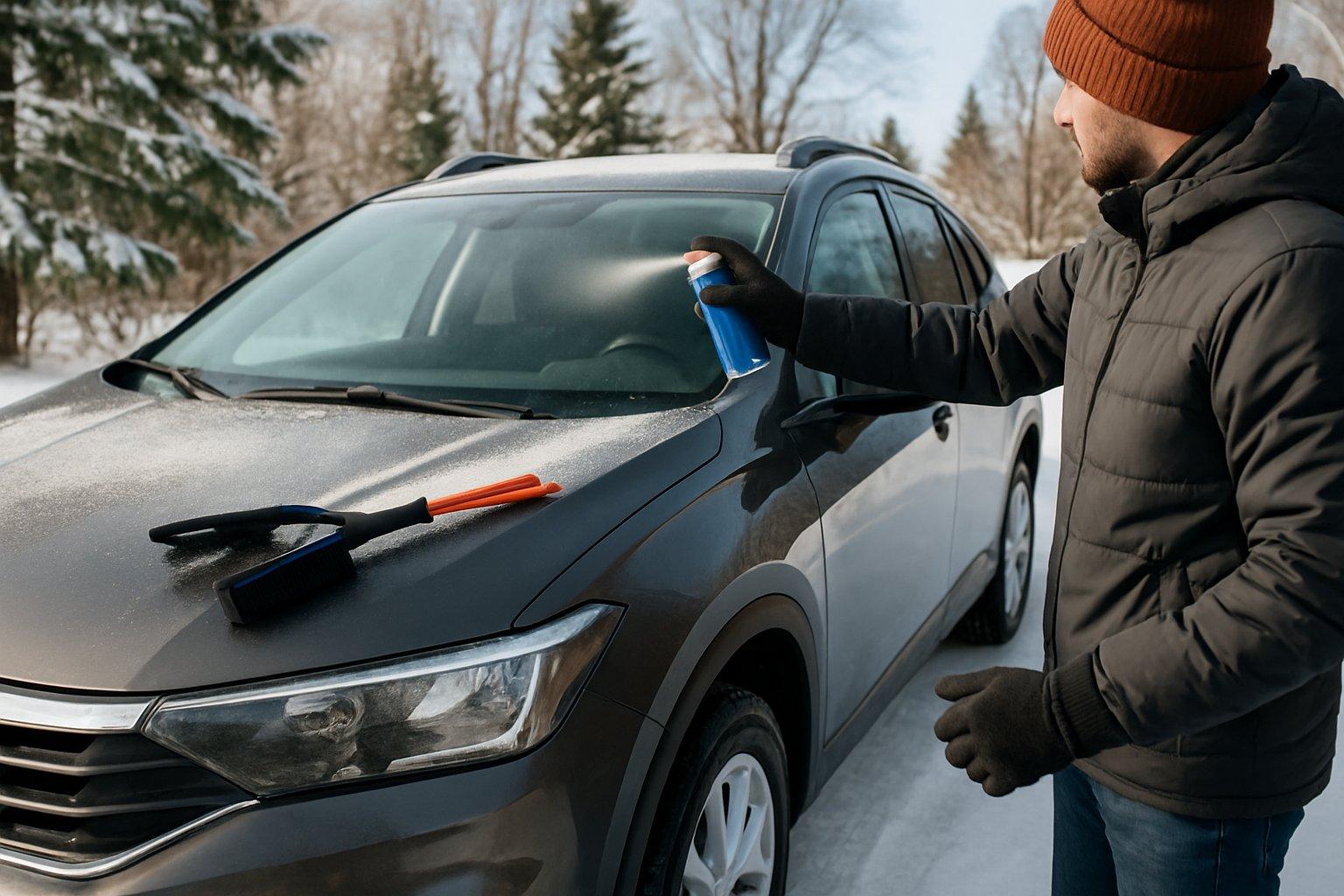
I’ve helped plenty of folks dodge breakdowns and sketchy situations by following a methodical approach to winter car prep. You don’t need to be a mechanic, but you do need to pay attention and act before the first frost.
Let’s go through the must-do steps, from battery care and protecting your car’s exterior to putting together an emergency kit. It’s all about staying safe and sidestepping those wallet-busting repairs that freezing temps can bring.
Inspecting and Protecting Your Battery
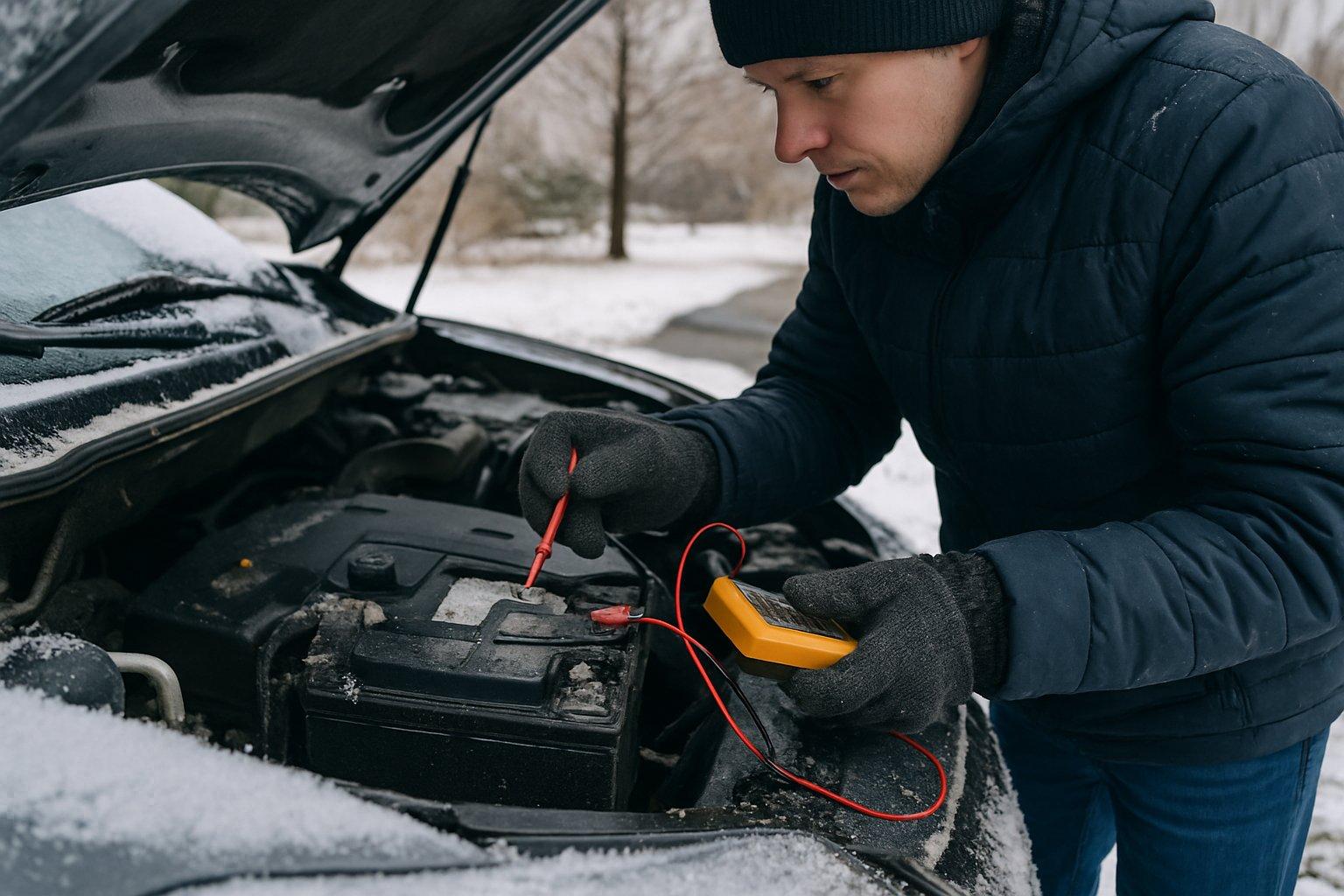
Cold weather can knock battery power down by half, so it’s pretty important to give it some attention. I check voltage, clean up the terminals, and swap out batteries that are getting old—three years is usually my cutoff.
Testing Battery Health
I always grab my digital multimeter and check voltage—it should be 12.6 volts with the engine off. Battery voltage testing reveals charge capacity before winter sets in.
If I see 12.4 volts, that’s only about 75% charged. I do this test after the car’s been sitting for at least four hours, just to get a real reading.
Load testing is next. My mechanic applies a load equal to half the battery’s cold cranking amps for 15 seconds.
If the voltage dips below 9.6 during the test, I will just replace the battery. Not worth gambling with winter coming.
I also peek at the manufacturing date. Anything older than three years is on borrowed time once it gets cold.
Cleaning Battery Terminals
Corroded terminals mess with electrical flow and make cold starts harder. Every fall, I clean them up as part of my routine.
First, I disconnect the negative cable, then the positive. I make sure not to let anything touch the posts.
I mix up some baking soda and water into a paste. It neutralizes acid gunk on the terminals and cables.
Here’s how I do it:
- Smear the paste on corroded spots
- Scrub with an old toothbrush
- Rinse with water
- Dry off with a rag
- Smear a little petroleum jelly to ward off future corrosion
Then I reconnect the positive first, then the negative. Tight, but not Hulk-tight—you don’t want to crack anything.
Honestly, clean terminals make a noticeable difference in cold starts.
Replacing an Old Battery
Car batteries usually last 3 to 5 years, but winter can finish them off sooner. I don’t wait for it to die on me.
Signs I’m due for a new battery:
- Slow cranking
- Dim headlights at idle
- Battery light on dash
- Swollen battery case
- Older than four years
I go for a battery with higher cold cranking amps (CCA). That number tells you how much juice you get at 0°F, which really matters up north.
I match or beat my car’s original CCA. Higher CCA is better for winter, but it costs a bit more.
When I install it, I use dielectric grease on the terminals. I always save the receipt and register the warranty—just in case.
Old batteries go to an auto parts store or recycling center. Those things are full of nasty stuff you don’t want in a landfill.
Preparing Tires for Winter Conditions
Winter tires grip better on snow and ice, period. Tread depth is huge for traction, and cold air drops tire pressure fast—so you’ve got to keep an eye on it.
Switching to Winter Tires
I swap to winter tires when it’s consistently under 45°F. The rubber stays soft, so you get actual grip.
All-seasons stiffen up and lose traction in the cold. Winter tires just handle it better, especially in the worst weather.
I always put winter tires on all four wheels. Mixing and matching is asking for trouble.
Why bother with winter tires?
- Shorter stopping on ice
- Better acceleration in snow
- More steering control
- Deeper treads for snowy roads
When I pull my summer tires, I clean them and stash them somewhere cool and dry. Sunlight ruins rubber, so I keep them in the dark.
Checking Tire Tread Depth
I use the penny test or a tread gauge. Slip a penny into the groove—if you see all of Lincoln’s head, it’s time for new tires.
For winter, you want at least 4/32 inch of tread. Less than that and you’re sliding around.
Tread depth rule of thumb:
- New: 10/32 to 12/32 inch
- Replace at: 4/32 inch for winter
- Legal minimum: 2/32 inch (but that’s not safe in snow)
I always check for uneven wear. If the tread’s lopsided, I look at alignment or inflation issues—gotta fix those before winter.
Monitoring Tire Pressure
I check tire pressure every month once it gets cold. For every 10°F drop, you lose 1-2 PSI.
Low pressure kills fuel economy, ruins tires, and makes winter traction worse. Not worth it.
I use a digital gauge for accuracy, and I always check when the tires are cold—before driving or after the car’s been parked for a few hours.
My quick check routine:
- Pop off the valve cap
- Press the gauge on
- Read the number
- Add air if needed
- Cap back on
I keep a small air compressor in the trunk. Handy when temps swing or I spot a low tire away from home.
Maintaining Fluids Essential for Winter
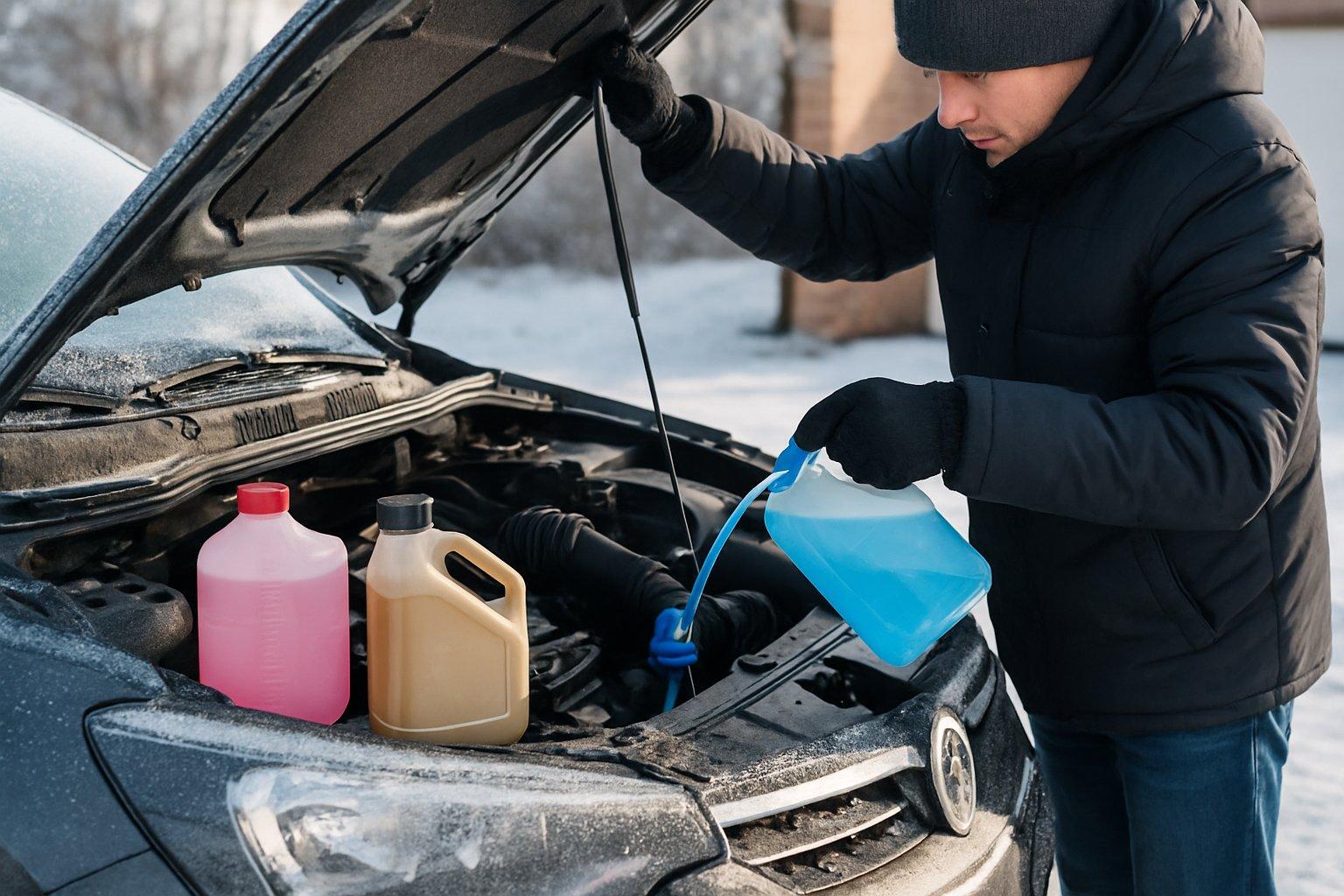
Cold weather beats up your car’s fluids, so you have to keep an eye on them. I focus on three: oil, coolant, and washer fluid.
Using Winter-Grade Oil
Cold thickens oil and makes it harder to start. I always switch to a lower viscosity oil for winter.
Multi-grade oils are the way to go. Here are some common winter options:
| Oil Grade | Best Temperature Range |
|---|---|
| 0W-20 | -40°F to 60°F |
| 0W-30 | -40°F to 80°F |
| 5W-20 | -30°F to 60°F |
| 5W-30 | -30°F to 80°F |
The lower the first number, the better it flows in the cold. I check my owner’s manual for what’s best—some cars want specific synthetic blends.
Checking Coolant Levels
Antifreeze keeps engines from freezing when temperatures drop. I check the level and the freeze protection rating.
An antifreeze tester is cheap and tells me if I’m good for the coldest night of the year. The mix should protect at least 10 degrees below my area’s record low.
Most places need a 50/50 mix—that’s good down to about -35°F. If the coolant is rusty or dirty, or if it’s been two years, I flush the system.
Never add just water in winter. It freezes at 32°F and can wreck your engine.
Refilling Windshield Washer Fluid
Regular washer fluid freezes in the cold, leaving you with a filthy windshield. I switch to winter-grade fluid before the first freeze.
Winter washer fluid has methanol or similar stuff to keep it liquid down to -20°F or lower. I always buy fluid rated for temperatures colder than my region’s worst days.
I drain the old stuff before adding winter fluid; otherwise, it gets diluted and may freeze anyway.
Some fluids have extra de-icer—worth it if you deal with a lot of snow and ice. I keep a spare jug in the trunk, since winter driving uses a ton of it.
Ensuring Optimal Visibility
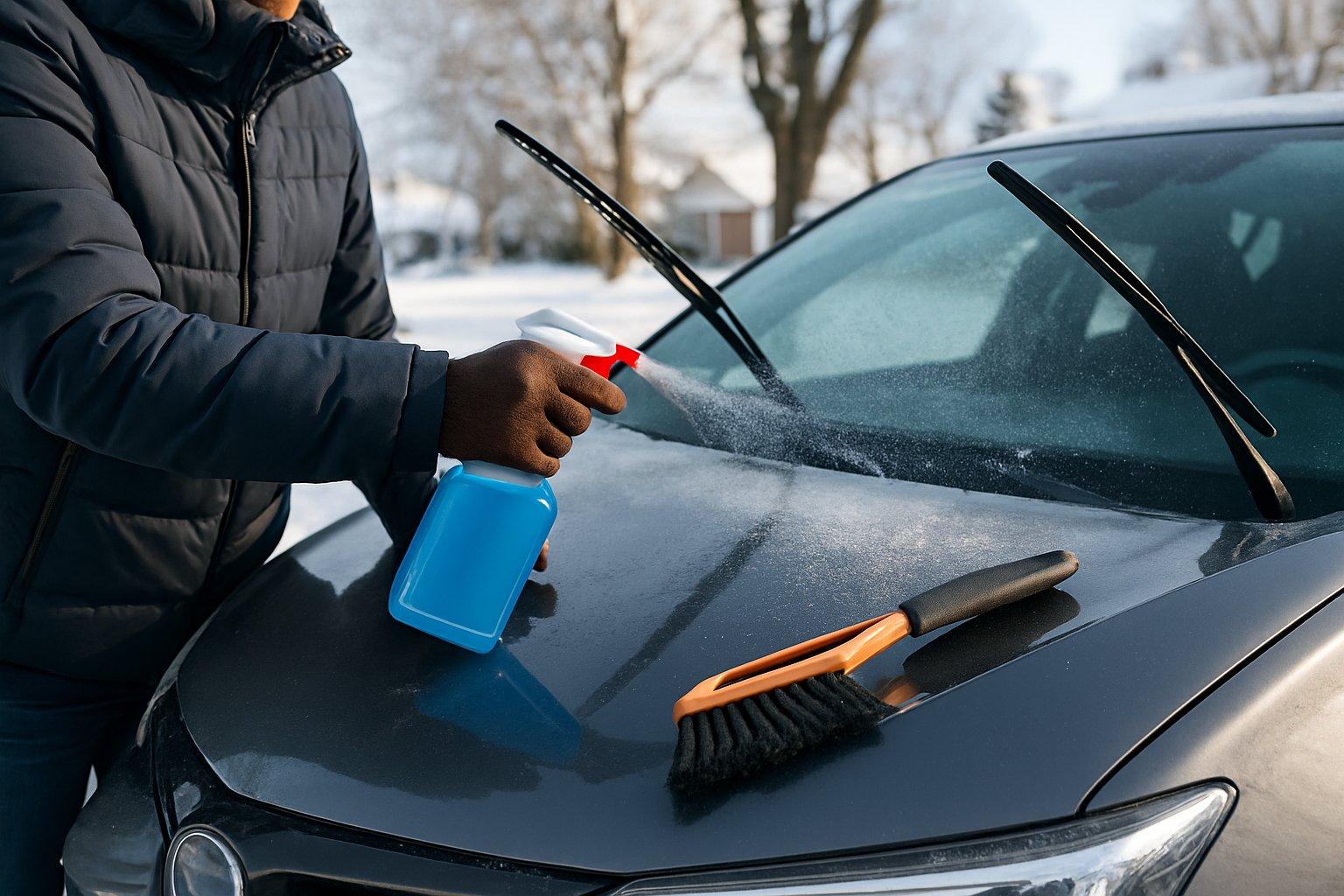
Seeing clearly is non-negotiable in winter. I always check my wipers, clean all the glass, and make sure every exterior light works before the first storm hits.
Inspecting Wiper Blades
I always take a good look at my wiper blades before winter hits. Old or damaged blades can streak the windshield and leave those annoying, risky blind spots.
Here are the warning signs I watch for:
- Cracked rubber along the blade edge
- Streaking patterns when I use the wipers
- Chattering sounds during operation
- Missing chunks of rubber material
Winter wiper blades are honestly better in cold weather. They’ve got a rubber boot to keep ice from building up on the frame.
Replacing wiper blades every six to twelve months is a good rule. Before winter, it’s even more important since I’ll use them so much.
Pro tip: I like to lift my wiper blades away from the windshield during snowstorms. That way, they don’t freeze to the glass overnight.
Defrosting and Cleaning Windows
Clean windows are a must for winter driving. I always scrub off dirt, salt, and that weird film from both sides of the glass.
Here’s my window cleaning routine:
- Use automotive glass cleaner on the outside
- Wipe the inside with microfiber cloths
- Look for chips or cracks—cold makes them worse
- Apply rain repellent for better water beading
My defroster has to work before winter sets in. I test both front and rear defrosters on a chilly morning just to be sure.
Interior fogging is a pain when warm air hits cold glass. Running the AC helps since it pulls moisture out of the air.
I keep an ice scraper and snow brush in my car, always. Never pour hot water on frozen windows—it’ll just crack the glass.
Testing Exterior Lights
All my exterior lights need to be working for winter. Poor visibility conditions make good lights even more important.
I check these lights before the cold comes:
| Light Type | Function | Check For |
|---|---|---|
| Headlights | Forward visibility | Dim bulbs, cloudy lenses |
| Taillights | Rear visibility | Burned out bulbs |
| Brake lights | Stop signals | All bulbs working |
| Turn signals | Direction changes | Proper flashing |
| Hazard lights | Emergency situations | All corners flashing |
Headlight lenses get cloudy after a while. I’ll use a polishing kit or sometimes just pay a pro to clear them up.
Cleaning my lights in winter is a must. Salt and grime can block nearly half the light output, which is wild.
Emergency supplies should have spare bulbs on hand. I can usually swap out taillight and signal bulbs myself with just a screwdriver.
Protecting Your Car’s Exterior and Interior
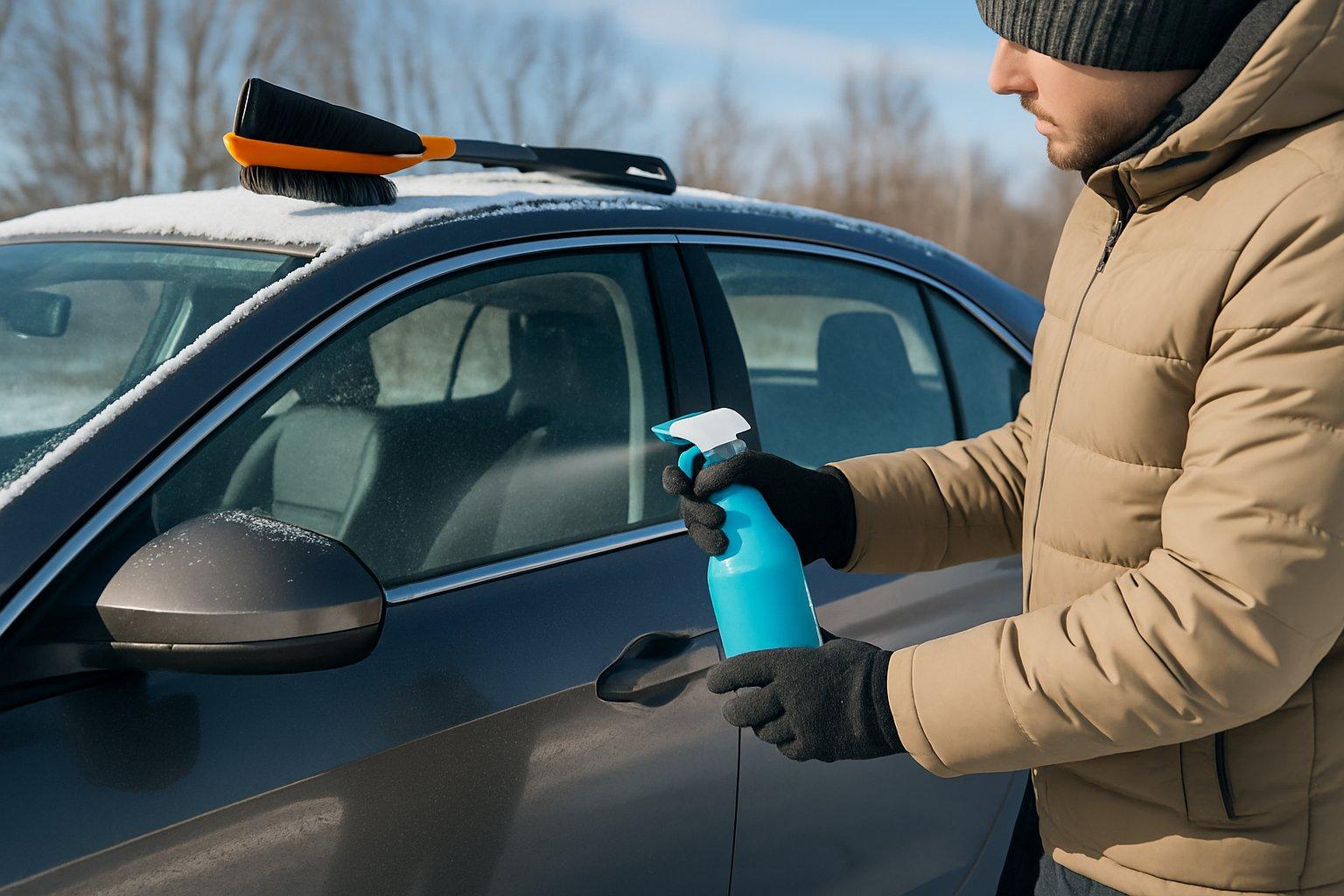
Winter is rough on your car’s outside and inside. I’d focus on wax, sealing, and some interior barriers to keep things in shape.
Applying a Protective Wax Coat
I always start winter prep with a new coat of wax. Road salt is brutal on paint and metal.
Wax acts as a shield between salt and your car’s finish. I only wax when it’s above 50°F or so—otherwise, it just doesn’t set right.
Here’s my process:
- Wash the car first, thoroughly
- Apply wax in thin, even coats
- Work on small sections at a time
- Buff with a clean microfiber cloth
I also hit the underbody with protective sprays. That’s where salt builds up the most, even if you can’t see it.
Washing your car every couple of weeks in winter helps get rid of salt before it eats through the wax.
Sealing Doors and Windows
I check every door and window seal before it gets cold. Rubber shrinks and cracks in winter, which is just asking for trouble.
Bad seals let in cold air and moisture. That means frosty windows and a heater that has to work overtime.
What I look at:
- Door rubber strips
- Window weatherstripping
- Trunk seal
- Sunroof seals
I clean seals with mild soap and water. Then I use rubber conditioner to keep them soft and flexible.
Any seal with cracks or tears gets replaced. It’s way cheaper than fixing water damage later.
Using Floor Mats and Seat Covers
Heavy-duty floor mats go in before the snow starts. Salt and slush from boots can wreck carpets and even rust the floor panels.
Rubber mats are just better for winter. They actually catch the water and are easy to hose off.
My go-to winter interior protection:
- All-weather rubber floor mats
- Waterproof seat covers
- Trunk liner or mat
- Door sill protectors
I pull out the mats once a week to let them dry. Otherwise, trapped moisture can lead to mold and rust underneath.
Seat covers keep fabric safe from wet clothes and muddy boots. I go for waterproof ones that you can wipe down fast.
Preparing Emergency Supplies
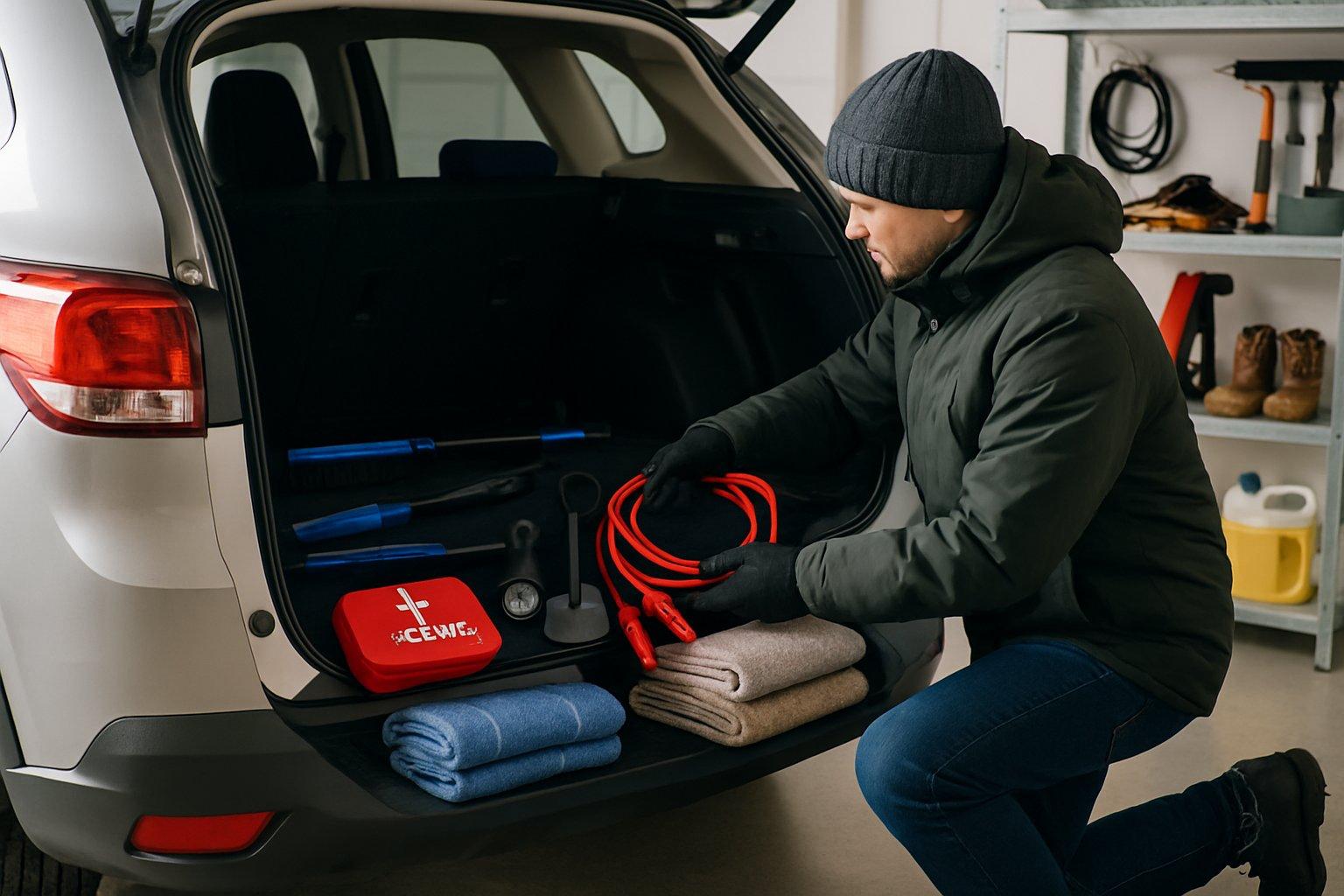
I always stash some must-have supplies in my car for winter. You never know when you’ll break down or get stuck, and having the right kit can make a huge difference.
Stocking a Winter Emergency Kit
I put together a solid winter car emergency kit every year. Mine has bottled water, snacks like granola bars, and a first aid kit with basics like bandages and pain meds.
Here’s what I always include:
- Flashlight with extra batteries
- Phone charger or portable battery pack
- Emergency flares or reflective triangles
- Multi-tool with knife and pliers
- Duct tape for quick repairs
I keep a small shovel in the trunk and a bag of sand or kitty litter for traction. AAA says jumper cables are a must since cold kills batteries fast.
I toss everything into a waterproof bag or container. Every fall, I check for expired snacks and swap out dead batteries.
Packing Extra Clothing and Blankets
Even if I’m dressed for indoors, I keep warm gear in the car. Getting stranded in the cold is no joke.
Here’s what I pack:
| Item | Purpose |
|---|---|
| Wool blankets | Stay warm, even if wet |
| Extra gloves | Keep hands warm for repairs |
| Warm hat | Cut down heat loss |
| Heavy socks | Dry, warm feet |
| Rain poncho | Stay dry outside |
I go for wool or synthetic—cotton just doesn’t hold heat when it’s wet. Hand and foot warmers are a nice touch; they heat up when you open them.
Everything stays in a sealed bag to keep out moisture. I swap out the gear every season to keep it fresh and ready.
Including Snow Removal Tools
I keep a handful of tools for clearing snow and ice. Without them, you’re not going anywhere fast.
Here’s what I carry:
- Ice scraper with brush
- Snow brush with telescoping handle
- Small shovel for digging tires out
- Rock salt or ice melt for traction
- Tire chains sized for my car
I also keep a de-icer spray for locks and windshields. Car and Driver says a broom helps clear snow off the roof and hood, too.
I practice putting on tire chains in my garage ahead of time. When it’s freezing and stressful, it pays off. All the tools live in the trunk, where I can grab them quickly.
Storing and Parking Considerations
Location selection is honestly one of the most important things for winter car storage. Try to pick a spot that keeps your car out of the worst weather, or at least gives it a fighting chance.
Indoor storage is probably your best bet if you can swing it. Garages, storage units, or even just a basic covered parking area will help shield your car from snow, ice, and those wild temperature swings.
If you can’t get your car indoors, I’d look for sheltered outdoor locations. Maybe there’s a spot with some wind protection or a roof of some sort—anything helps.
Avoid parking under trees if you can. Branches come down when you least expect it, and heavy snow piling up can do a number on your windows and paint.
| Storage Type | Protection Level | Cost | Accessibility |
|---|---|---|---|
| Heated Garage | Excellent | High | Easy |
| Unheated Garage | Good | Medium | Easy |
| Covered Parking | Fair | Low | Easy |
| Open Outdoor | Poor | Free | Easy |
Ground surface matters more than people think. I usually go for concrete or asphalt instead of grass or dirt, just to avoid moisture problems and weird tire issues.
Tire care is worth paying attention to when you’re storing your car. Inflate your tires to the manufacturer’s recommended PSI so you don’t end up with annoying flat spots.
If you’re leaving the car for a while, I use wheel chocks instead of the parking brake. Parking brakes can rust up and get stuck, which is just a headache you don’t need.
Jack stands can also help with flat spots and take some pressure off the suspension if your car is sitting for a few months. Not everyone does this, but it does make a difference for longer storage.