
Checking your transmission fluid is honestly one of the most important things you can do to keep your car running well. Let’s go through how to find your transmission dipstick, check the fluid level and quality, and figure out what those results actually mean for your car’s health.
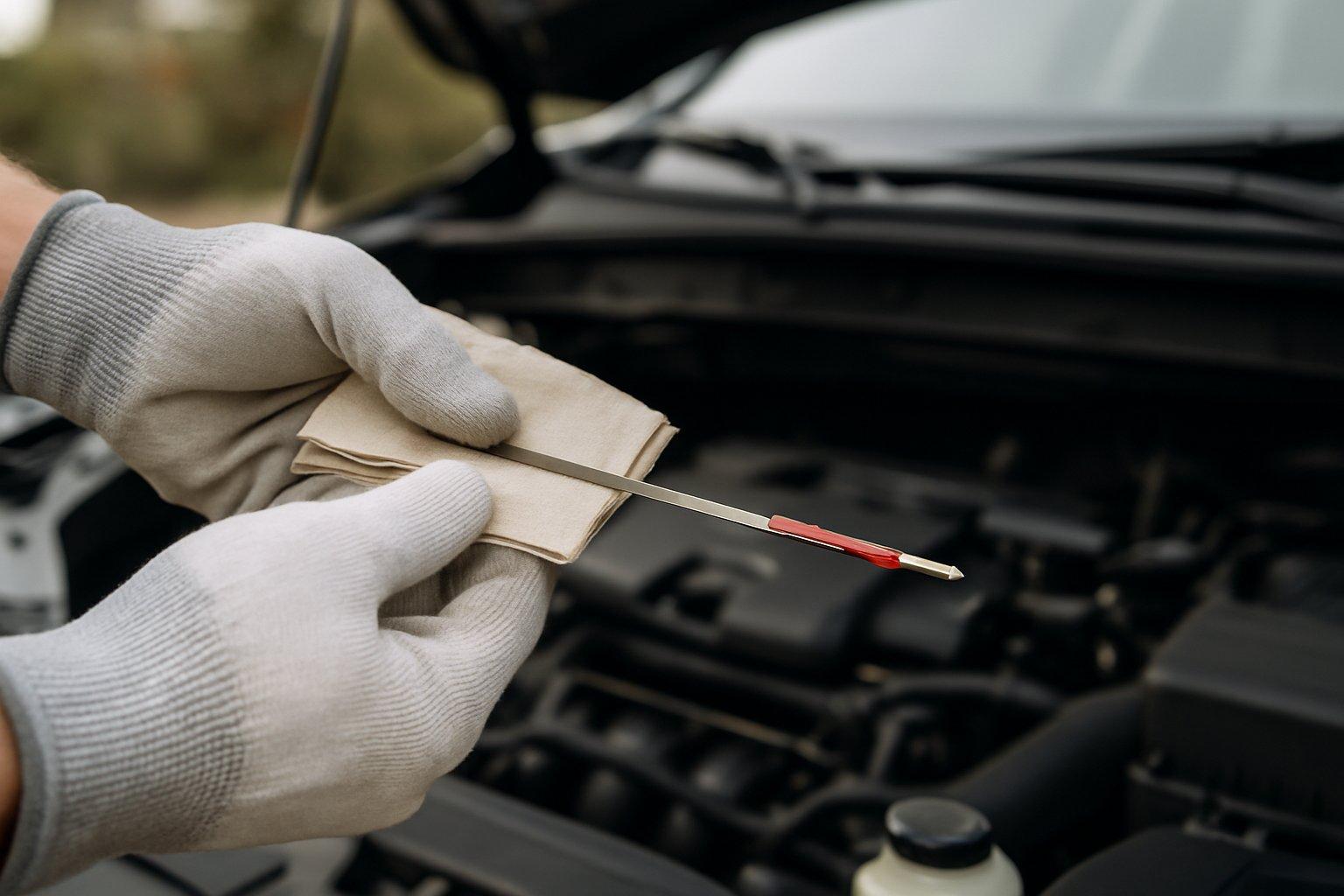
Most people skip this step, but low or dirty transmission fluid can cause rough shifts, overheating, or even full-on transmission failure. The upside? You can pick up this skill in just a few minutes if you’ve got the right info and a rag.
I’ll cover everything from when to check your fluid to what weird colors or smells might mean. You’ll also get a sense of when it’s time to add fluid, when to call in the pros, and how to avoid the classic mistakes that ruin transmissions.
Why Checking Transmission Fluid Is Important
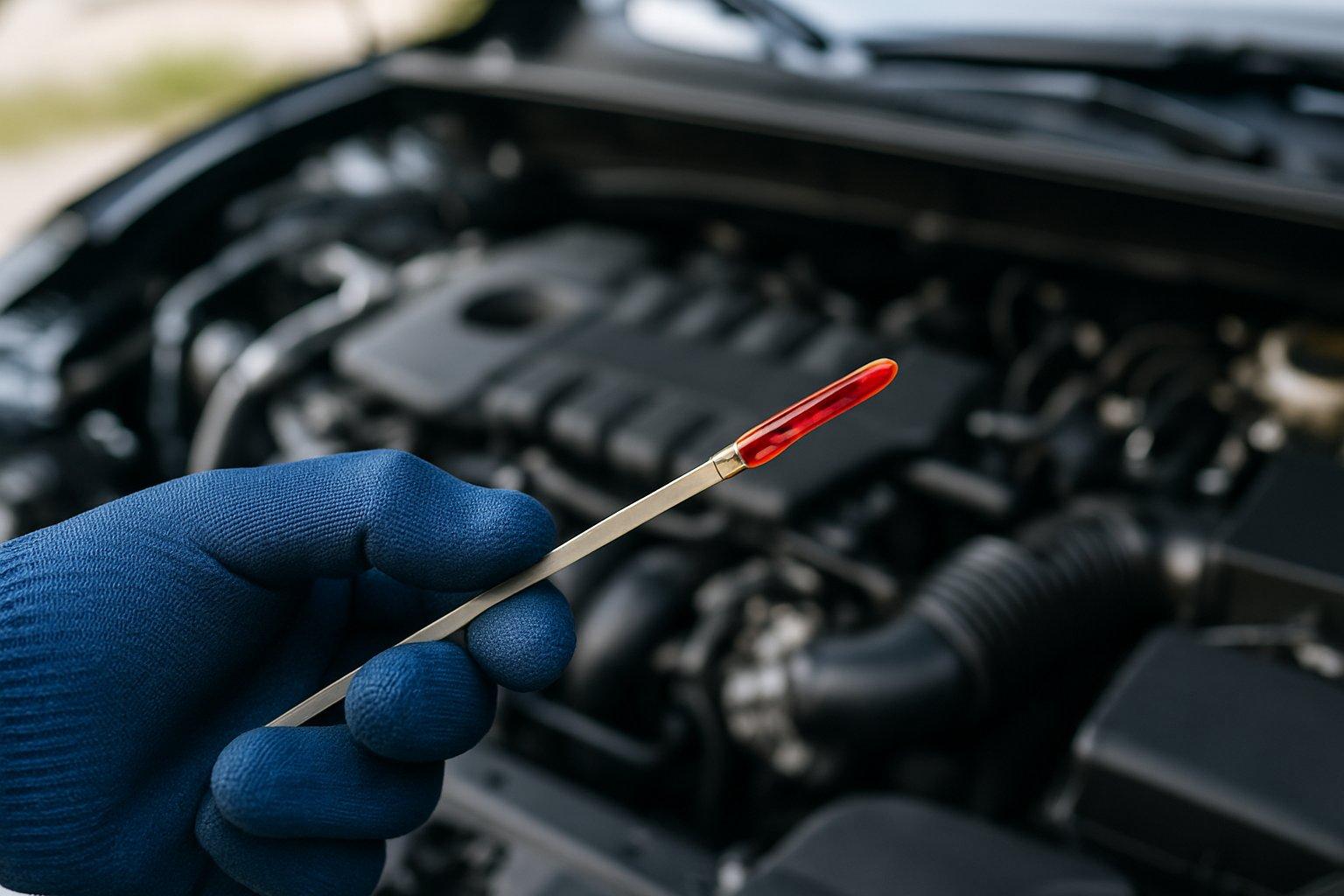
Regular transmission fluid checks help you dodge expensive repairs and keep your car shifting as it should. Letting fluid get low or dirty can wreck transmission parts—and leave you with a massive repair bill.
Preventing Transmission Damage
I always remind people that transmission fluid acts as both a lubricant and a coolant for the moving parts inside. If you don’t have enough, metal-on-metal contact and heat build up fast.
This grinding tears up gears, clutches, and bands inside the transmission. It doesn’t take long for damage to start if fluid runs low.
Common damage from low fluid includes:
- Burned clutch plates
- Worn gear teeth
- Damaged pump parts
- Overheated internal components
Old or dirty fluid can’t lubricate well and might clog tiny passages in the transmission. I’ve seen transmissions fail just because someone ignored this basic check.
Ensuring Optimal Performance
Fresh transmission fluid at the right level keeps your car shifting smoothly. Shifting should be seamless, whether you’re crawling in traffic or merging onto the highway.
Low fluid causes some problems you’ll notice right away:
| Problem | What You Feel |
|---|---|
| Delayed shifts | Car hesitates between gears |
| Hard shifts | Jerky or rough gear changes |
| Slipping | The car hesitates between gears |
| No movement | The engine revs, but the car doesn’t accelerate |
The transmission needs the right fluid pressure to work its magic. Without enough, the hydraulic system just can’t do its job.
Honestly, checking fluid monthly is way easier than dealing with a broken transmission. Small problems are cheaper to fix than big ones.
Extending Vehicle Lifespan
Keeping up with transmission fluid checks adds years to your car’s life. A well-cared-for transmission can hit 200,000 miles—or more.
I’ve seen cars with 300,000 miles still shifting like new because their owners checked and changed fluid regularly.
Benefits of regular fluid checks:
- Transmission lasts longer
- Fewer big repair bills
- Better resale value
- Reliable transportation, day in and day out
Skipping fluid checks can seriously shorten your car’s life. Most early transmission failures could’ve been prevented with just a bit of attention.
Identifying the Right Time to Check Transmission Fluid
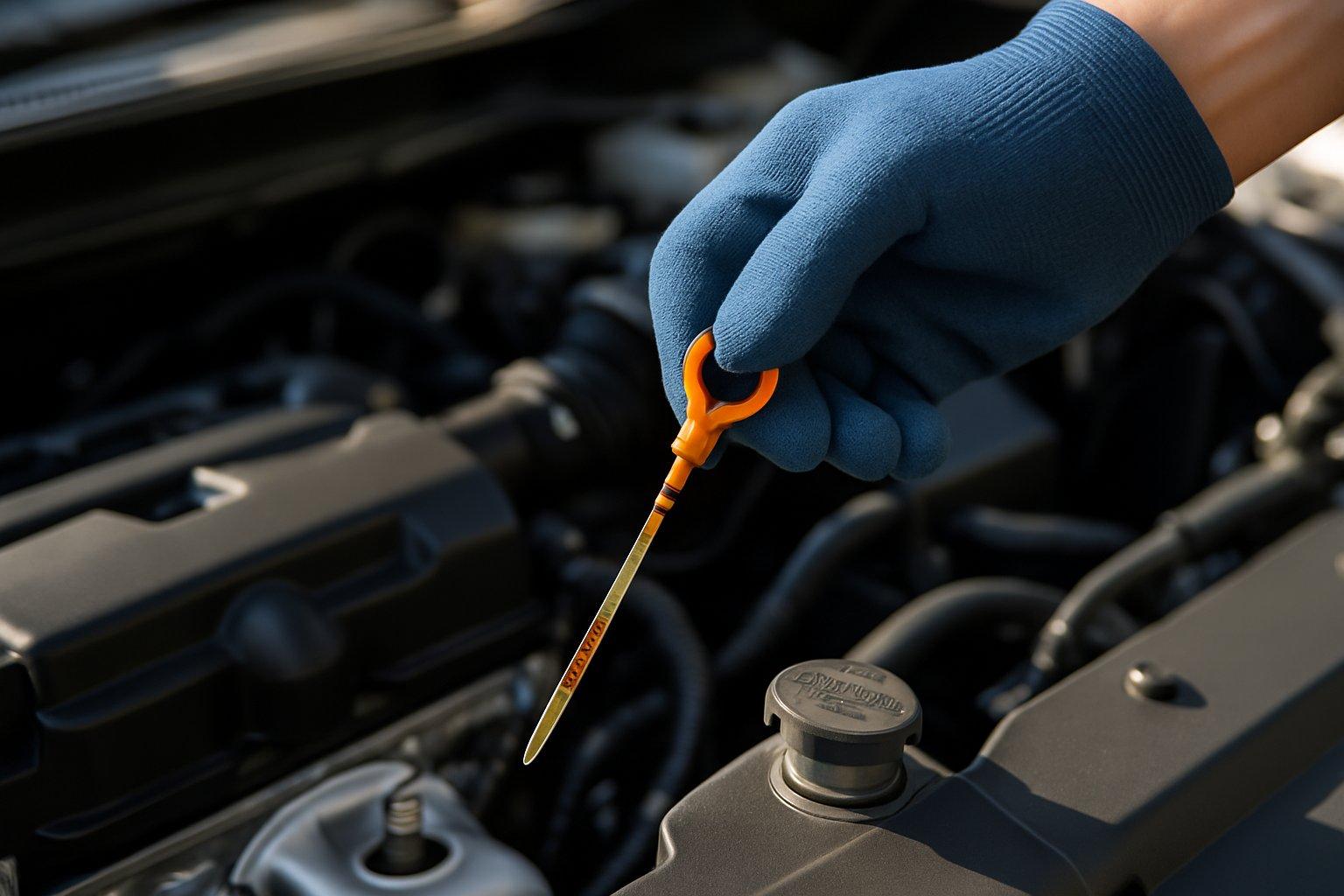
You don’t need to check your transmission fluid every time you get gas, but there are smart intervals and warning signs. Knowing when to check transmission fluid can save you a fortune.
Manufacturer Recommendations
Start with your car’s maintenance schedule. Most makers say to check the fluid every 30,000 to 60,000 miles.
Your owner’s manual will have the exact details for your car. Some modern vehicles have sealed transmissions that only a pro should touch.
You’ll find maintenance intervals in these places:
- Owner’s manual (always the best bet)
- Service sticker inside the driver’s door
- Manufacturer website for your model
- Dealership service department if you’re unsure
Many cars need a check every 12 months or 12,000 miles, but high-performance models might need it more often. Always check before a long trip—nobody wants a breakdown far from home.
Signs of Low or Contaminated Fluid
If you notice certain symptoms, don’t wait—check your transmission fluid ASAP. Catching the signs early can save you from a nightmare repair.
Shifting Problems:
- Hard or delayed shifting
- Slipping gears
- Grinding noises during shifts
Visual and Physical Signs:
- Fluid puddles under the car
- Burning smell from the hood
- Dashboard warning lights
Performance Issues:
- Hesitation when accelerating
- Rough idling
- Weird whining sounds
Don’t ignore these. If the fluid looks dark brown or black instead of bright red, that’s a red flag.
Burnt-smelling fluid is a sign of overheating. That’s one to deal with right away if you want to avoid big trouble.
Mileage and Usage Factors
How and where you drive makes a difference in how often you should check transmission fluid. Tough driving conditions mean more frequent checks.
High-Risk Driving Conditions:
- Stop-and-go city driving
- Towing heavy stuff
- Mountain roads
- Extreme hot or cold weather
For severe use, I’d check every 15,000 miles. If you drive mostly on the highway, 30,000 miles is usually fine.
Vehicle Age Considerations:
| Vehicle Age | Check Frequency |
|---|---|
| Under 3 years | Follow manual |
| 3-7 years | Every 20,000 miles |
| Over 7 years | Every 15,000 miles |
Older cars need more love since seals wear out and leaks can start. High mileage? Keep a closer eye out.
I keep track of my mileage so I don’t lose track. Catching problems early makes life a lot less stressful.
Locating the Transmission Dipstick
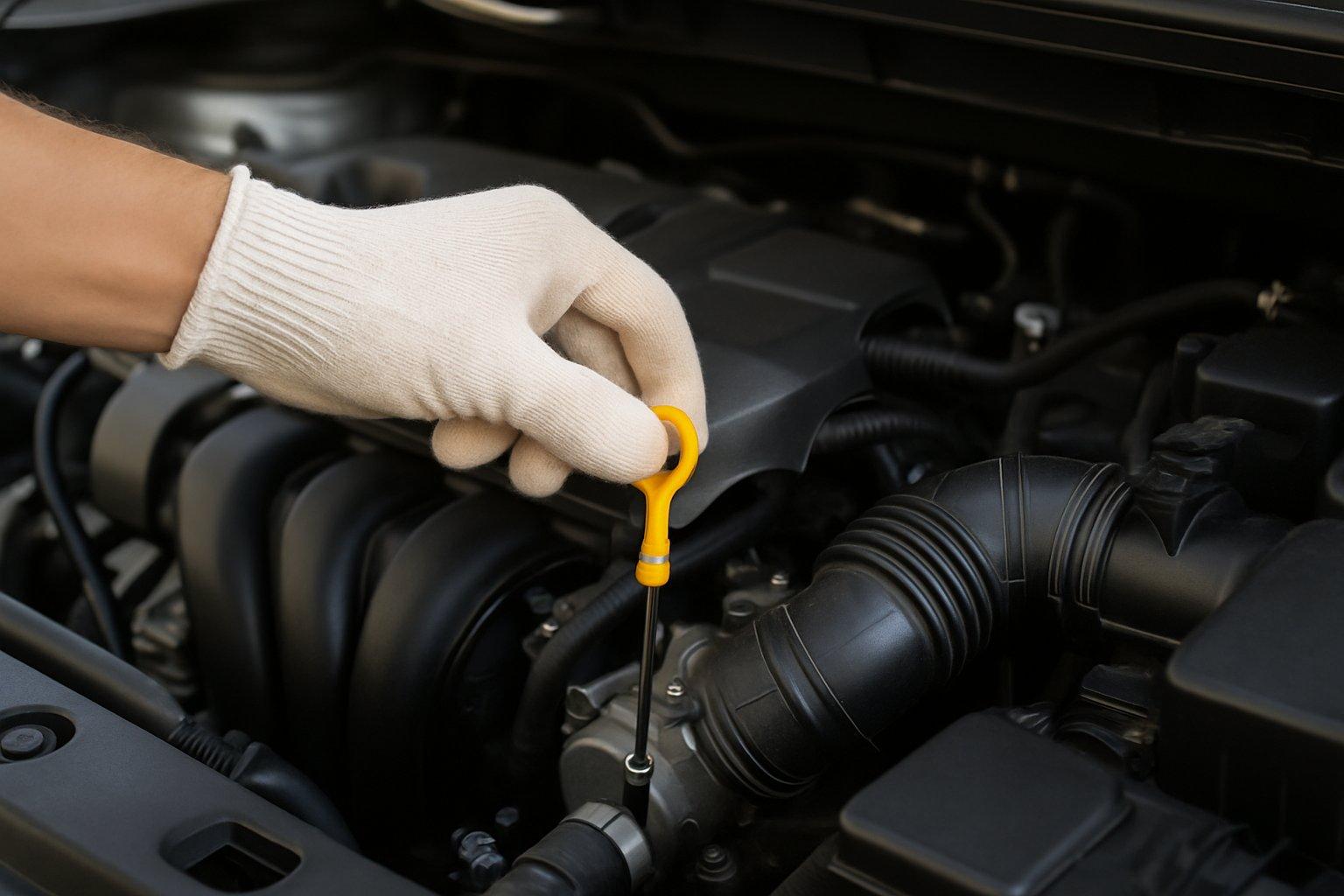
The dipstick’s location depends on your vehicle’s setup. Front-wheel drive cars usually have it near the transaxle; rear-wheel drive vehicles put it closer to the transmission tunnel.
Front-Wheel Drive Vehicles
For front-wheel drive, I look for the transmission dipstick near the firewall. It’s often got a red or yellow handle—pretty hard to miss, but not always.
Here’s what I look for:
- Handle color: Red, yellow, or orange plastic loop
- Label: Might say “TRANS” or “ATF”
- Location: Driver’s side, up near the firewall
- Shape: Longer than the oil dipstick, with different markings
Front-wheel drive cars combine the transmission and differential, so the dipstick sits closer to the middle of the engine bay. I always double-check the owner’s manual since some makers get creative with placement and colors.
Rear-Wheel Drive Vehicles
Rear-wheel drive cars put the dipstick in a different spot. Usually, I find it on the passenger side, closer to the transmission tunnel.
Common locations:
- Behind the engine, near the transmission bell housing
- Along the passenger side firewall
- Near the transmission cooler lines
- Close to the transmission mount
The dipstick tube runs down into the transmission pan. Look for a handle—red, yellow, or black—with clear labels.
Trucks and SUVs sometimes put it higher for easy access. Sports cars might hide it lower or in tight spaces.
Don’t mix it up with the oil dipstick—it’s usually on the driver’s side and has a different color or label.
Vehicles Without a Transmission Dipstick
Lots of newer cars don’t have a traditional transmission dipstick anymore. Sealed transmissions are becoming the norm, especially in manuals and some automatics.
These cars usually use:
- Fill plugs: On the side of the transmission case
- Electronic sensors: Handle fluid level checks automatically
- Service ports: Need special tools
- Sight glasses: Little windows to see the fluid level
I always check the manual to see if my car has a dipstick. If not, you’ll probably need to lift the car or hit the shop for a check.
Manufacturers ditched dipsticks to avoid mistakes and contamination. Some even claim “lifetime” fluids that never need changing—though I’m not sure I’d trust that for the life of the car.
Warning signs of fluid trouble in sealed systems include:
- Rough shifting
- Slipping gears
- Strange noises
- Dashboard lights
If you can’t check it yourself, a professional is your best bet. It’s better than guessing and hoping for the best.
Step-By-Step Guide to Checking Transmission Fluid
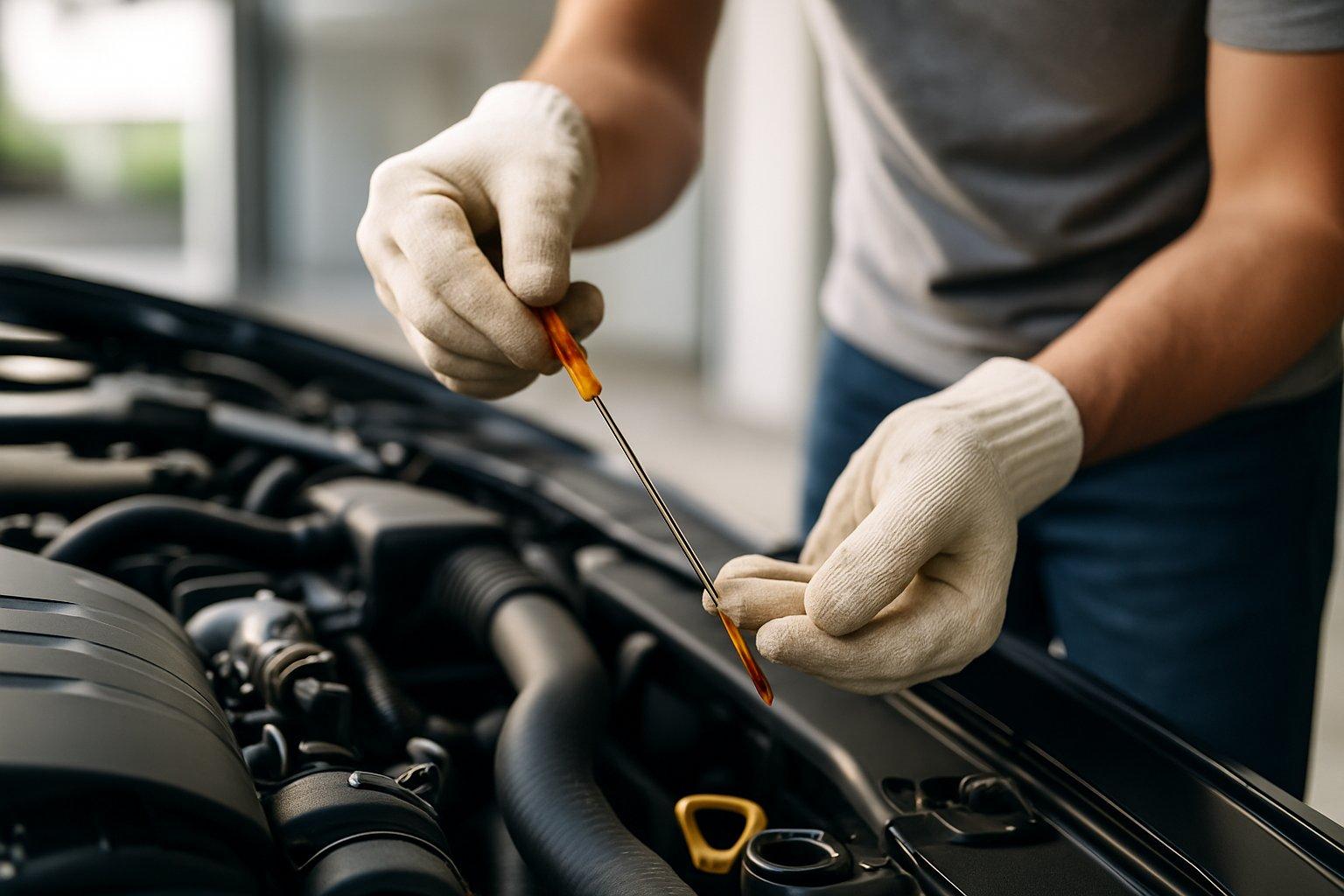
First things first: warm up your engine and make sure you know where the transmission dipstick is before you even think about checking fluid levels. You’ll want to check both the level and the condition of the fluid—here’s a quick reference if you need it.
Preparing the Vehicle
I always start by warming up my engine before checking transmission fluid. Cold fluid just sits lower in the system and gives you a bad reading.
Usually, I let it run for 5-10 minutes, then shift through all the gears—park, reverse, drive, the works. That gets the fluid moving everywhere it needs to go.
Safety Steps I Follow:
- Park on level ground
- Engage the parking brake
- Keep the engine running (unless a manual transmission)
- Wear safety gloves
- Have clean rags ready
Level ground is a must. If your car’s tilted, you’re just asking for a false reading.
Doing the prep right keeps things safe and accurate. Don’t even think about checking fluid with a cold engine.
Accessing the Transmission
Now, find the transmission dipstick. It’s not the same as the oil one—usually longer, sometimes with a red handle.
If you can’t spot it, dig out your owner’s manual. Some cars hide it in weird spots.
Common Dipstick Locations:
- Near the back of the engine bay
- Along the firewall
- Next to the brake master cylinder
Pull the dipstick straight out—don’t twist unless you see a lock or release button.
Wipe it off with a lint-free rag. Any dirt or fuzz can mess up your reading.
Slide the dipstick all the way back in, then pull it out again for the real measurement. That’s the only way to get a solid result.
Interpreting Fluid Level and Condition
Check the dipstick for “Min” and “Max” lines or crosshatches. That’s your guide.
Fluid Level Guide:
- Between Min/Max: Good level
- Below Min: Add fluid immediately
- Above Max: Drain excess fluid
Now, peek at the color and texture. Good fluid should be red, clear, and free of gunk.
Fluid Condition Signs:
- Red/Pink: Good condition
- Brown/Black: Needs replacement
- Metal particles: Serious transmission wear
- Burnt smell: Overheating damage
Bubbles or foam? That usually means you’ve got too much fluid or there’s an internal problem.
If it smells burnt or looks dark, I don’t wait—I get it serviced. Low or dirty fluid can wreck your transmission fast.
Understanding Transmission Fluid Characteristics
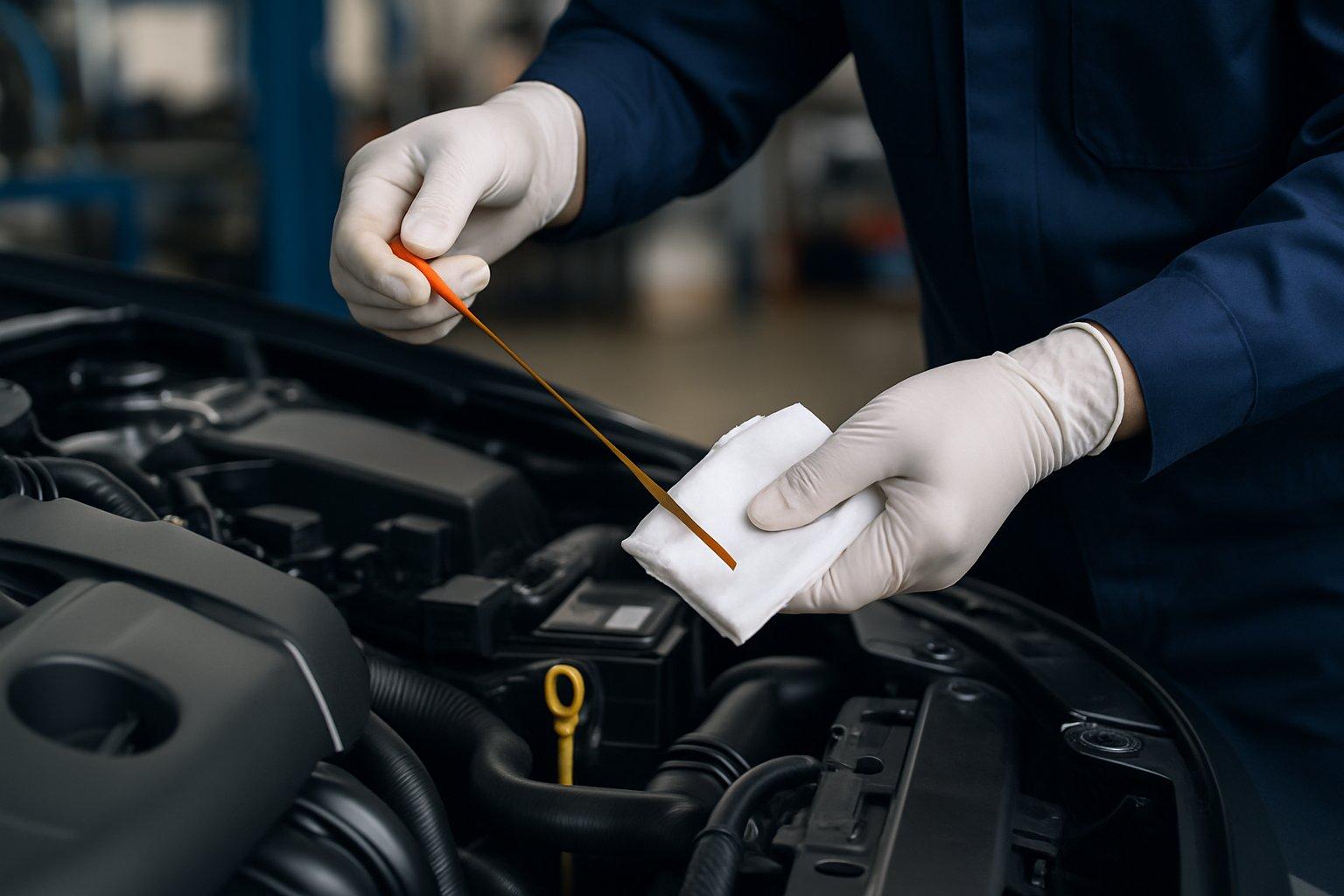
Healthy fluid is bright red and flows like thin oil. If it’s dark, smells burnt, or feels sticky, that’s trouble.
Normal Transmission Fluid Color
Fresh fluid should look cherry red. That color means it’s clean and loaded with the right additives.
Some newer cars use different colors—Honda, for example, has light amber, and Mercedes might use yellow. Check your manual if you’re not sure what’s right for your car.
Hold the dipstick up to the light. If it’s clear, you’re good. Cloudy fluid? That’s a red flag for contamination or breakdown.
Recognizing Burnt or Dirty Fluid
Dark brown or black fluid usually means something’s gone wrong. That color shows it’s overheated and broken down.
If it smells like burnt toast, that’s a bad sign. Low or contaminated fluid needs attention ASAP.
Dirty fluid looks muddy or gritty. Metal shavings are especially bad—they mean internal parts are wearing out. Milky or foamy fluid? That could be coolant mixing in, which needs a pro’s help.
Transmission Fluid Consistency
Normal fluid feels slick and lightweight, a bit like motor oil. Try rubbing a drop between your fingers to check.
If it’s thick or sticky, it’s probably broken down from heat or age. That can cause shifting problems.
If it’s thin or watery, you might have a coolant leak or the wrong fluid. The right consistency is key for pressure and smooth gear changes. Keeping it in good shape makes your car happier.
How to Top Off or Change Transmission Fluid
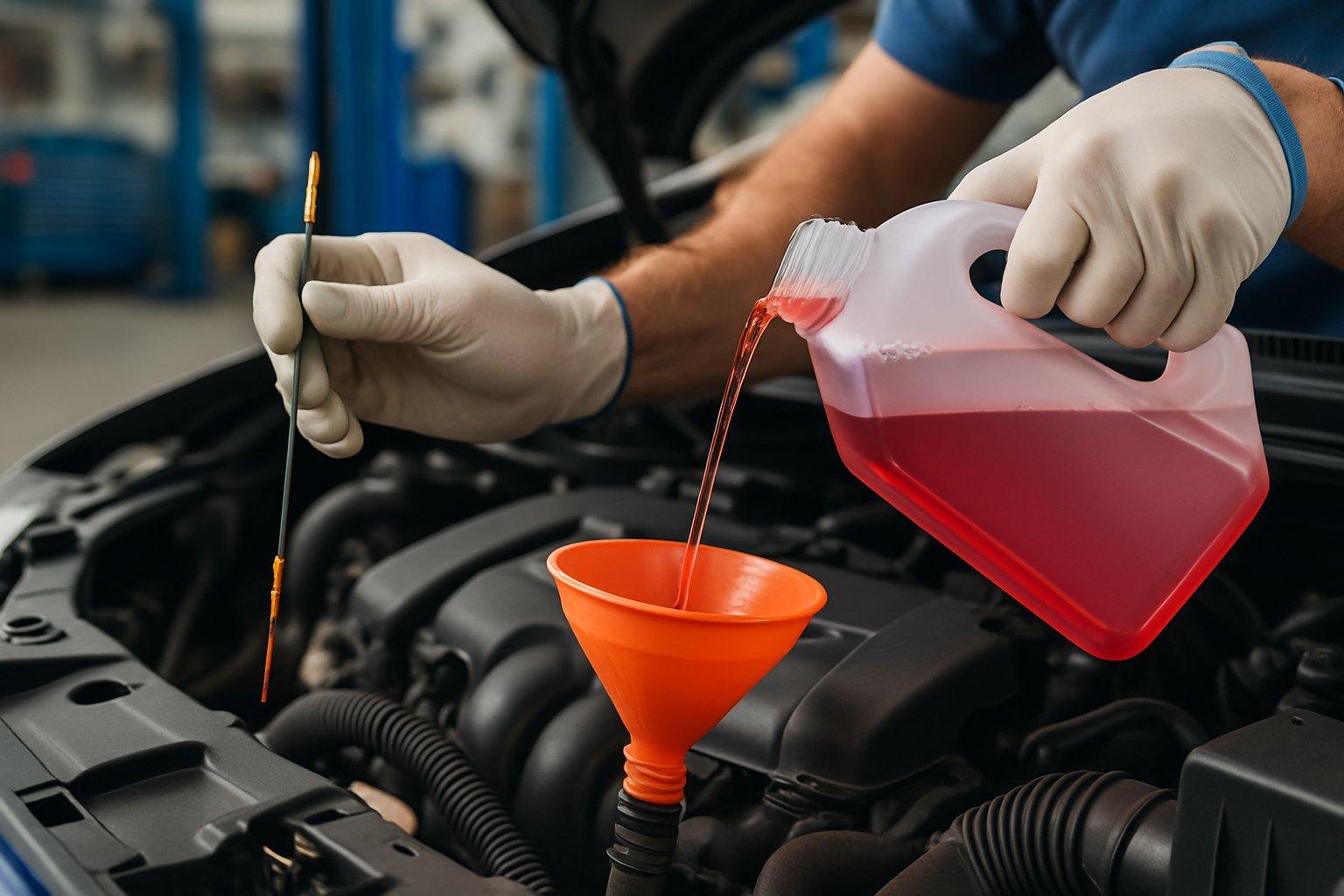
Getting the right fluid and adding it the right way really matters. Topping off is quick, but full changes have their own timing.
Selecting the Correct Fluid Type
I always double-check my manual for the exact fluid type. Using the wrong stuff can mess up seals or cause shifting headaches.
Automatics usually take ATF—red or green, so you don’t mix it up with oil.
Manuals might need gear oil or a special manual transmission fluid. Some newer manuals even use ATF, which is kind of wild.
Here are common fluid types I run across:
| Transmission Type | Typical Fluid |
|---|---|
| Automatic | ATF (Dexron, Mercon) |
| CVT | CVT-specific fluid |
| Manual | Gear oil or MTF |
Don’t mix brands or types unless you know they’re compatible. Fluid helps with seals and pressure.
The bottle should say which vehicles it fits. Always match it to your car’s year, make, and model.
Safely Adding Transmission Fluid
First, find the dipstick or fill plug. Automatics almost always have a dipstick.
For dipstick systems: Pull the dipstick, pop a funnel in, and add a little at a time—maybe half a cup. Check the level as you go.
For fill plug systems: Remove the plug and add fluid until it just starts to overflow.
Always do this with the engine running and the transmission warm. That’s the only way to get an honest reading.
Here’s how I keep things safe:
- Park on level ground
- Set the parking brake
- Keep the engine running
- Add fluid slowly—don’t rush it
Topping off takes patience. I check the dipstick every time to avoid overfilling.
Too much fluid causes foaming and can wreck parts. Stop as soon as you hit “Full.”
When to Schedule a Full Fluid Change
Topping off and full changes aren’t the same thing. They happen on different schedules.
Top-offs are for minor leaks or evaporation. I do this when I notice it’s a bit low.
Full changes mean swapping out all the old fluid. How often? It depends on how and where you drive, plus your transmission type.
Typical intervals:
- Normal driving: Every 30,000-60,000 miles
- Severe conditions: Every 15,000-30,000 miles
- CVT transmissions: Always follow the manual
Severe conditions? Think stop-and-go traffic, towing, or extreme heat/cold. That stuff burns up fluid faster.
If the fluid’s dark or smells burnt, I don’t wait—I schedule a change. No sense risking a big repair bill later.
Shops have special machines to swap out more fluid than you can at home.
Common Mistakes to Avoid When Checking Transmission Fluid
Checking fluid on a cold engine? That’s a classic mistake. Too much or too little fluid can cost you big time in repairs.
Checking on a Cold Engine
I always warm up my engine before checking. Cold checks are almost always wrong unless your manual says otherwise.
Cold fluid sits low in the pan. It’ll look like you’re low even if you’re not.
It’s also thicker and doesn’t flow right, so the dipstick lies to you. You could end up overfilling by accident.
So, I let the engine run 5-10 minutes, then shift through all the gears while parked.
Some cars want the engine running, others want it off. I always double-check the manual just to be sure.
Getting the temperature wrong means you might add fluid you don’t need. That’s just asking for trouble.
Overfilling or Underfilling
I never add fluid without checking the level first. Too much fluid leads to foaming and can damage parts inside.
Extra fluid makes bubbles and foam, which means lousy lubrication and rough shifts.
Overfilled transmissions can even leak through seals and vents. That pressure pushes fluid where it doesn’t belong.
Underfilling is just as risky. Low fluid can cause:
- Hard shifting
- Slipping gears
- Overheating
- Even total failure
I always check twice for a consistent reading. Wipe the dipstick between checks.
The fluid should sit between “Min” and “Max.” If it’s low, I add small amounts—never all at once.
Contaminating the Transmission
I always keep the dipstick and funnel spotless when checking or adding fluid. Even a little dirt can cause expensive headaches inside the transmission.
Tiny particles have a way of sneaking in, clogging filters, and messing up moving parts. I make a point of wiping the dipstick with a lint-free cloth before sliding it back in.
Letting the dipstick touch the ground? Not a chance. If the fluid looks dark or you spot metal shavings, that’s usually a bad sign.
Clean tools are essential:
- Lint-free rags for wiping
- Clean funnel for adding fluid
- Gloves to keep hands clean
While checking the fluid, I stash the dipstick somewhere clean—wind can blow dust onto a wet dipstick before you know it.
Using the wrong type of transmission fluid can cause damage or even void a warranty. I stick to the exact fluid type my owner’s manual calls for, no exceptions.
Different transmissions, different fluids. Mixing them? That’s just asking for chemical problems—think ruined seals and slipping clutches.
When to Consult a Professional Mechanic
Some transmission troubles are just out of reach for DIY fixes. These cars get complicated fast, and persistent issues really should be checked out by a pro.
Persistent Transmission Issues
If the transmission keeps acting up after a fluid change, it’s time to call in a mechanic. Ongoing problems almost always mean something deeper is wrong.
Warning signs that need professional attention:
- Gears slip even with proper fluid levels
- Transmission makes grinding or whining noises
- The car hesitates or jerks when shifting
- Fluid leaks keep coming back after repairs
Slipping gears and transmission challenges usually need special diagnostic tools. Mechanics can check internal pressure and spot worn parts that most drivers would miss.
Unusual Fluid Appearance or Smell
Weird fluid conditions are a big red flag. If the transmission fluid looks or smells off, it’s time to get a mechanic involved.
Fluid conditions requiring professional diagnosis:
| Appearance | Possible Problem |
|---|---|
| Metal particles | Internal gear wear |
| Foamy or bubbly | Air in system |
| Milky color | Coolant leak |
| Black and thick | Severe overheating |
Unusual textures or smells could be signs of internal transmission wear. Mechanics have the right tools to test for contamination—much better than guessing at home.
If the fluid smells burnt, that probably means something inside has overheated. Sweet smells? That could mean coolant is leaking in. Either way, these issues need quick professional attention before things get worse.
Uncertain or Complicated Vehicle Designs
Some vehicles come with transmission systems that are, honestly, a headache for DIY fluid checks. When I’m not sure about the design, it’s just smarter to ask a professional.
Vehicles needing professional service:
- Cars without traditional dipsticks
- Sealed transmission systems
- Hybrid or electric vehicles
- High-performance sports cars
Modern vehicles usually have specific guidelines and recommendations regarding transmission fluid checks. Sometimes, you need special tools or techniques that, frankly, only trained techs have any business using.
Guessing your way through an unfamiliar transmission? That’s a bad idea. Mechanics know what each design needs and can check the fluid without risking damage or messing with your warranty.
4 thoughts on “How To Check Transmission Fluid: A Complete Guide for Vehicle Maintenance”
Comments are closed.