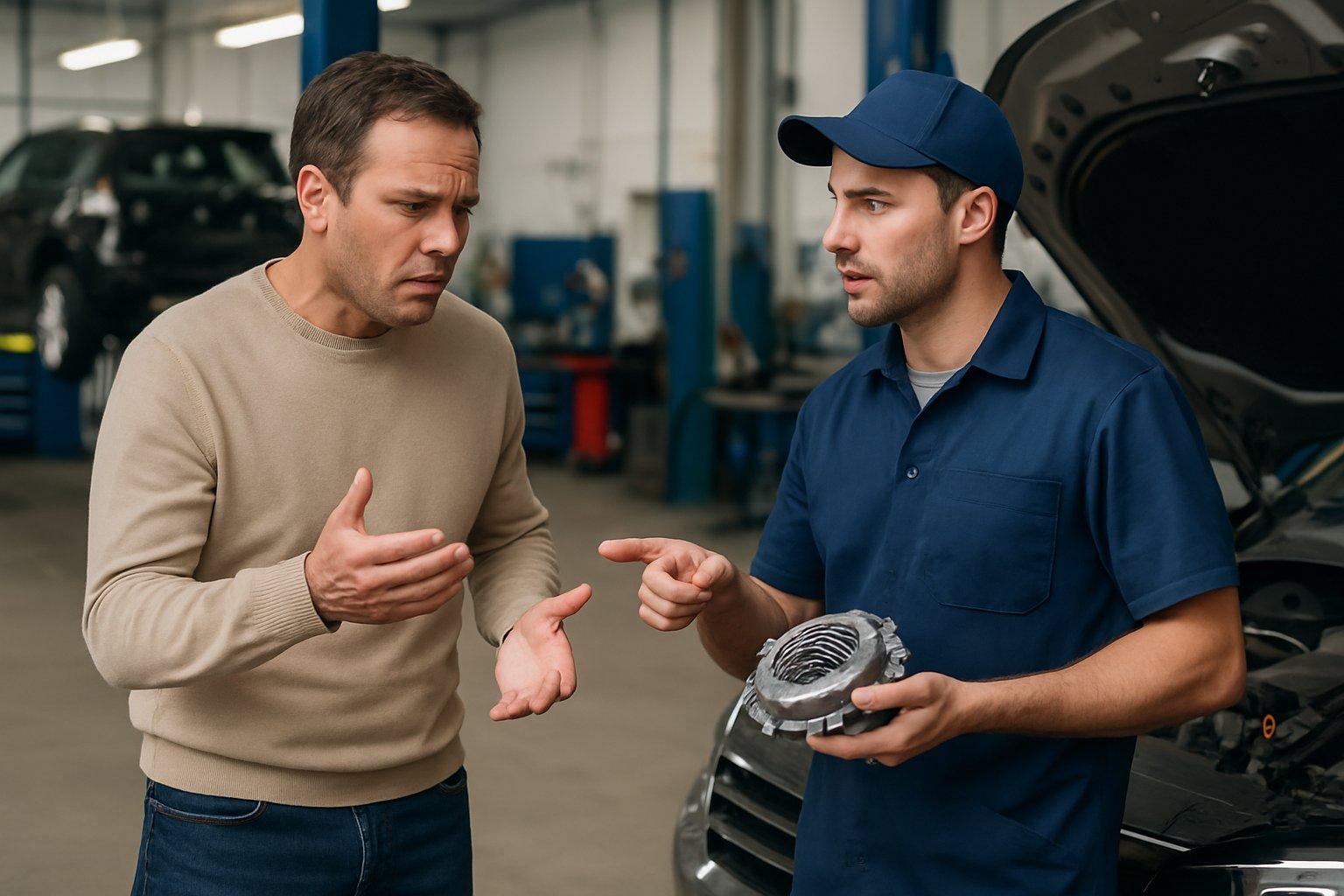
Car repair scams drain drivers of thousands every year—sometimes through unnecessary services, other times with bloated prices or outright fraud. Three-quarters of mechanic scams occurred at auto repair shops and 25% at car dealerships. So, yeah, it’s crucial for car owners to get wise to these schemes.
I’ve watched too many folks get taken in by dishonest mechanics just because they didn’t know better. From phony brake issues to “urgent” transmission repairs, scams can be as simple as overcharging or as sneaky as swapping out your good parts for junk.
But here’s the thing: you can actually protect yourself if you know what to watch for. Let me break down the most common repair scams, the tricks shops use, and how to dodge them. Spotting the warning signs could save you a ton of cash—and a lot of headaches.
Understanding Car Repair Scams

Car repair scams hit Americans for billions every year—unneeded services, fake parts, padded labor charges, you name it. These shady moves target folks who aren’t car experts and trust the shop to play fair.
What Are Car Repair Scams
Car repair scams are all about mechanics tricking customers for extra money. Auto repair shops use various tactics to get you to pay for stuff you don’t need.
The classic scam is upselling repairs you don’t actually need. Maybe your car’s running fine, but the mechanic insists on pricey fixes—or shows you a filthy part and claims it’s toast.
Another favorite? Charging you for work that never happened. Some shops just take your cash and skip the repairs, or they might spray-paint old parts to look “new” instead of replacing them.
Fake parts scams are everywhere. Mechanics charge you for genuine parts but slap in cheap knockoffs. Counterfeit auto parts cost the U.S. over $3 billion every year—it’s wild.
And then there’s labor hour inflation. Some shops bill you for the full “book time,” even if their pros finish the job in half the time.
Why Car Owners Are Targeted
Most people aren’t car experts, so they’re easy targets. Mechanics know this gap gives them leverage.
Shops sometimes use scare tactics, saying stuff like, “If you don’t fix this, your brakes could fail.” Suddenly, a small issue sounds life-or-death.
Trust is a big deal here. We want to believe mechanics are honest. A lot of folks have no clue how their car works, which makes it easy to get fooled.
Modern vehicles are crammed with computers and tech, confusing even car fans. That complexity makes it tough to spot a fake diagnosis.
And let’s be real: when your car’s down, you need it back fast. That urgency means you might skip getting a second opinion or doing your own research.
The Impact of Repair Scams on Consumers
These scams hit wallets and nerves. A 2023 survey found that 50% of car owners said shops tried to sell them work they didn’t need.
Costs add up fast. Just one repair on a modern car can run over $1,500, especially with all the tech packed in now. Multiply fake charges across the country and, well, it’s a mountain of money.
Safety is a bigger worry. Counterfeit brake pads or airbags? They might not work when you need them most. That’s not just a money issue—it’s a real risk.
And honestly, getting scammed stings. It kills trust in repair shops, and nobody likes feeling duped.
Time gets wasted too. You might need extra trips to fix problems that should’ve been solved the first time. It’s stressful and messes with your schedule.
Legal headaches aren’t cheap either. Some folks hire lawyers to get their cash back, which just piles on more expenses.
Common Types of Car Repair Scams
Scammy shops target people with unnecessary repairs, fake part swaps, surprise add-ons, and used parts sold as new. Basically, they use your trust and lack of car know-how to jack up the bill.
Unnecessary Services and Upselling
Some mechanics push for services your car just doesn’t need. A 2023 survey found 50% of car owners got pitched on repairs that weren’t actually necessary.
Unnecessary services often include:
- Oil changes every 3,000 miles, even though modern oils last much longer
- Transmission fluid swaps on newer cars
- Replacing air filters that are still good
- Wheel alignments when your tires aren’t worn
- Fuel system cleanings that do nothing
Some shops even sell engine additives that mess up your fluids and cause new issues. It’s frustrating.
I always double-check my owner’s manual. It spells out when you actually need each service, and it’s usually less often than shops claim.
Mechanics sometimes use scare tactics about safety, like, “If you don’t do this now, something bad will happen.” It’s pressure, plain and simple.
Charging for Parts Not Replaced
This one’s sneaky: you get billed for new parts, but they leave the old ones in. One Florida SUV owner shelled out $1,150 for new catalytic converters that were never actually installed. The shop just spray-painted the old parts.
Watch for these signs:
- They won’t show you the parts they took out
- Replaced parts look too clean or new
- Problems persist after “repairs”
- Shops that won’t let you see the work
About 15% of car owners say shops claimed to fix things but didn’t actually do the work. That leaves your real problems untouched and your wallet lighter.
I make it a habit to ask for the old parts before I pay. Honest mechanics are totally fine with this.
Hidden Fees and Shop Supplies
Lots of shops tack on surprise charges after quoting you a price. You’ll see things like “shop supplies” or “environmental fees” on your bill out of nowhere.
Common hidden fees:
- Shop supply fees (can be 5-10% of the repair)
- Environmental disposal charges
- “Diagnostic” fees that weren’t mentioned upfront
- Storage fees if your car stays overnight
Some places lure you in with a low quote, then add fees until the price doubles. 13% of car owners have paid more than they were originally told.
I always get a written estimate with all fees included before I agree to anything. That way, I don’t get blindsided at pickup.
Legit shops explain every cost upfront. If they don’t, that’s a big red flag.
Using Used Parts as New
Some shops charge you for brand-new parts but install used or counterfeit ones instead. 11% of car owners say they’ve paid for new parts and gotten something else.
Red flags for fake parts:
- Parts look scratched or worn
- No manufacturer packaging
- Prices seem way too low
- No warranty on “new” parts
Counterfeit auto parts cost billions and can be dangerous. These fakes might not meet safety standards, and if they fail, you’re in trouble.
Bad brake pads might not stop your car. Fake airbags might not even deploy.
I stick to shops that buy directly from trusted sources. It’s the only way to be sure you’re getting the real deal.
Service-Specific Scams to Watch For

Some services are just more scam-prone than others. Routine maintenance is easy to oversell because most drivers don’t know what their car really needs. Mechanics can invent problems or push extra treatments during these visits.
Oil Change Deceptions
Oil change scams are everywhere since it’s a service most people get regularly. Shops know you’ll be back every few thousand miles.
One of the oldest tricks is showing you a filthy air filter and saying it came from your car—it needs replacing ASAP, apparently. Some shops keep dirty filters from other cars just to pull this one.
Another move is pushing pricey synthetic oil when your car doesn’t need it. They’ll claim your engine will suffer if you don’t upgrade.
Oil change red flags:
- Sudden “urgent” filter replacements
- Pressure to buy premium oil without a good reason
- Claims that every fluid needs to be topped off
- Insisting on more frequent oil changes than your manual suggests
Always check your owner’s manual for the right oil and intervals. Skip extra services you didn’t ask for.
Engine Flush and Fluid Flush Cons
Engine flushes sound important, so shops love to sell them—usually to people who don’t need them. Most modern cars with regular maintenance don’t need engine or transmission flushes at all.
If your car’s been neglected or has crazy high mileage, maybe it’s worth it. But for most vehicles? Not necessary. Shops might show you dark fluid and claim it’s contaminated, but fluids naturally darken over time.
Watch for these fluid flush warning signs:
- They suggest flushes for newer cars
- Say dark fluid always means contamination
- Push to flush multiple systems at once
- Promise these services will fix unrelated problems
Look up your car’s maintenance schedule before agreeing to any flush. Most manufacturers don’t require them nearly as often as shops claim.
Fake Wheel Alignment Issues
Wheel alignment scams catch people off guard because the symptoms sound so plausible. Mechanics might say your car pulls to one side or that your tires show weird wear patterns.
The sneakiest trick? Loosen your steering wheel before you pick up your car. When you drive away, suddenly it feels like your car’s veering, so you come back thinking you need an alignment.
Some shops even fake alignment readings on their computers. You get shown numbers that look scary, but honestly, they might have nothing to do with your car’s real condition.
Alignment scam indicators:
- Sudden alignment issues right after unrelated services
- Computer printouts but you never see the measurement process
- Claims that hitting any pothole means you need instant realignment
- Insisting on alignment when your tire wear is totally even
If alignment problems pop up out of nowhere, get a second opinion. Take a look at your tire wear yourself before you say yes to any alignment service.
Extended Warranties Abuse
Extended warranties get pushed a lot during basic maintenance visits. Mechanics might say they’ve found problems that would cost a fortune to fix if you didn’t have coverage.
These warranties almost never cover the exact things the mechanic “found.” The fine print is full of exclusions, or you’ll need to jump through hoops just to file a claim.
Some repair shops have deals with warranty companies and get a cut from every sale. That gives them a reason to push coverage you probably don’t need.
Extended warranty red flags:
- High-pressure sales while you’re just in for a routine service
- Scary talk about expensive repairs down the road
- Won’t give you the warranty terms in writing
- Want you to decide right now, no chance to think it over
Read every warranty term closely before buying. Honestly, most extended warranties aren’t worth it compared to just saving up for repairs yourself.
Suspension and Brake Fraud
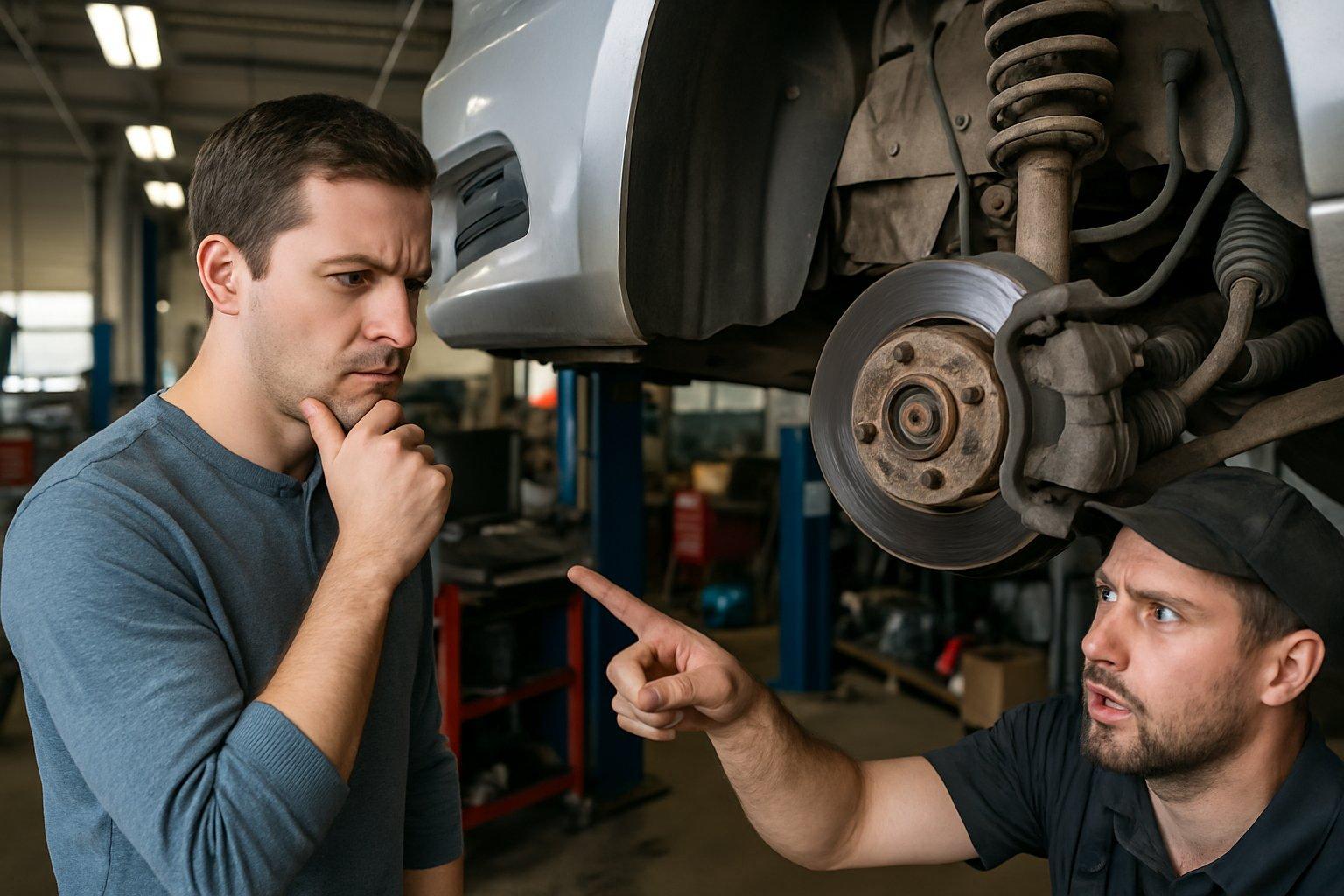
Suspension and brake systems are a favorite target for dishonest mechanics. These are safety parts, so they know people get nervous and might agree to unneeded repairs or inflated prices for stuff that still works fine.
Ball Joints and Suspension Scams
I’ve seen more scare tactics about ball joints than almost any other part. Some mechanics say your ball joints are “dangerously worn” even when they’ve got plenty of life left.
Common ball joint scam techniques include:
- Showing you a worn ball joint that isn’t even from your car
- Claiming you need to replace all ball joints at once
- Throwing around phrases like “catastrophic failure” to freak you out
- Quoting prices that are two or three times the norm
Ball joints usually last anywhere from 70,000 to 150,000 miles. If your car isn’t making clunking noises or pulling, you probably don’t need them swapped out right now.
If a mechanic says you need a bunch of suspension parts replaced, get a second opinion. A lot of auto repair scams involve suspension work because it’s tough for most people to check these parts themselves.
Brake Pad and Caliper Rip-Offs
Brake scams are extra risky since they mess with your safety. Some shops claim you need new brakes immediately, even if your pads are still good.
Red flags for brake fraud:
- The mechanic shows you super-worn pads that don’t even match your car
- Insists you have to replace calipers every time you change pads
- Says your brake fluid is “contaminated” and needs a flush
- Pushes expensive brake packages when you just drive normally
Most brake pads last 25,000 to 65,000 miles, depending on how you drive. If you’re not hearing squealing or grinding, you’ve probably got some time to shop around.
I always ask to see the actual parts they took off my car. Any trustworthy mechanic will show you your old pads and explain why they need to be changed.
The Role of Mechanics in Repair Scams
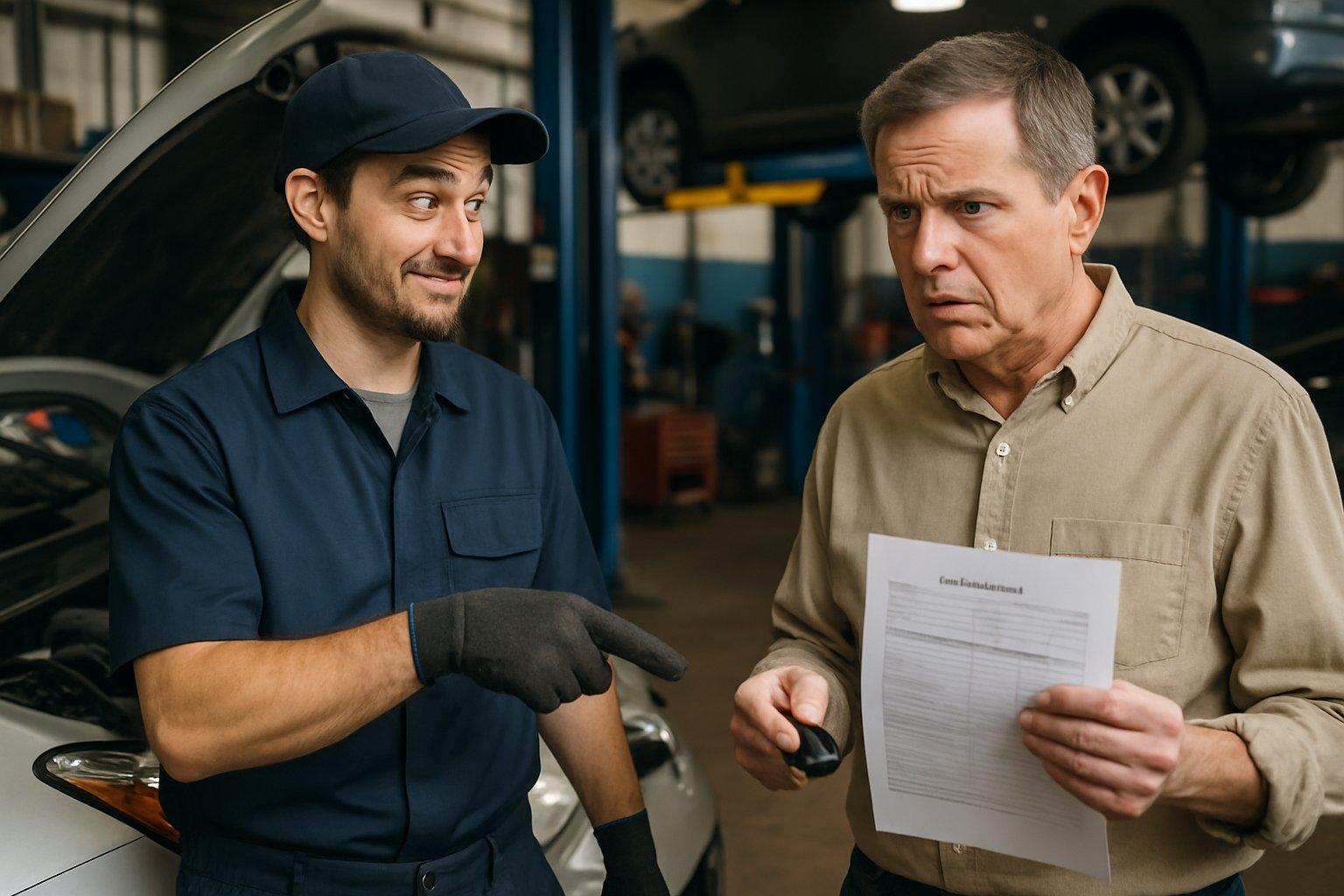
Mechanics are at the center of a lot of auto scams—false diagnoses, padded bills, and hidden incentives. Knowing how dishonest mechanics work helps you dodge unnecessary costs and sketchy practices.
Misleading Diagnoses
It’s not unusual to run into a mechanic who exaggerates or just flat-out invents problems to rack up your bill. They might say you need major work when it’s really just a minor fix.
Misdiagnosing car problems can mean you’re paying for parts and labor you don’t actually need. Sometimes they’ll claim your transmission needs a rebuild when all you need is a fluid change.
Common misleading diagnosis tactics include:
- Claiming urgent safety issues that aren’t real
- Suggesting a bunch of repairs for one tiny problem
- Using confusing jargon so you can’t tell what’s actually wrong
Some will show you dirty or worn parts—often just normal wear items—and act like you’re in danger if you don’t fix them now.
Always ask to see the specific problem. A good mechanic will walk you through what’s wrong and show you the issue.
Second Opinions and Their Importance
Getting a second opinion can save you from bogus repairs or overpriced work. The best mechanics don’t mind if you want to double-check their diagnosis somewhere else.
It’s smart to get another look when the repair bill is over $500. Sometimes you’ll find out the work isn’t even needed or there’s a cheaper fix.
When to get a second opinion:
- Major engine or transmission jobs
- Lots of systems supposedly failing at once
- Repairs that cost more than the car’s worth
- The mechanic rushes you to decide
Another shop might find a simple fix or tell you some repairs aren’t urgent. Comparing shops can save you hundreds, easily.
If a shop tries to scare you into staying by saying your car isn’t safe to drive, remember: you can always have it towed somewhere else for a second look.
Mechanic Kickbacks and Referral Schemes
Plenty of mechanics get financial incentives for recommending certain services or brands. These kickbacks can influence what they suggest, even if it’s not in your best interest.
Parts suppliers sometimes pay mechanics for using their stuff. That can lead to recommendations for pricier or unnecessary parts when regular ones would do just fine.
Common kickback schemes involve:
- Extra cash for selling specific brake pads
- Bonuses for recommending transmission flushes
- Commissions for using fancy diagnostic equipment
Insurance companies also have preferred networks that give mechanics bonuses. Sometimes that means they care more about saving the insurer money than fixing your car right.
Ask your mechanic if they have any deals with parts suppliers or service companies. The honest ones will tell you and explain if it actually benefits you.
Scams Associated with Free Inspections
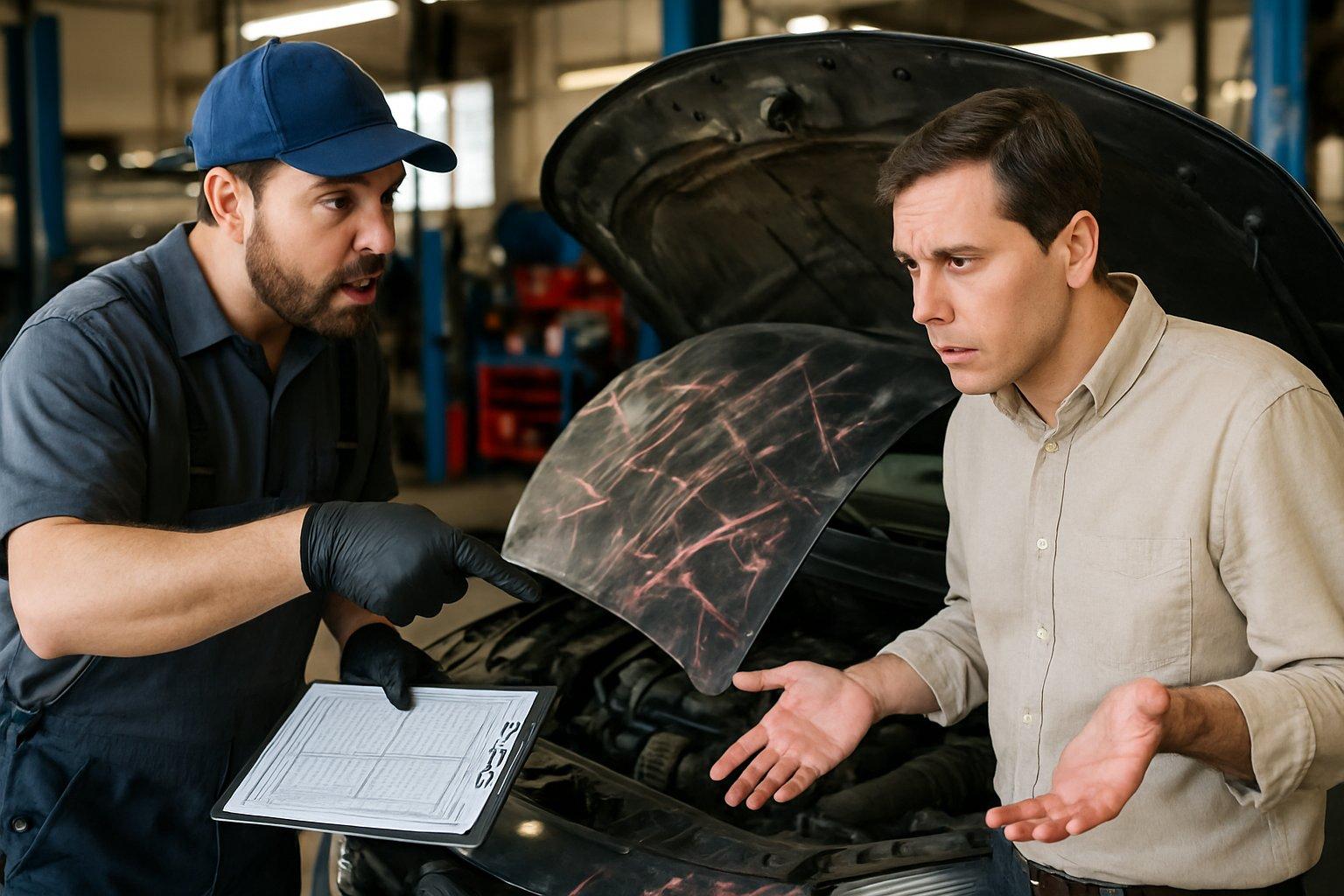
Free inspections are a classic setup for fake problems and pushy sales tactics. Mechanics might claim they’ve found urgent issues or try to get you to agree to expensive repairs right away.
False Findings During Free Check-Ups
I’ve seen shops invent problems during free inspections that weren’t there before. Sometimes they’ll even damage a part or pretend a worn component is about to fail.
Some places will show you dirty oil or filters that aren’t even from your car. Or they’ll point out “dangerous” brake wear or leaks that don’t exist.
Common fake findings include:
- Cracked belts or hoses
- Low fluids
- Worn brake pads
- Dirty filters
- Battery issues
Bring a friend who knows cars, or snap photos of your engine before the inspection. That way, you’ll notice if anything looks fishy afterward.
Always ask to see the actual problem. If the mechanic is legit, they’ll show you the damaged part and explain what’s wrong without hesitation.
Pressure Tactics to Approve Repairs
Mechanics often use fear during free inspections to get you to approve repairs on the spot. They might say your car’s unsafe or could break down any minute.
I’ve heard lines like, “Your brakes could fail at any moment,” or, “This will leave you stranded.” It’s all about making you panic so you won’t get a second opinion.
Warning signs of pressure tactics:
- Claims your car’s immediately unsafe
- Won’t let you drive away
- Demanding payment before giving you a written estimate
- Offering “today only” discounts
Don’t ever approve repairs during a free inspection. Tell them you need to think about it or want to check with someone else first.
Ask for a detailed written estimate with part numbers and labor costs. Take that to another shop before making any decisions.
Strategies to Identify and Prevent Car Repair Scams
Protecting yourself from shady mechanics takes some research, good record-keeping, and a healthy dose of skepticism. You can dodge a lot of scams by checking credentials, documenting everything, and trusting your gut if something feels off.
Researching Mechanics and Repair Shops
Always double-check a mechanic’s credentials before you hand over your keys. ASE certification means they’ve had real training and know their stuff.
Look up reviews on more than one site. The Better Business Bureau can show you if a shop racks up complaints or keeps customers happy.
Key Research Steps:
- Check for current ASE certifications in official databases
- Read up-to-date reviews on Google and Yelp
- See if they’re endorsed by manufacturers or affiliated with dealerships
- Ask people you know for mechanic recommendations
Stop by the shop before you actually need repairs. A clean, organized place with up-to-date equipment is a good sign.
Licensing rules vary by state, so make sure the shop has the right business licenses and insurance.
Requesting Written Estimates and Saving Old Parts
I always ask for a detailed written estimate before I say yes to any work. Without paperwork, mechanics can easily overcharge for both parts and labor.
Essential Estimate Components:
- Labor costs with the hourly rate
- Parts prices and actual part numbers
- Tax and fees itemized
- Total cost up front
- Estimated completion time
I ask to keep my old parts after a replacement. That way, I know the work was actually done and not just billed.
Honest mechanics will hand over the old parts and explain what went wrong. They know that being upfront builds trust.
If a repair will cost more than $500, I will get a second opinion. Hearing from more than one shop helps weed out unneeded work.
Having everything in writing protects you if there’s ever a dispute about the bill or the service provided.
Recognizing Red Flags and High-Pressure Tactics
I always watch out for mechanics who push me to approve repairs on the spot, especially when they can’t explain things clearly. High-pressure sales tactics often indicate dishonest practices.
Major Warning Signs:
- Refusing to show me the problem areas
- Claiming my car is unsafe to drive elsewhere
- Adding services without my approval
- Using complex technical jargon to confuse me
- Demanding immediate payment before work completion
There’s also the never-ending repair cycle, where every fix somehow turns into another urgent issue. Good mechanics actually prioritize repairs based on safety, not drama.
When someone knocks on my door or offers repairs out of nowhere, I get suspicious. Real shops just don’t work like that.
If a mechanic makes me uneasy or their answers don’t add up, I don’t stick around. It’s just not worth the risk.
Consumer Resources and Taking Action
If I run into a car repair scam, there are official channels to report the fraud and some legal protections that might help me get my money back. Knowing my rights and who to contact can make all the difference.
Reporting Car Repair Scams
There are a few agencies where I can file complaints about shady repair shops. The Better Business Bureau lets me check company ratings and file complaints against dishonest places.
My state’s consumer protection agency handles most car repair fraud. In California, for example, I can use the Bureau of Automotive Repair’s complaint system to report licensed shops.
The Federal Trade Commission also takes complaints about deceptive business practices. If a mechanic is using false ads or shady billing, the FTC should know about it.
Key information to include in my complaint:
- Shop name and address
- Date of service
- Description of the scam
- Amount of money lost
- Photos of receipts or estimates
- Names of employees involved
It’s important to keep all paperwork from the repair visit. That means estimates, invoices, and any messages from the shop.
Legal and Insurance Protections
I’ve got a few legal moves if a mechanic tries to rip me off. Small claims court is an option for disputes under my state’s limit, which usually lands somewhere between $5,000 and $10,000.
There’s a chance my car insurance covers certain repair scams. It’s worth digging into my policy to see if it mentions mechanical breakdown or fraud protection—sometimes those details are buried in the fine print.
Consumer protection laws actually give me some solid rights. In a lot of states, mechanics have to hand over a written estimate before touching my car.
They also need to give back the old parts if I ask. That might sound like a hassle, but it’s a right, and it’s there for a reason.
My legal protections include:
- Right to written estimates
- Right to approve additional work
- Right to receive old parts back
- Protection from bait-and-switch tactics
If things get messy, I can reach out to my state’s attorney general. Some of them have teams that focus just on auto repair fraud, and they’re not afraid to go after repeat offenders.
Credit card disputes are another way to claw back money. Under federal law, I’ve got 60 days to tell my credit card company about any bogus charges.
4 thoughts on “Car Repair Scams: Identify, Avoid, and Protect Your Investment”
Comments are closed.